This is the story of an advertisement created together with local communities, producers, and readers for 33 years.
Over time, what began as a shochu advertisement
evolved into a project expressing gratitude for Miyazaki's rich food culture.
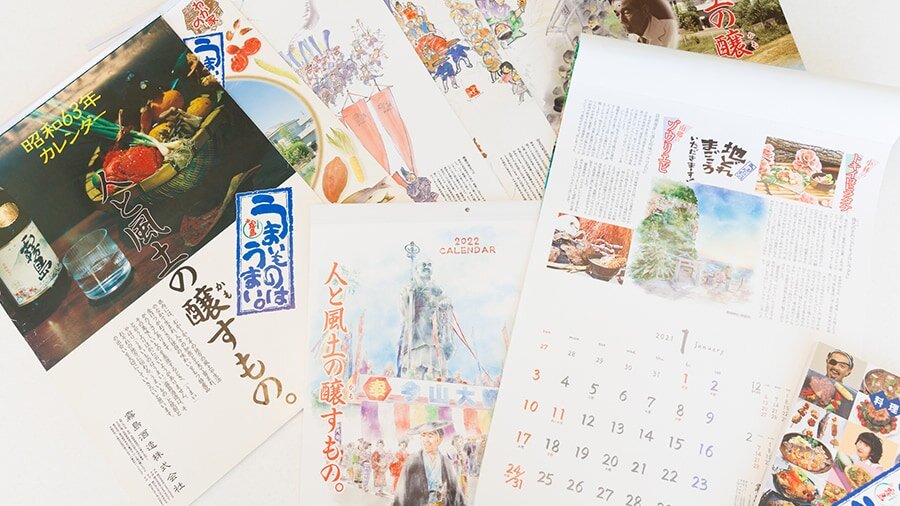
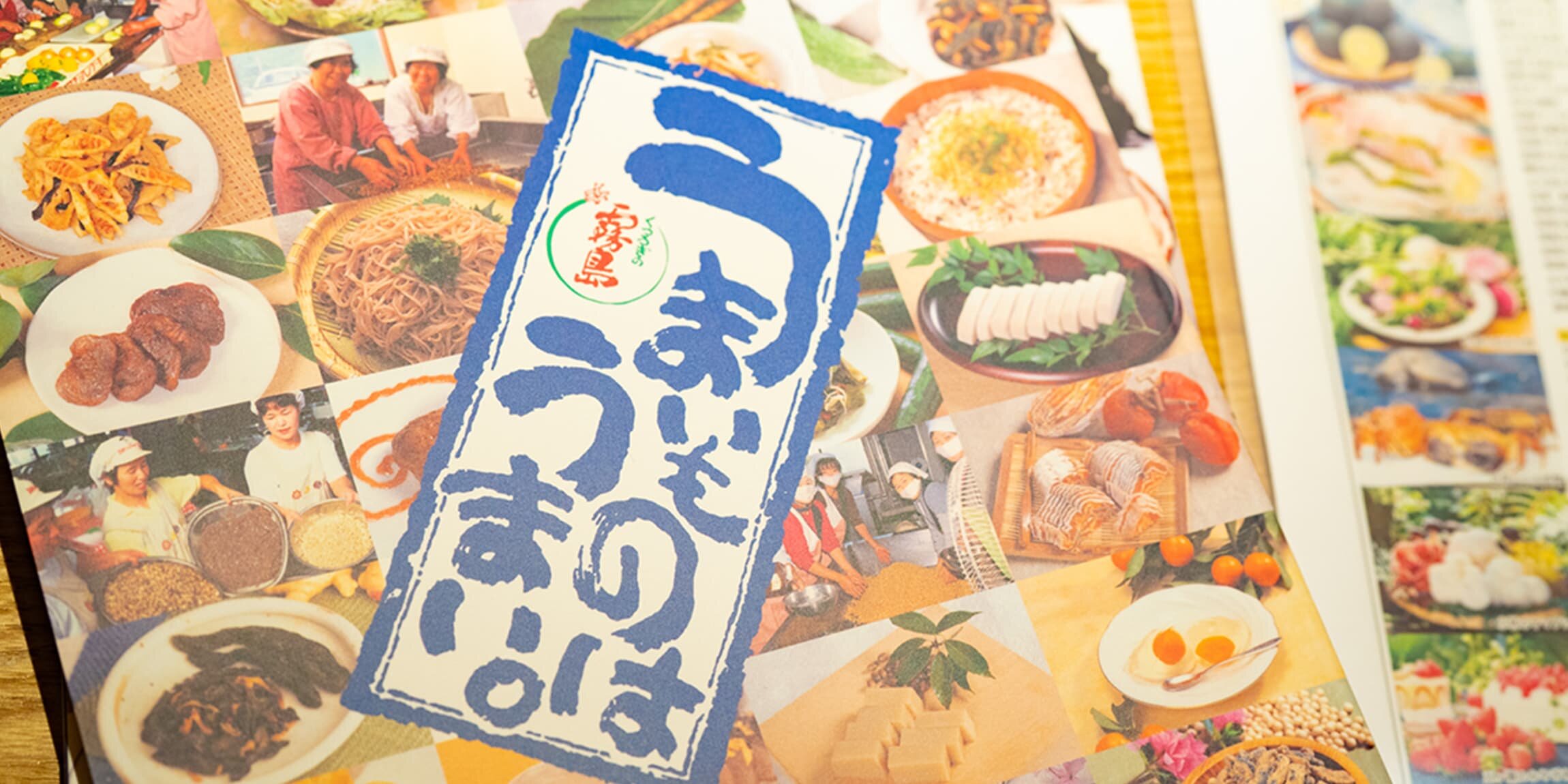
"Delicious things are delicious" is a long-running newspaper advertising campaign born from Kirishima Shuzo's cherished belief that " shochu culture is established on food culture."
Among the five series, the longest-running was "Let's enjoy locally sourced foods made with heart!" We spoke to the production staff involved in this project: photographer Michinori Takano, designer Yukihito Sugata, and Shoma Yamamoto from the Planning Office who was in charge at the time.
Twenty years after “Delicious things are delicious” first appeared—and after nearly 490 interviews had been conducted—a new series was launched: “Let's enjoy locally sourced foods made with heart!”
The series focused on seasonal ingredients from Miyazaki and the people behind them. Hoping to support the revitalization and growth of regional brands, it showcased the region's terroir, the unique qualities of its ingredients, and the dedication of its producers through sizzling* photographs.
*In food and beverage advertising, this refers to visual techniques that emphasize deliciousness and freshness to stimulate the viewer's appetite.
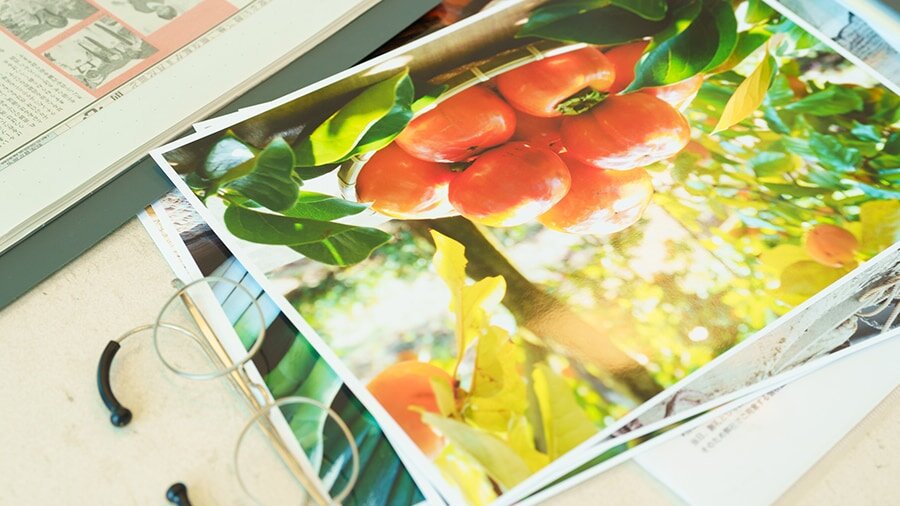
"We've been particularly conscious of the phrase 'locally sourced.' We felt we had to create something that local people would enjoy," says Takano.
The main photographs were carefully composed so that local people could instantly recognize the location, with as much attention given to the surrounding landscape as to the ingredients themselves.
"By including the surrounding landscape, we not only express the deliciousness of the ingredients, but also convey the image of them being locally sourced. We often used place names that were familiar to locals, rather than sticking to the official spellings," says Sugata.
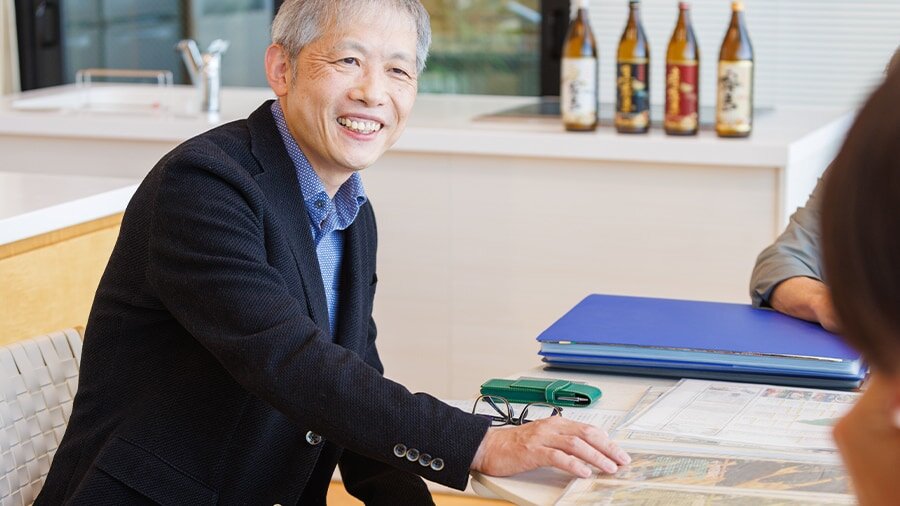
Furthermore, some things have changed as the series has continued. One of those changes was making sure the main photograph always featured the producer smiling.
This was because they received many letters with comments like, "The materials are wonderful, but the producers themselves are also fantastic."
"At first, even when we used group shots, we didn't feature people's faces prominently. But as we continued, we learned to put people at ease so they would smile, and we made sure to capture those smiles. Over time, I came to realize that the producers' faces were even more important than the ingredients themselves," Takano says.
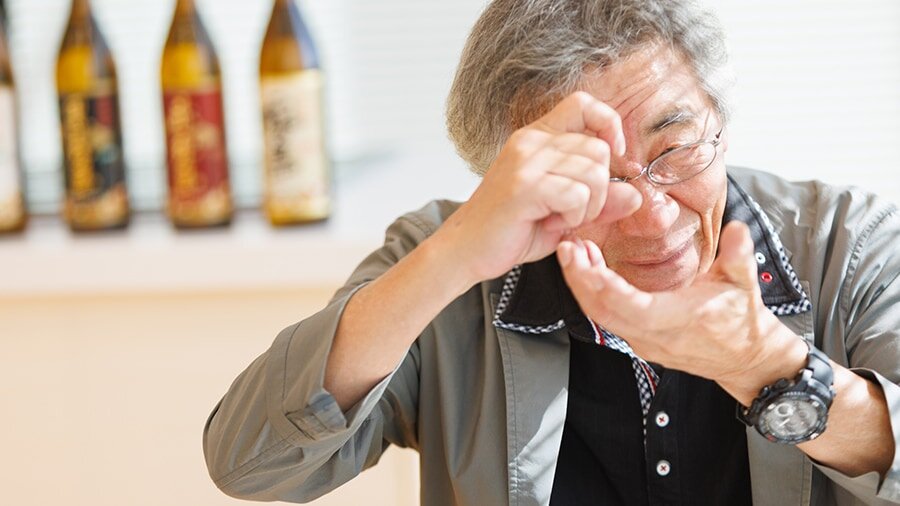
The writing and interview coordination for the project were handled by new employees at Kirishima Shuzo. They searched for seasonal ingredients and producers, arranged interviews and photo shoots themselves, wrote the articles, and saw them through to publication. The project became something of a rite of passage for new employees.
"At university, I'd only ever written reports, so my writing was naturally quite stiff at first. But once I realized that if I didn't enjoy reading it myself, no one else would either, I gradually found my own voice—and writing became much more enjoyable," Yamamoto recalls.

Takano and Sugata naturally found themselves in positions of training such new employees.
"There are probably many things they don't understand, but first I ask them, 'How do you want to shoot it? What do you want to convey?' Based on what they say, I give my opinion and we make decisions," says Sugata.
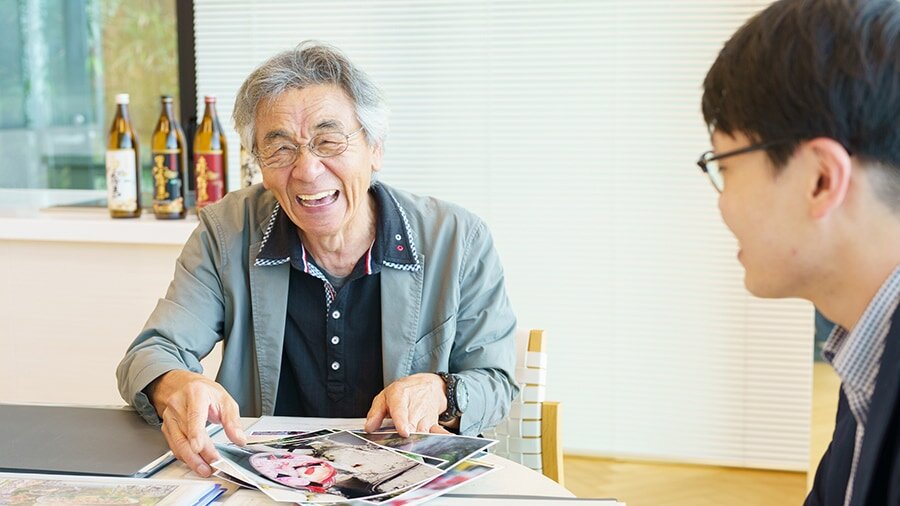
"The next step is to get them to actually try this 'delicious food.' I told them, 'You can't do your job if you don't understand what true deliciousness is,'" Takano said with a laugh.
The producers were all warm and welcoming. They would generously prepare meals, and conversations around the table were always lively and enjoyable. Every interview was filled with a warm and friendly atmosphere.
"Sometimes the sea is too rough to go fishing, or the roads are dangerous, and all sorts of difficulties happen, but this reporting is so interesting. It's like an adventure. I'm glad I was able to take the new employees to all sorts of places," Takano said with a joyful expression, conveying the close relationship he has with his staff.
The project also received a great deal of positive feedback from readers.
One installment generated nearly 400 postcards. Some featured illustrations, others were decorated with photo collages, and some contained two full pages of heartfelt comments. It is said that some of the producers featured in the series still keep the advertisements framed and proudly displayed to this day.
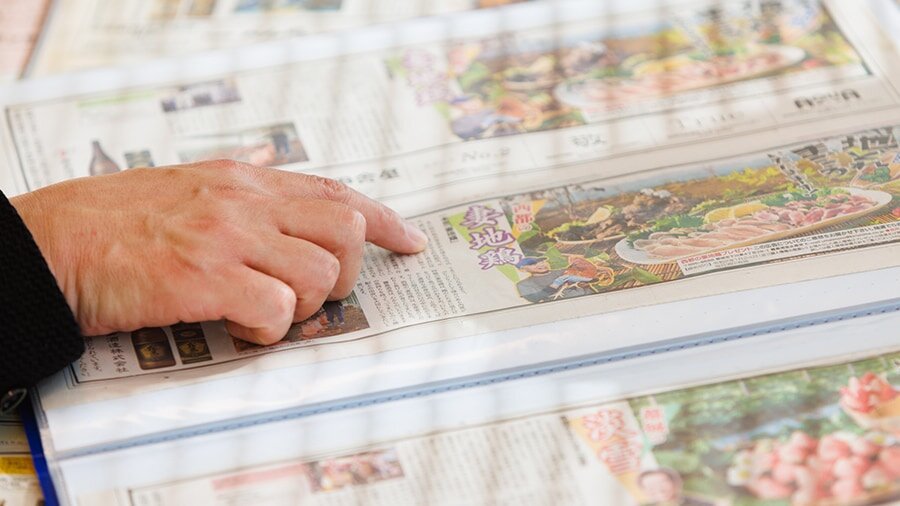
Even “Delicious things are delicious,” which had received such an enthusiastic response from readers, came to an end due to the COVID-19 pandemic.
Bringing a 33-year tradition to a close was no easy task. What would make for a fitting final installment? Would it be a conclusion that everyone who had grown attached to the series could embrace? Yamamoto and the team spent countless days wrestling with those questions.
“I’m deeply grateful not only that the series continued for 33 years, but also to the many people who made it possible. We felt the final article had to express our gratitude for the richness of Miyazaki’s food culture,” Yamamoto recalls.
The final installment featured every producer and location that had appeared in the “Let's enjoy locally sourced foods made with heart!” series.
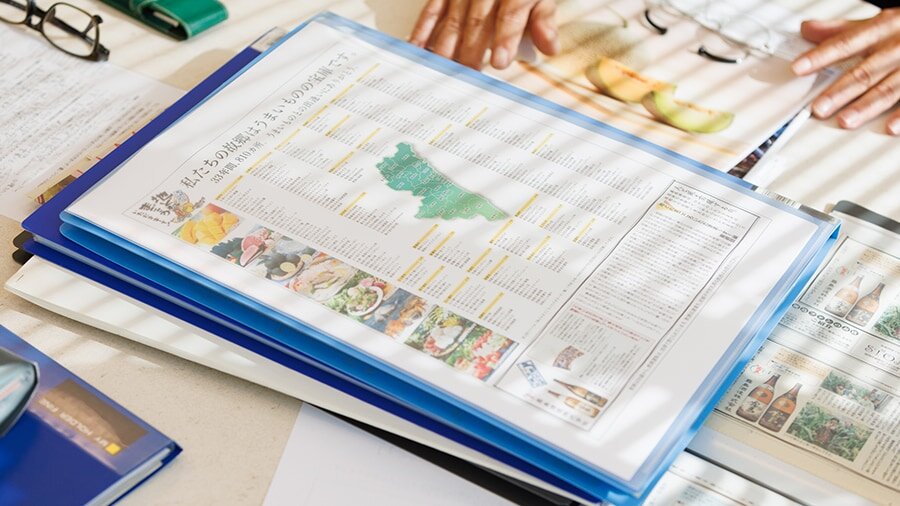
"Delicious things are delicious" ran twice a month, primarily in local newspapers. Across its five series, it spanned 33 years and 810 installments, making it a truly long-running campaign.
Although the campaign has come to an end, its meaningful mission—to share the story of food from the perspective of a shochu maker—will live on in new forms, continuing to serve local communities and everyone who loves shochu.



*Please refrain from sharing alcohol-related information with those under 20 years old.

- From hashtags
Interesting articlesSearch for