Wishing to liven up the hometown. The story of Miyakonojo City and Kirishima Shuzo's leap toward becoming number one in Japan.
Behind the birth of "meat and shochu town,
" there was a rule-breaking strategy.
"Mr. Ikeda from Tojo City, Miyagi Prefecture"
This happened when Miyakonojo Mayor Ikeda went on a business trip to Tokyo after taking office in 2012.
When he wrote "Miyakonojo City, Miyazaki Prefecture" at the reception desk of the place he was visiting, they misread it.
"I can't believe we are so unknown."
Mayor Ikeda was reportedly deeply shocked.
The mayor, keenly aware of Miyakonojo City's low profile outside the prefecture, felt that in order to work on developing the city into a tourist destination and promoting measures to combat population decline, the first step was to make “Miyakonojo City” known.
Shortly after, the mayor handed down a mission to Shuichi Nomiyama of Miyakonojo City's Hometown Tax Donation Bureau: "Use hometown tax donations as a PR tool to raise the city’s profile."
Nomiyama immediately gathered a wide variety of local specialties that the city is proud of and went to the mayor's office. However, after looking at the proposal materials, the mayor gave him a harsh response.
"I was told, 'This won't work for PR, and it won't raise our profile.' For example, just like natto is associated with Mito and tonkotsu ramen with Hakata, if there isn't something that leaves an impression, like 'When you think of XX, you think of Miyakonojo,' people won't remember it. That's the kind of specialized PR strategy the mayor wanted."
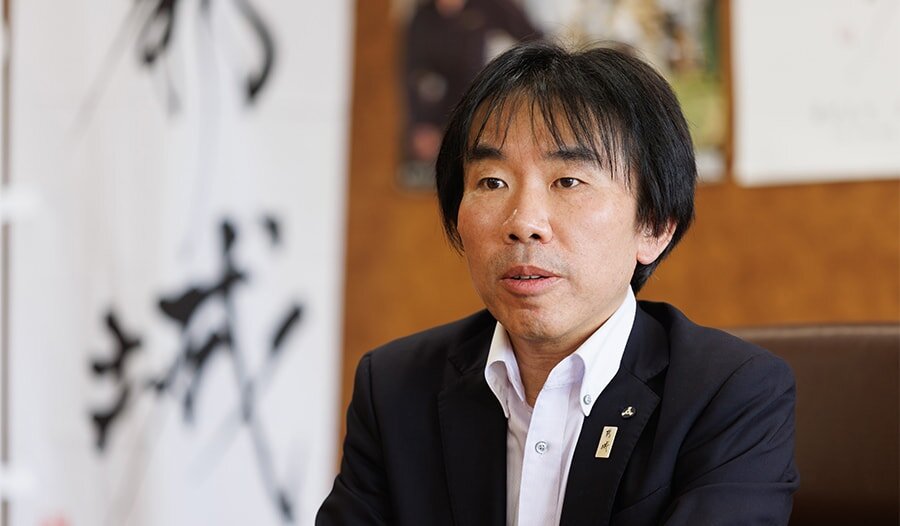
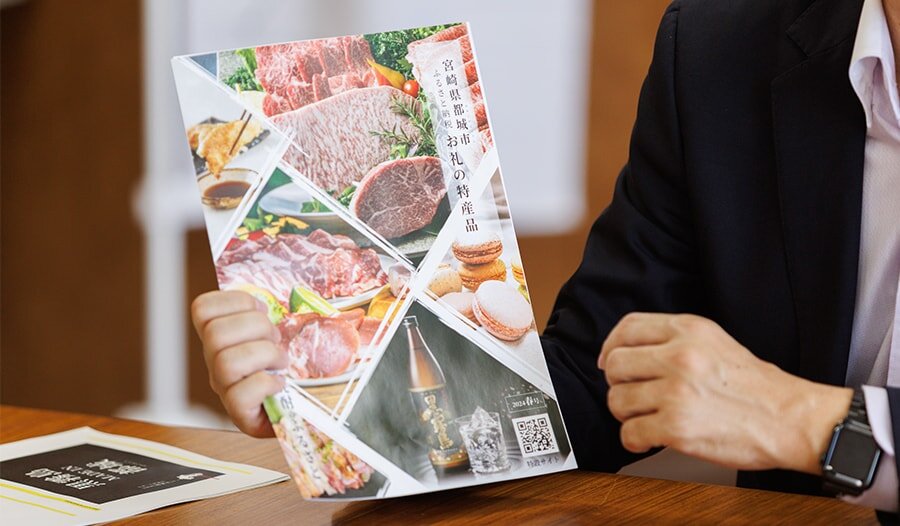
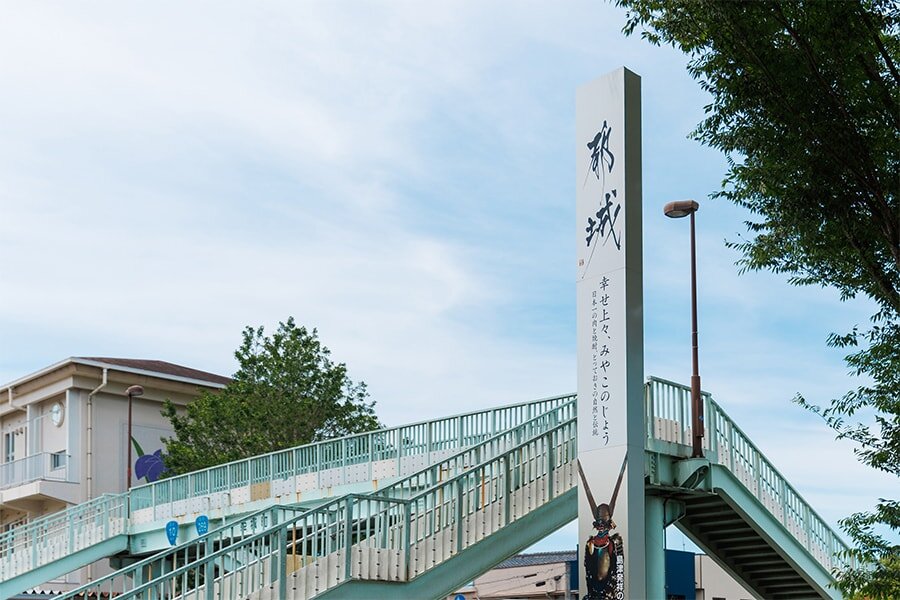
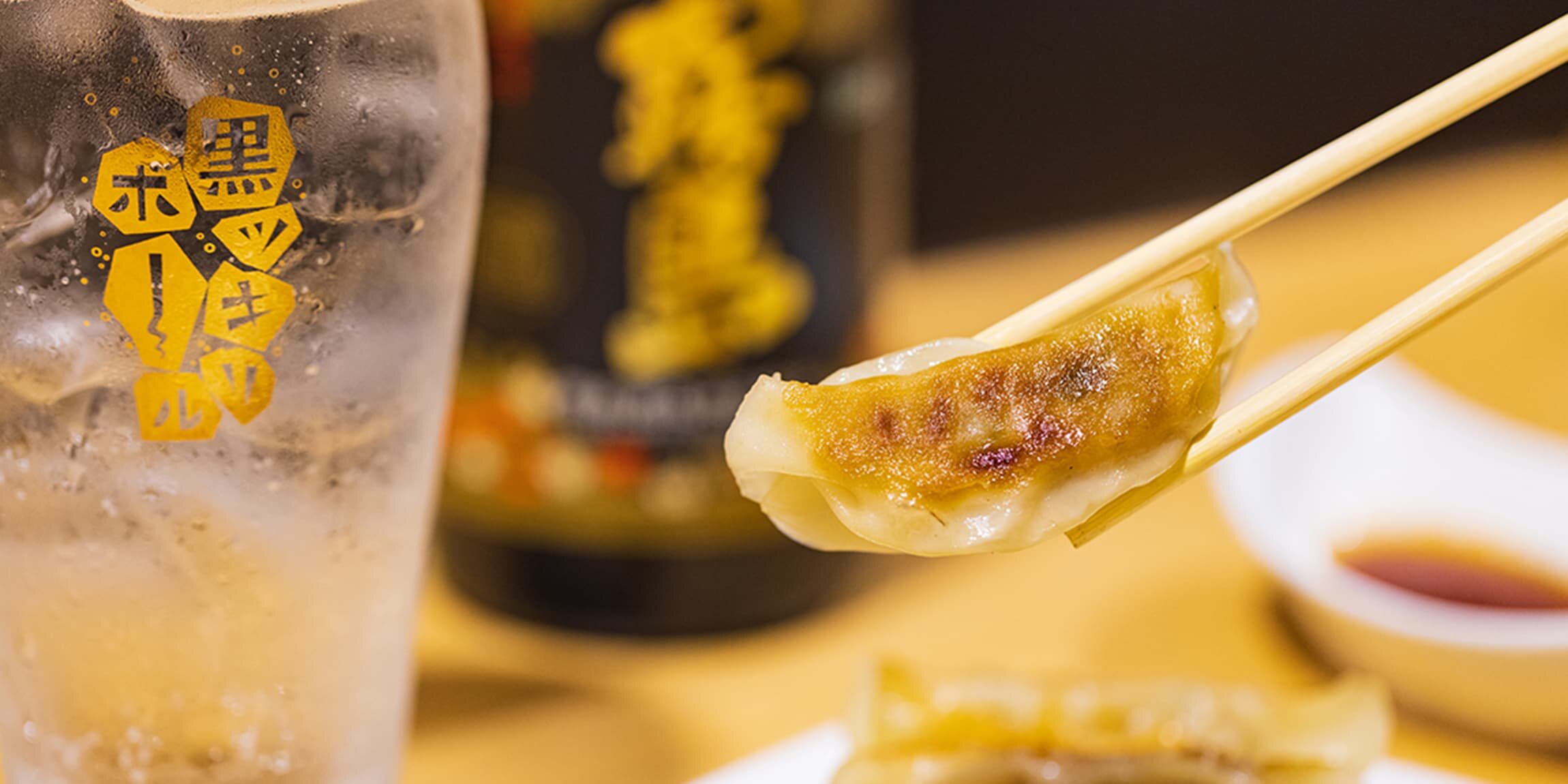
The mayor therefore came up with a strategy to promote meat and shochu. Of the many local specialties, he decided to highlight two: meat, which has the highest production value in Japan, and shochu which has the highest sales volume in Japan.
"By promoting only one particular local product, it was inevitable that other stakeholders would see it as preferential treatment. At first, I thought it was unreasonable," Nomiyama recalls.
This choice could be seen as taboo for local governments that require fairness and equality, and when the promotion began, there were complaints from producers and manufacturers of other specialty products, as well as some citizens.
In response to such voices, Nomiyama bowed his head and said, "We will definitely produce results and eventually bring customers to Miyakonojo. So please just give us a little bit of time." He then began to undertake a specialized PR initiative that was unprecedented for a local government.
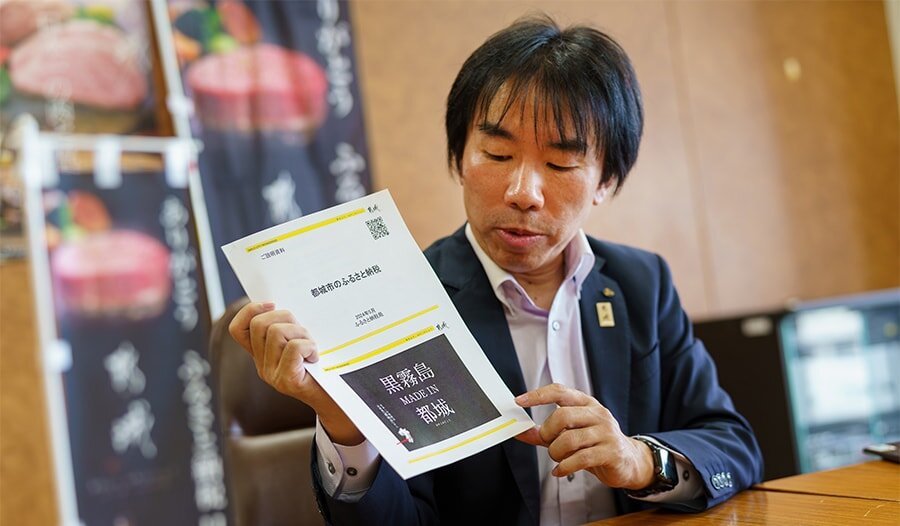
Then, the spotlight fell on Kirishima Shuzo.
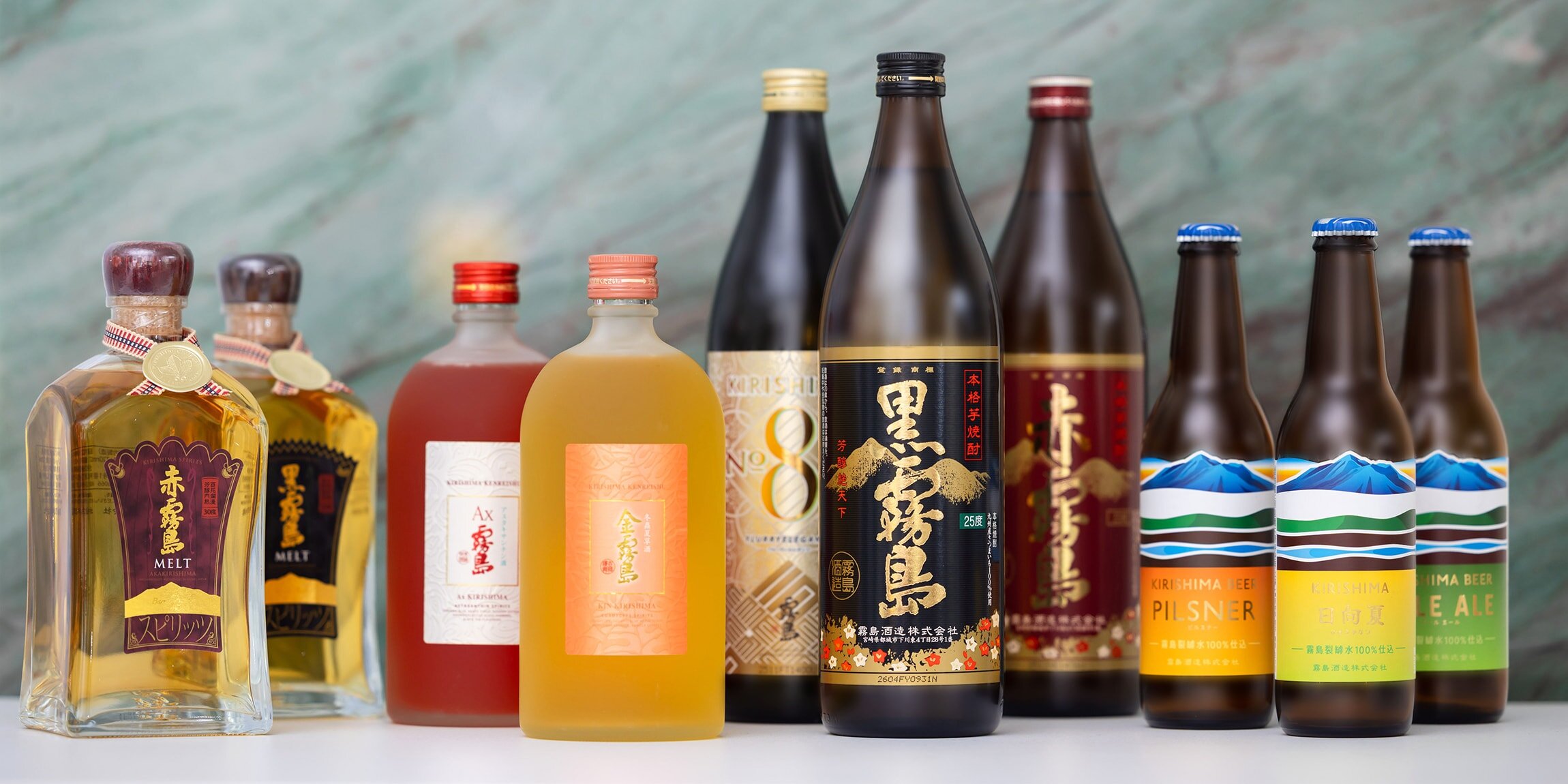
Kirishima Shuzo was the number one shochu manufacturer in Japan*Japan*in terms of sales at the time of 2014. It was also well known throughout Japan.
"There are many people who know Kuro Kirishima but don't know Miyakonojo, but very few the other way around. Normally, this could invite criticism, but in order to fulfill our goal of raising name recognition, there is no way not to work with Kirishima Shuzo and take advantage of Kuro Kirishima's name recognition and popularity," said the city, which launched a strategy of public-private partnership.
As Kirishima Shuzo has been based in Miyakonojo since its establishment and has crafted shochu nurtured by the people and climate of Miyakonojo, there was no reason to decline Miyakonojo City's enthusiastic offer, and the company decided to fully cooperate in the promotional campaign focused on "meat and shochu".
*Researched by Teikoku Databank
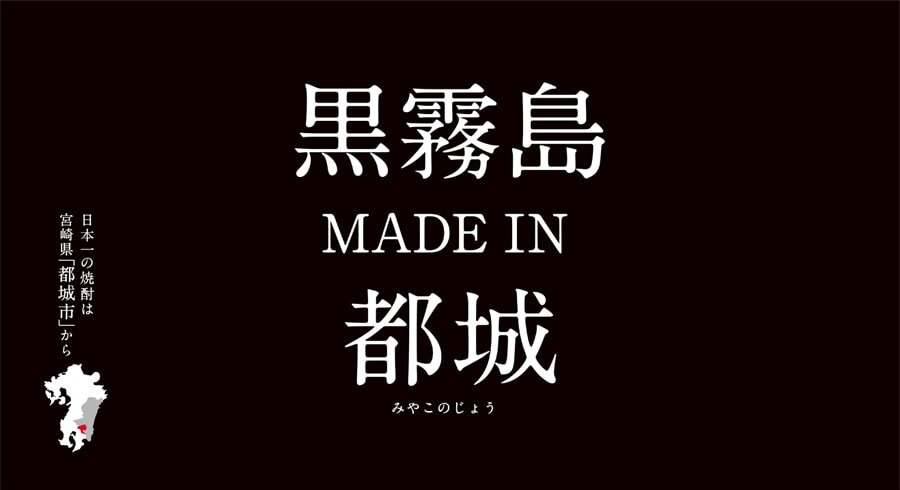
In 2014, when the hometown tax donation program was revamped, promotions were launched targeting mainly urban areas with high population concentrations. Signs reading "Kuro Kirishima MADE IN Miyakonojo City" were put up in train stations and around the city in Tokyo, making the most of the power of Kirishima Shuzo, which was well-known in the Kanto region.
Kirishima Shuzo employees also promoted Miyakonojo as a "city of meat and shochu" in various ways, such as distributing Miyakonojo posters to alcohol retailers with which they do business and serving Kirishima shochu at promotional events hosted by the city.
The first day of accepting hometown tax donations arrived after announcements were made in various places.
"When the stock we had prepared ran out in an instant, I was more surprised than happy, and it didn't sink in right away," Nomiyama recalls the shock he felt at the time.
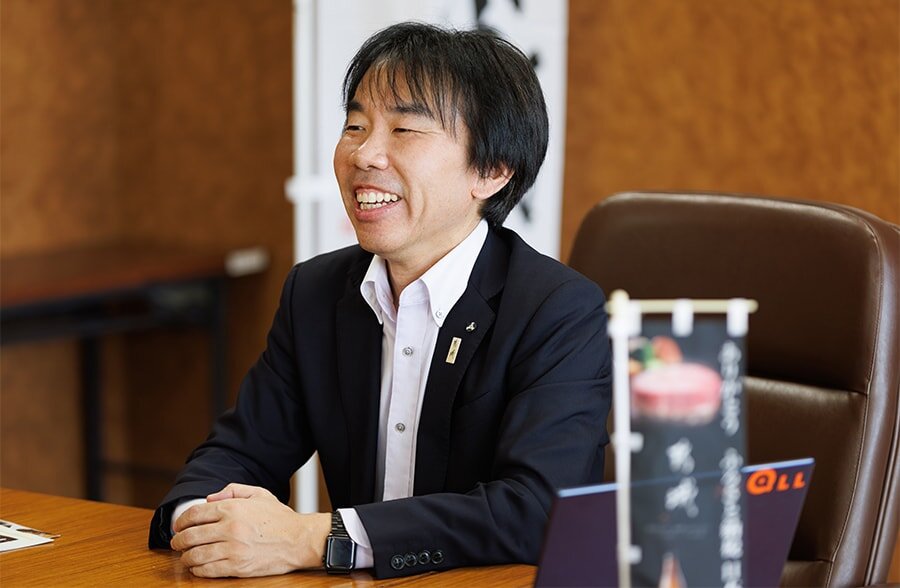
Even after that, the product continued to sell out every time it was restocked, and the phone kept ringing with inquiries—it was a daily struggle of happy exhaustion.
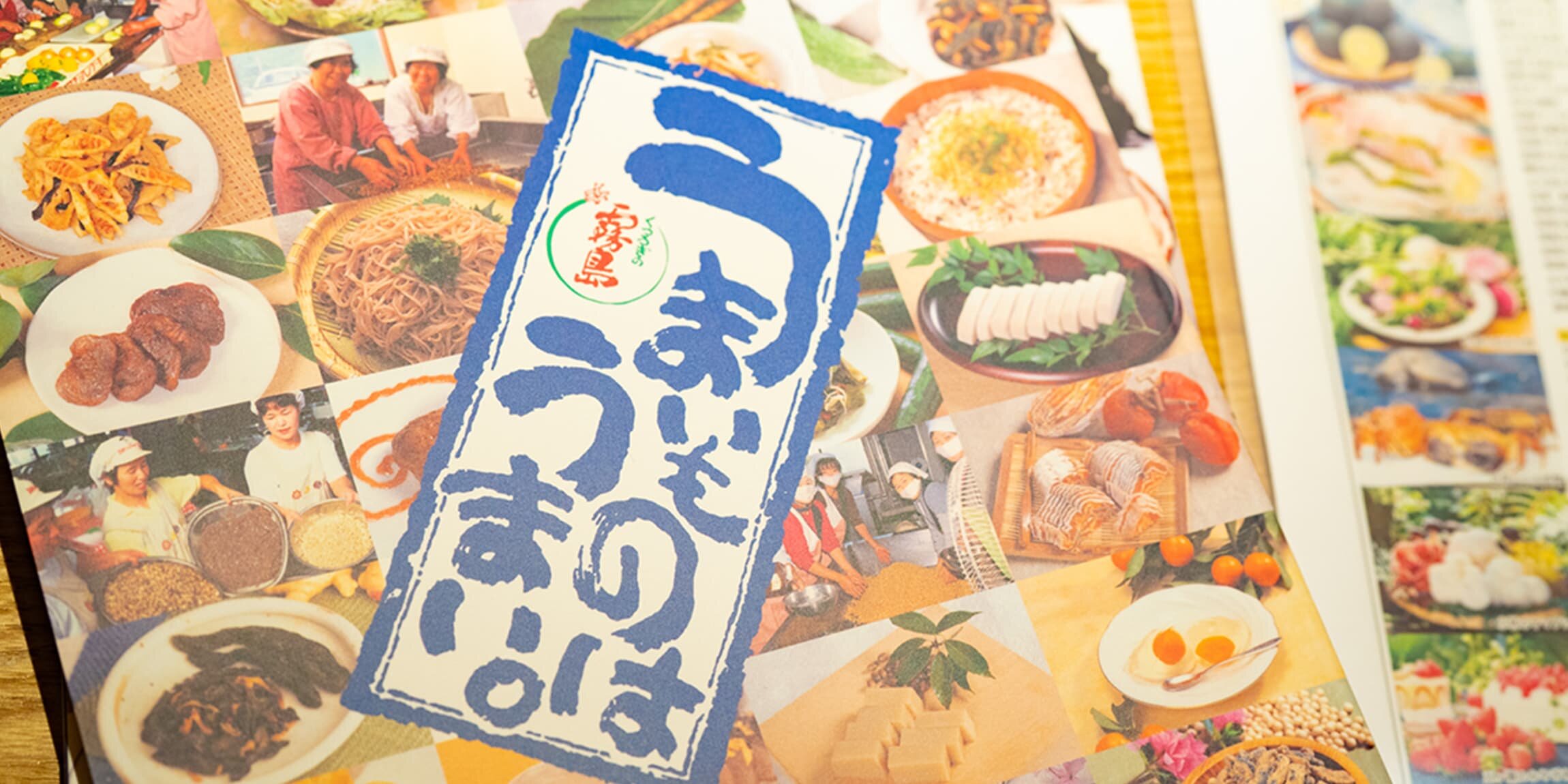
From the second year onwards, while continuing to emphasize "meat and shochu", the lineup was expanded to include other local specialties as return gifts. As Miyakonojo City itself became better known, local specialties other than meat and shochu also began to attract attention, and the complaints from producers and manufacturers gradually began to turn into expressions of gratitude.
In November 2015, the two companies signed a comprehensive partnership agreement to further strengthen their cooperative relationship in order to further revitalize the local economy in Miyakonojo City and improve public services.
As a result, the specialized PR strategy was a great success, with Miyakonojo City receiving the most hometown tax donations in Japan for the fifth time in two years, and ranking in the top 10 for the tenth year in a row*.*It continues to be the city of choice for many donors to this day.
*As of October 2024
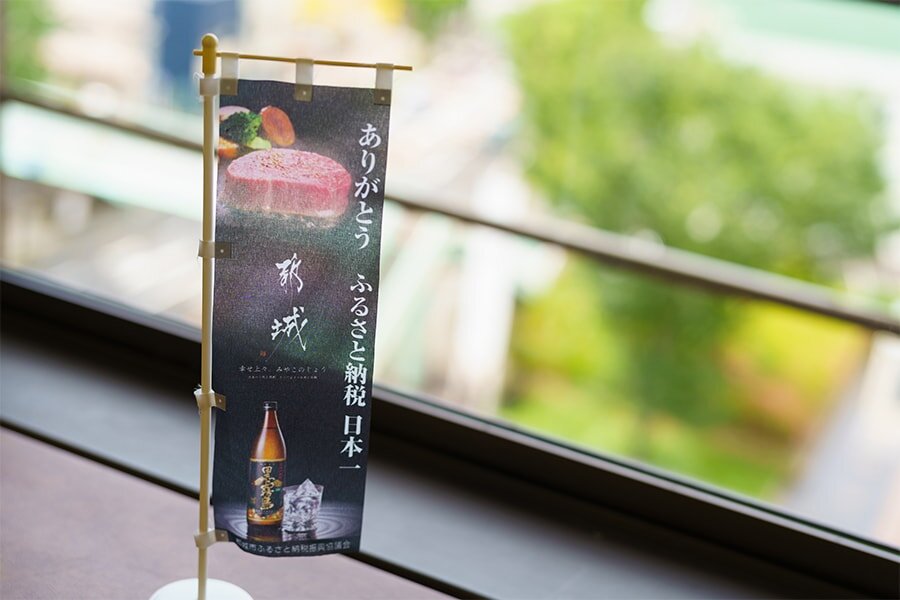
"In order to establish this image, I think it's important to continue to promote it so much that people start to get sick of it. I would like to continue working hand in hand with Kirishima Shuzo and work together to liven up Miyakonojo City."
Miyakonojo City plans to continue its promotional activities focusing on "meat and shochu," and Kirishima Shuzo remains committed to continuing to do what it can for the local community.
Sweet potatoes, water, and people. Delicious shochu cannot be made without the local people and climate. Kirishima Shuzo will continue to walk alongside Miyakonojo as a "company rooted in the local community and growing together with the local community."



*Please refrain from sharing alcohol-related information with those under 20 years old.

- From hashtags
Interesting articlesSearch for