Barley and Rice Shochu After 20 Years: The Flavor Worth Creating Now [Part 1]
Barley shochu and rice shochu are in fierce competition.
What defines the unique identity of Kirishima Shuzo in the market?
Kirishima Shuzo is known for its sweet potato shochu, but did you know that it also has a long history of barley shochu and rice shochu?
The story goes back to the 1980s.
The second shochu boom had arrived, and shochu consumption grew dramatically. Kirishima Shuzo's sales were gradually increasing in Fukuoka as well as in its hometown of Miyazaki, but they were not yet big enough to spread nationwide.
The main players in this second shochu boom were grain-based shochu made from ingredients such as barley and buckwheat.
Even at the time, Kirishima Shuzo's flagship product was sweet potato shochu. However, it could only be produced for around 100 days from autumn to winter, when the sweet potatoes used as its raw material were harvested. This was a challenge for the business, as the company had no choice but to limit the employment period of the staff required for production.
These factors triggered the company's full-scale entry into grain-based shochu.
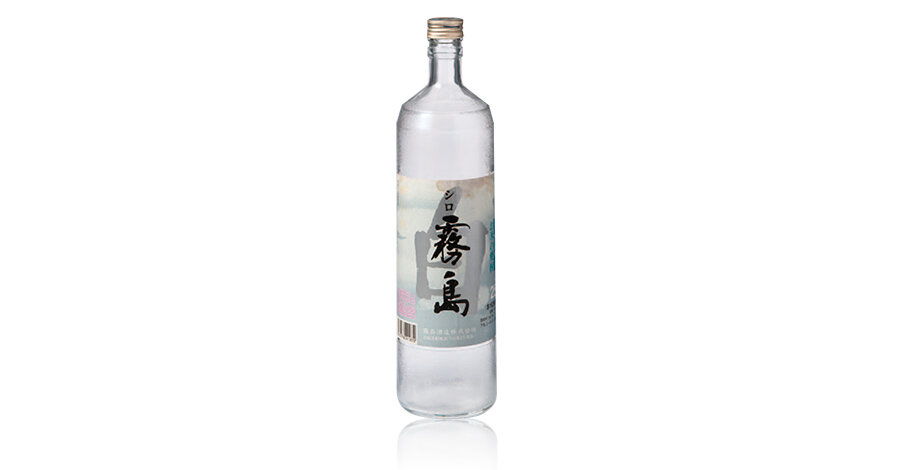
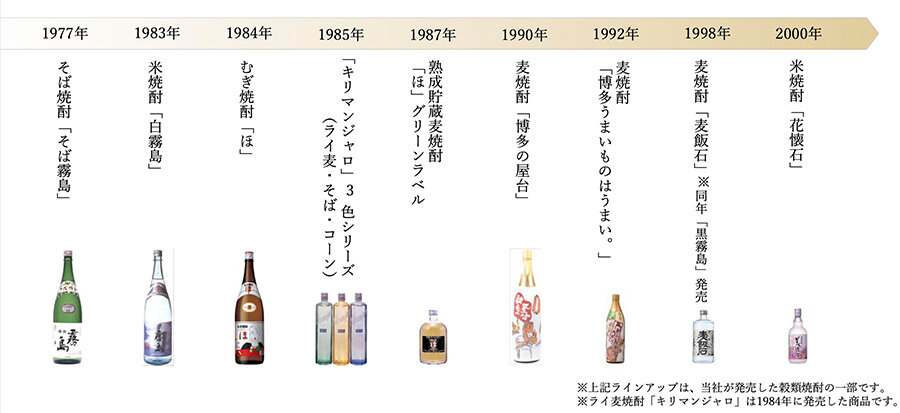
The company anticipated that rice shochu would become the next hit after barley shochu and buckwheat shochu, and launched its authentic rice shochu, "Shiro Kirishima**," in 1983.
*This is different from the sweet potato honkaku shochu "Shiro Kirishima" released in 2015.
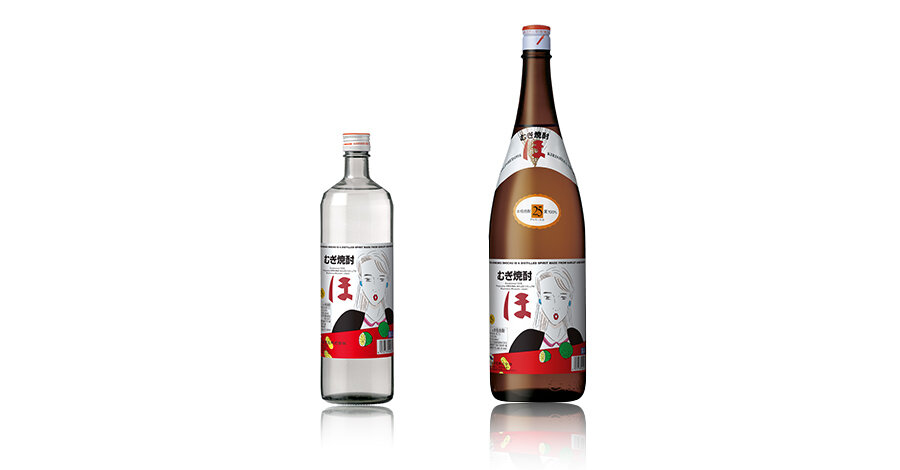
Kirishima Shuzo's first barley shochu was "Mugi Shochu 'Ho,'" which was released in 1984. It was made using barley from Tohoku, and the company focused on promoting it in Hiroshima in particular.
In 1987, the company launched "'Ho' Green Label," an aged barley shochu made by storing "Mugi Shochu 'Ho'" in white oak barrels to add a woody aroma.
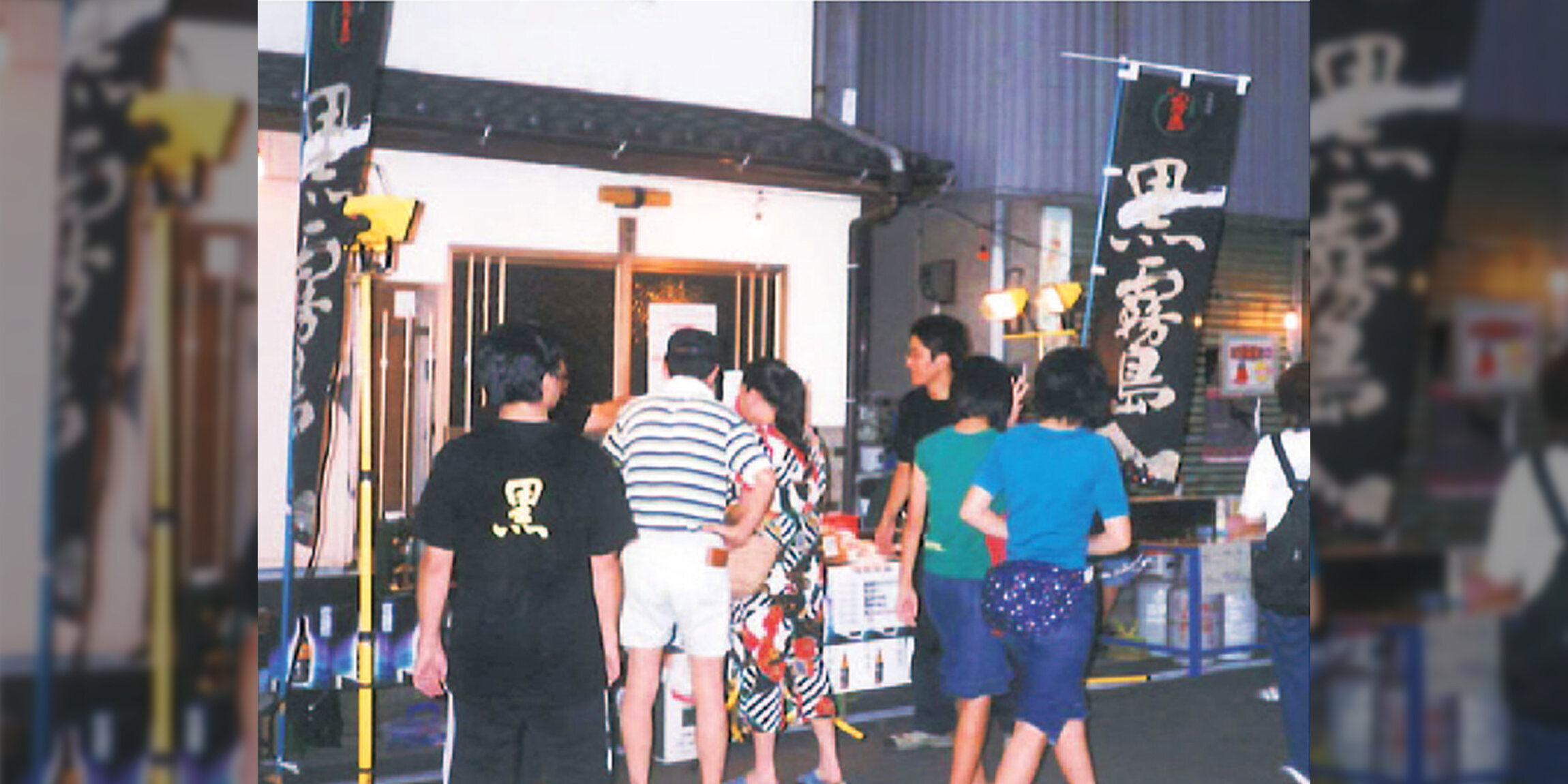
Furthermore, in 1990, it launched "Hakata no Yatai," a barley shochu exclusively sold at food stalls, a specialty of Hakata, and in 1992 it launched "Hakata Umaimono wa Umai," a barley shochu.
In 1998, the same year that "Kuro Kirishima" was released, the barley shochu "Baku Hanseki" was also released, followed in 2000 by the rice shochu "Hana Kaiseki."
However, after the 2000s, when "Kuro Kirishima" became popular, the company began to focus on developing sweet potato shochu in order to meet customer needs.
Twenty years pass.
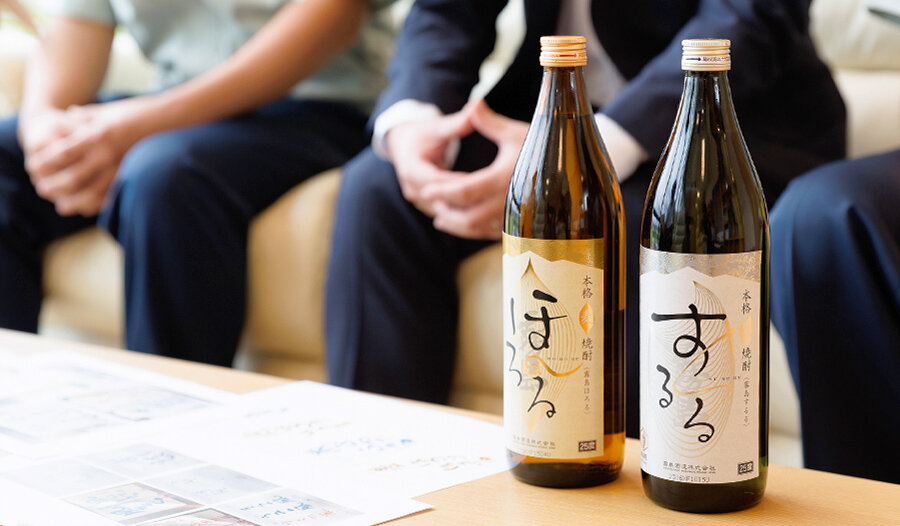
In September 2023, Kirishima Shuzo launches its first barley shochu and rice shochu in a long time.
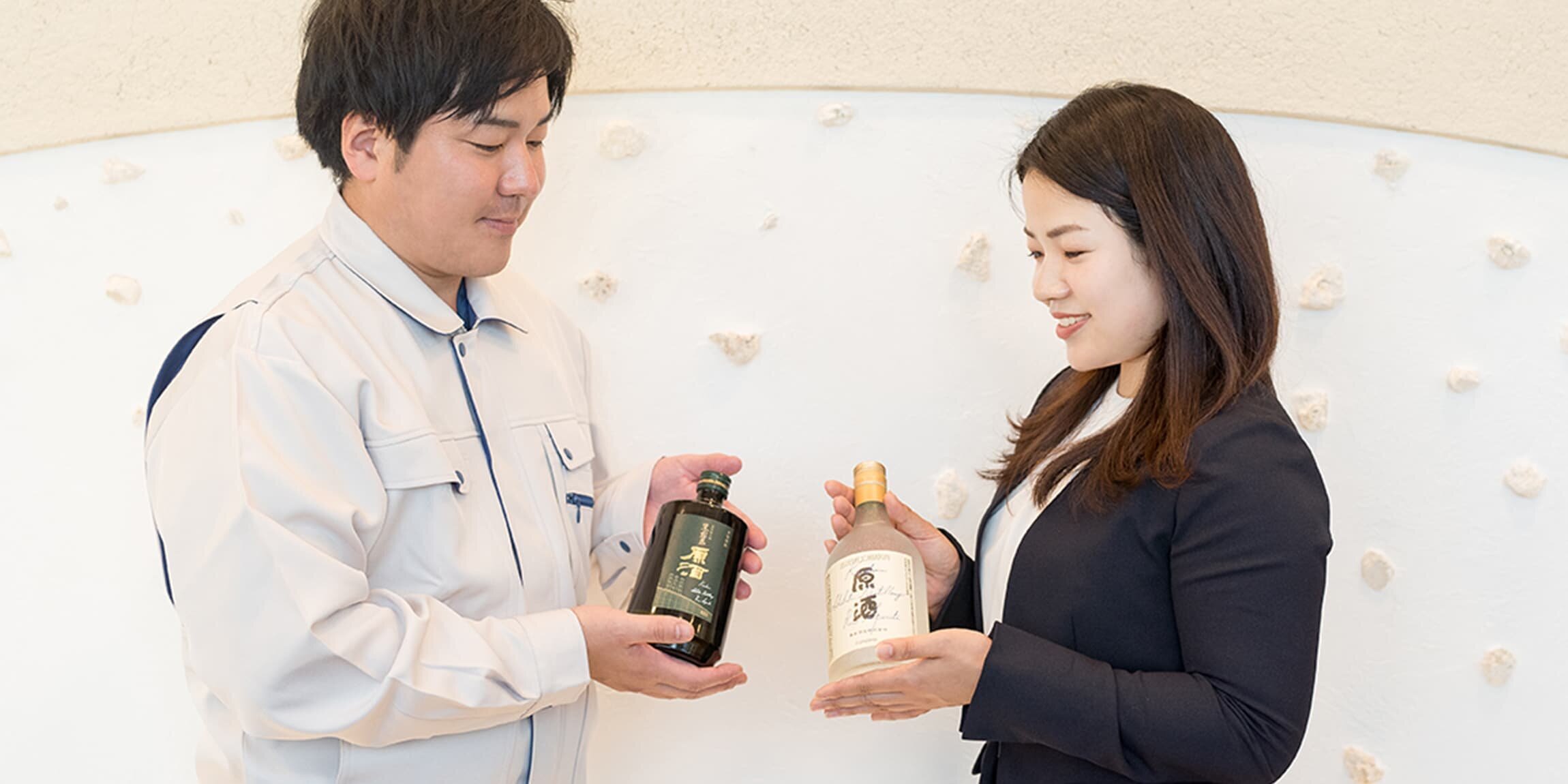
They are "Honkaku Mugi Shochu Kirishima Hororu" and "Honkaku Kome Shochu Kirishima Sururu."
We spoke to Tatsuro Oiwa of the Planning Department, leader of the development team, about Kirishima Shuzo's motivation for taking on the challenge of developing barley shochu and rice shochu at this time.

"The initiative came from considering a renewal of barley shochu 'Ho,' which had been in the market for nearly 40 years," says Oiwa.
"When I re-analyzed the taste of the barley shochu 'Ho,' I felt that now, having gained a lot of experience and experimented with various methods of brewing sweet potato shochu, I could create something good in a different way. I began to feel that I wanted to take on the challenge of making barley shochu and rice shochu that could stand shoulder to shoulder with sweet potato shochu such as 'Kuro Kirishima.'"
The company has a vast amount of Research data, technology, and experience that were cultivated through the process of developing many products during their pursuit of sweet potato shochu.
Oiwa, who originally belonged to Research and Development Department, found the challenge all the more appealing.
However, to the team who had many unknowns about barley shochu and rice shochu, that was a challenge.
"We have many sweet potato shochu professionals in our company, but at the beginning of development, there were fewer employees with deep knowledge of barley shochu or rice shochu, so we were always worried about whether we could create shochu we could confidently send out to the world."
They are all shochu, but the market situation is completely different from that of sweet potato shochu. The development team noticed something while tasting various grain shochu.
"We noticed that many barley shochu and rice shochu products emphasize drinkability and subdue the characteristics of the ingredients. In our sweet potato shochu production, we have always considered the unique flavor of the ingredients to be an important element. So if we applied that concept and technology, we could create barley shochu and rice shochu that is unique to Kirishima Shuzo, something that only Kirishima Shuzo can make."
A natural taste that is smooth, and at the same time, brings out the unique flavors of the ingredients.
With the goal now clearly defined, the development of a shochu style that makes the most of what is unique to Kirishima Shuzo began.
>Continue to "Barley and Rice Shochu After 20 Years: The Flavor Worth Creating Now [Part 2]"



*Please refrain from sharing alcohol-related information with those under 20 years old.


- ハッシュタグから
Interesting articlesSearch for