Why have the people of Kyushu continued to love shochu?
Shochu is created by people and the local climate.
The unique shochu culture unravels from Kyushu's climate and geography.
Kyushu is a well-known shochu producing region.
In the shochu industry, most of the top-selling distilleries are based in Kyushu, and each prefecture has developed its own unique shochu culture.
First of all, why did shochu culture take root in Kyushu? What are the characteristics of shochu culture in each region? And what kind of future lies ahead?
We spoke with Izumi Haraguchi, a historian and professor of shochu studies at Kagoshima University and Shigakukan University.

"The unique climate and geography is one of the reasons why shochu culture has spread and taken root so deeply in Kyushu."
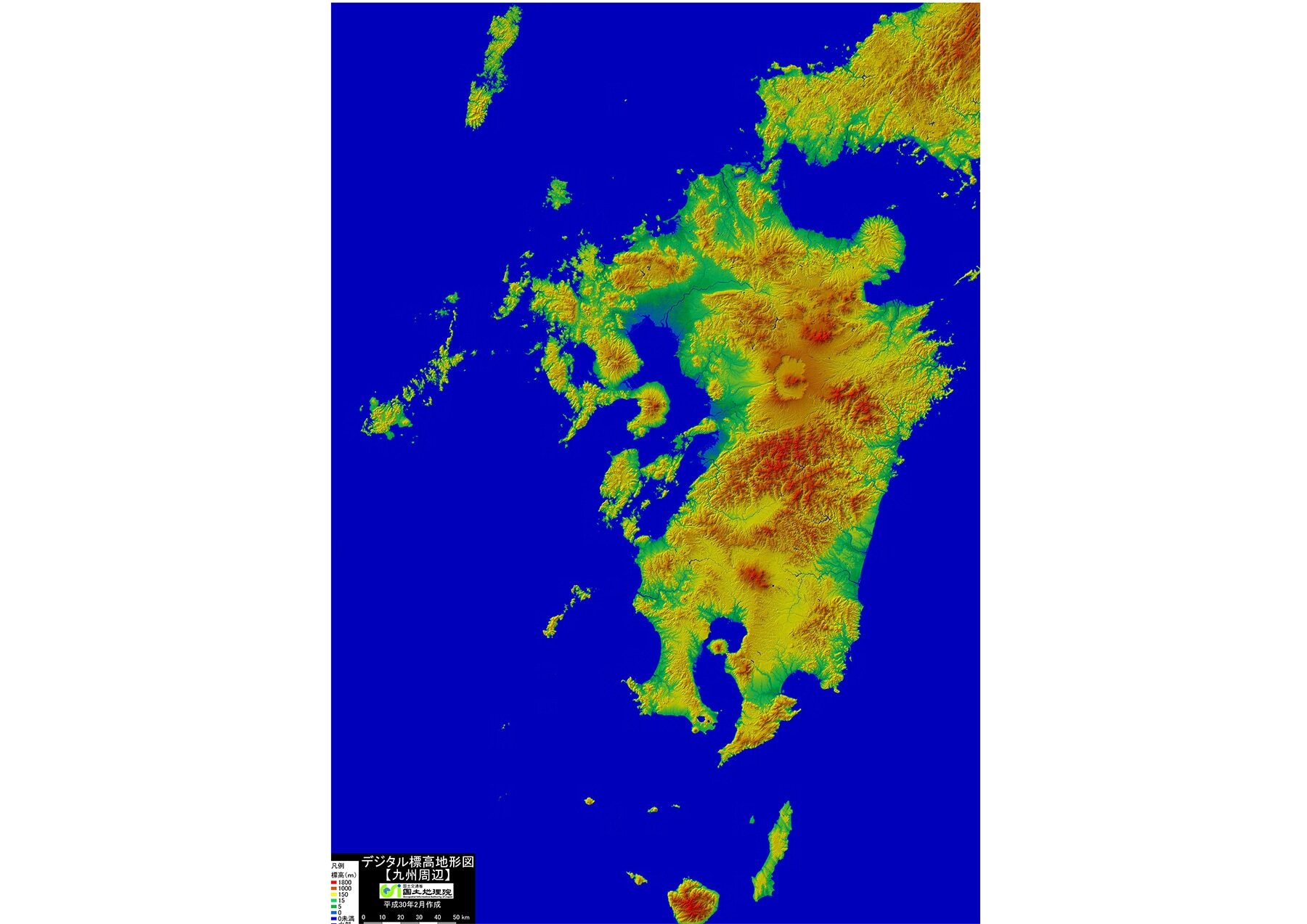
Every prefecture in Kyushu is blessed with abundant nature. From the central to the south, the Kyushu Mountains stretch across the island, dividing it into two parts. The Kuroshio Current flows from the southern part of Kagoshima Prefecture to the eastern offshore area of the Hyuga-Nada Sea. The Kuroshio Current brings abundant rain to the southeast of the Kyushu Mountains, fostering evergreen forests.
The wide variety of agricultural products produced by this climate and natural environment has shaped the food culture of each region, which has also influenced the ingredients used in shochu.
In southern Kyushu, sweet potato shochu is the norm, and Haraguchi says that the people of the Satsuma domain decided to make shochu from sweet potatoes as a last resort.
"Sweet potato shochu production began in the Satsuma domain in the early 18th century. At the time, rice was as valuable as currency, so they used sweet potatoes instead of rice."
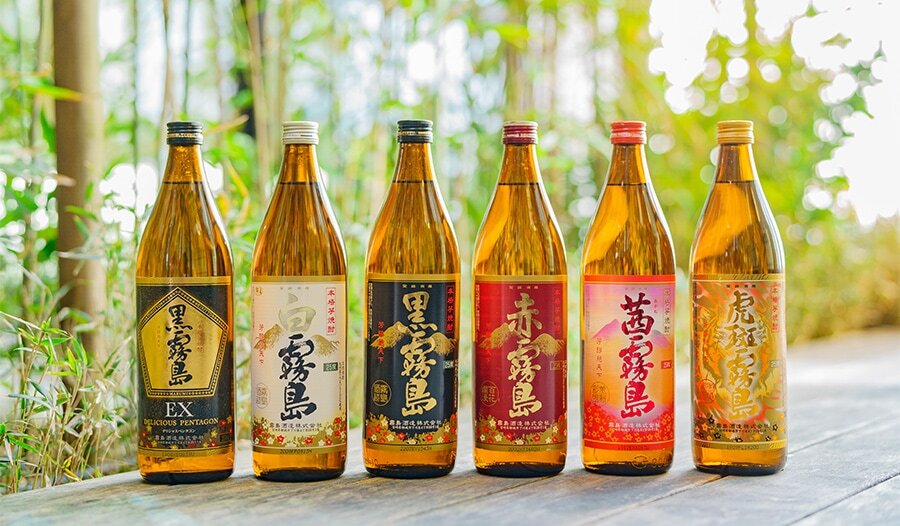
Southern Kyushu is a well-drained Shirasu plateau formed from volcanic ash soil. While not suitable for rice cultivation, it is well suited to growing sweet potatoes, which are harvested in abundance. As a result, sweet potato shochu was produced and took root in southern Kyushu. Miyakonojo City, home to Kirishima Shuzo's factories, is located at the foot of the Kirishima Mountains on the border between Miyazaki and Kagoshima prefectures, and is a region where sweet potato production is thriving.
The prevalence of barley shochu in northern Kyushu stems from similar reasons. Iki was originally an area well suited to agriculture, and both rice and barley were produced in abundance. However, because rice had to be paid as tax, barley became the staple food of the common people. As a result, barley began to be used as an ingredient in shochu.
Miyazaki Prefecture, which has the most varied topography in Kyushu, from mountainous to coastal areas, also has a wide variety of shochu. Sweet potatoes are grown in the southern mountainous areas such as Miyakonojo City, rice is grown in Miyazaki City located in the southern plains, and buckwheat and corn are grown in the northern mountainous areas such as Takachiho Town and Shiiba Village. As a result, shochu made from a variety of ingredients is popular within this one prefecture.
"Nothing is as immersed in the local climate and culture as alcohol. That's why it's so fun."
Haraguchi spoke with a smile.

The hot and humid climate, which is suitable for the growth of microorganisms, is also one of the factors that has allowed shochu culture to take root.
Kyushu has long produced a variety of fermented foods, including soy sauce, miso, and rice vinegar, and these have taken root as part of the region's food culture. Shochu production likely took root on the back of this koji culture.
Furthermore, Haraguchi says that the warm climate has influenced shochu culture in unexpected ways.
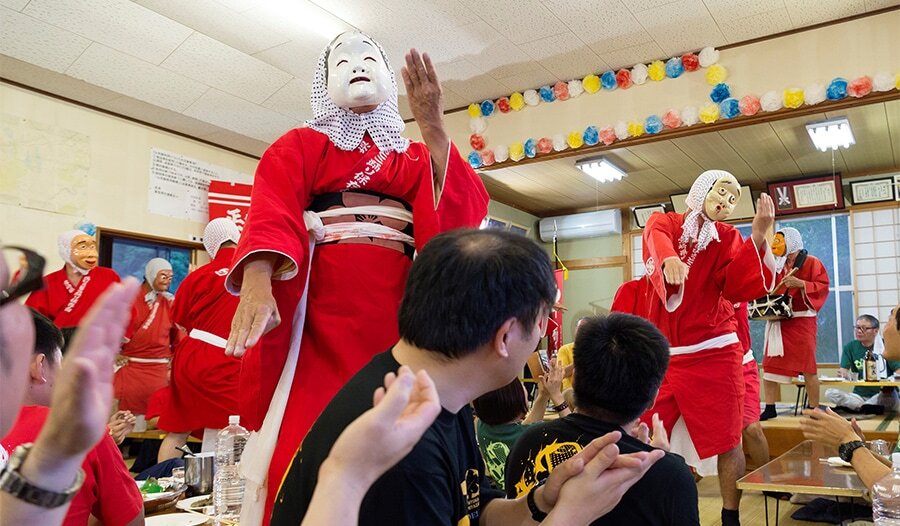
"When it's warm, you can hold parties outside. That's why Kyushu has a thriving performing arts culture, including singing and dancing, and alcohol is always present in that culture."
With the distinctive climate and geography that has shaped the culture, shochu has become an essential part of people's lives.
What will Kirishima Shuzo be required to do to further spread shochu culture?
"I think this is something that is being actively pursued now, but I think it's important to continue challenging ourselves with new flavors and aromas, and to cultivate consumers who can appreciate such subtle flavors."
“Nurturing consumers.”
He says that this is not just about selling shochu, but also about conveying the appeal of the product, including the culture surrounding shochu.
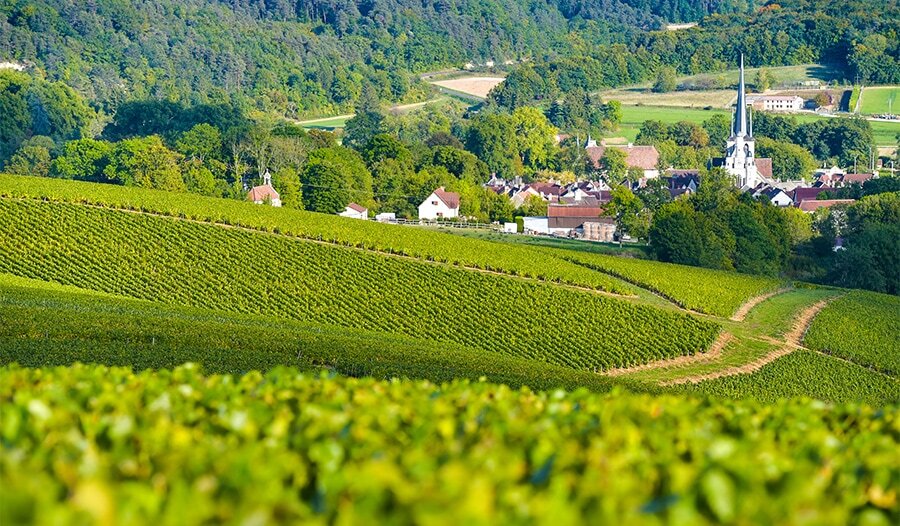
For example, champagne, which is loved all over the world, has something in common with shochu: it is also made using traditional methods rooted in the climate, geography, and culture of the region.
"Only sparkling wine made in the Champagne region of France can be called Champagne. Its rarity and unique culture are appreciated around the world, and the region where it is produced, 'Champagne Hillsides, Houses and Cellars', is registered as a UNESCO World Heritage Site. From the perspective of unique culture, shochu has an equally unique character. I hope that we can continue to stubbornly preserve the characteristics of each region, in a positive way."
In December 2024, the techniques and knowledge of sake brewing using koji mold, which has been nurtured in Japan's favorable climate and geography, was registered as a UNESCO Intangible Cultural Heritage as "traditional sake brewing."
Of course, shochu is also one of the alcoholic beverages that is produced based on the local climate, culture, and ties to the region.
What must be done to spread shochu culture around the world and pass it on to the future as something beloved?
Kirishima Shuzo continues its challenge with new goals in mind.



*Please refrain from sharing alcohol-related information with those under 20 years old.

- From hashtags
Interesting articlesSearch for