Making safety awareness into personal ownership. This facility creates the value of safety.
Taking on the ever-evolving challenge of workplace safety:
What are the initiatives of the Occupational Safety Promotion Office?
In a corner of Kirishima Shuzo's Headquarters, there's a place that's neither shochu manufacturing plant nor a laboratory for analysis and research, but rather a place lined with rows of unfamiliar machines.
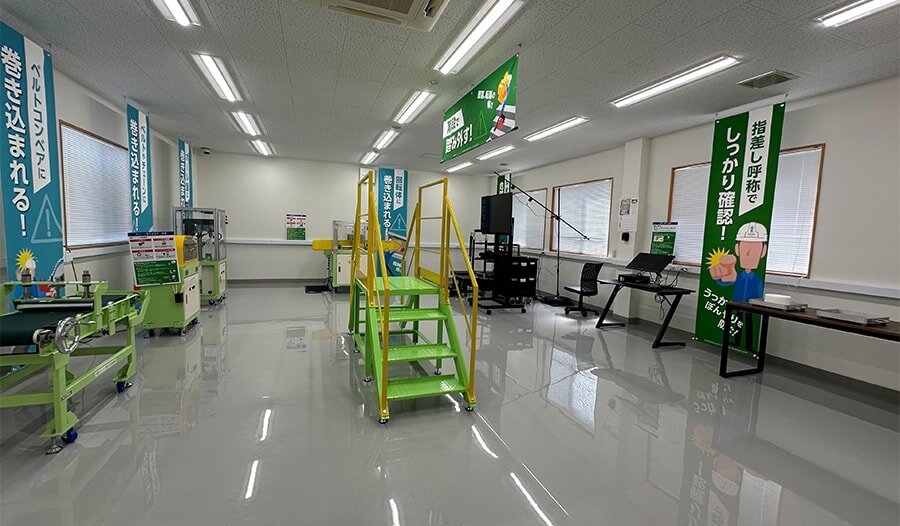
This is the "Safety Training Center." It's a facility established with the goal of achieving zero workplace accidents.
In 2020, Kirishima Shuzo established the Workplace Safety Promotion Office as a specialized department to promote awareness of workplace accident prevention across all departments. Then, in 2024, they established the "Safety Training Center" as a facility where employees can learn about workplace accidents through simulated experiences.
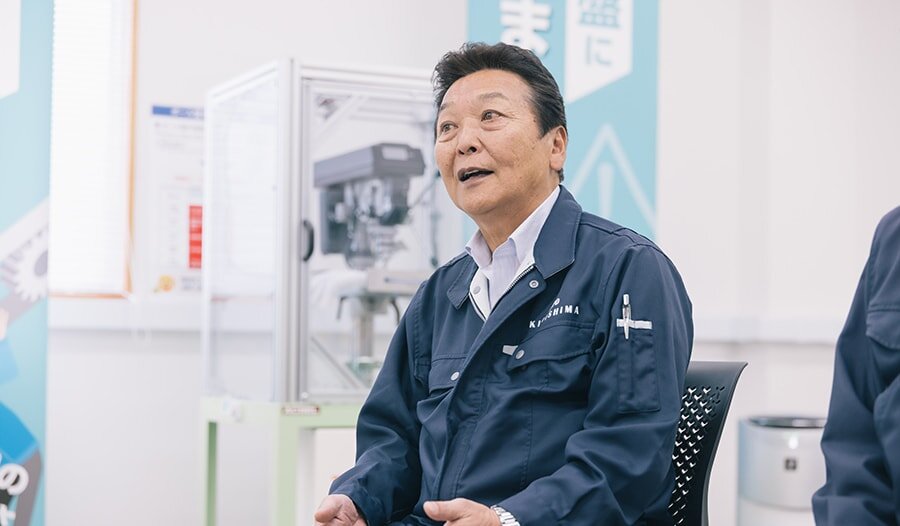
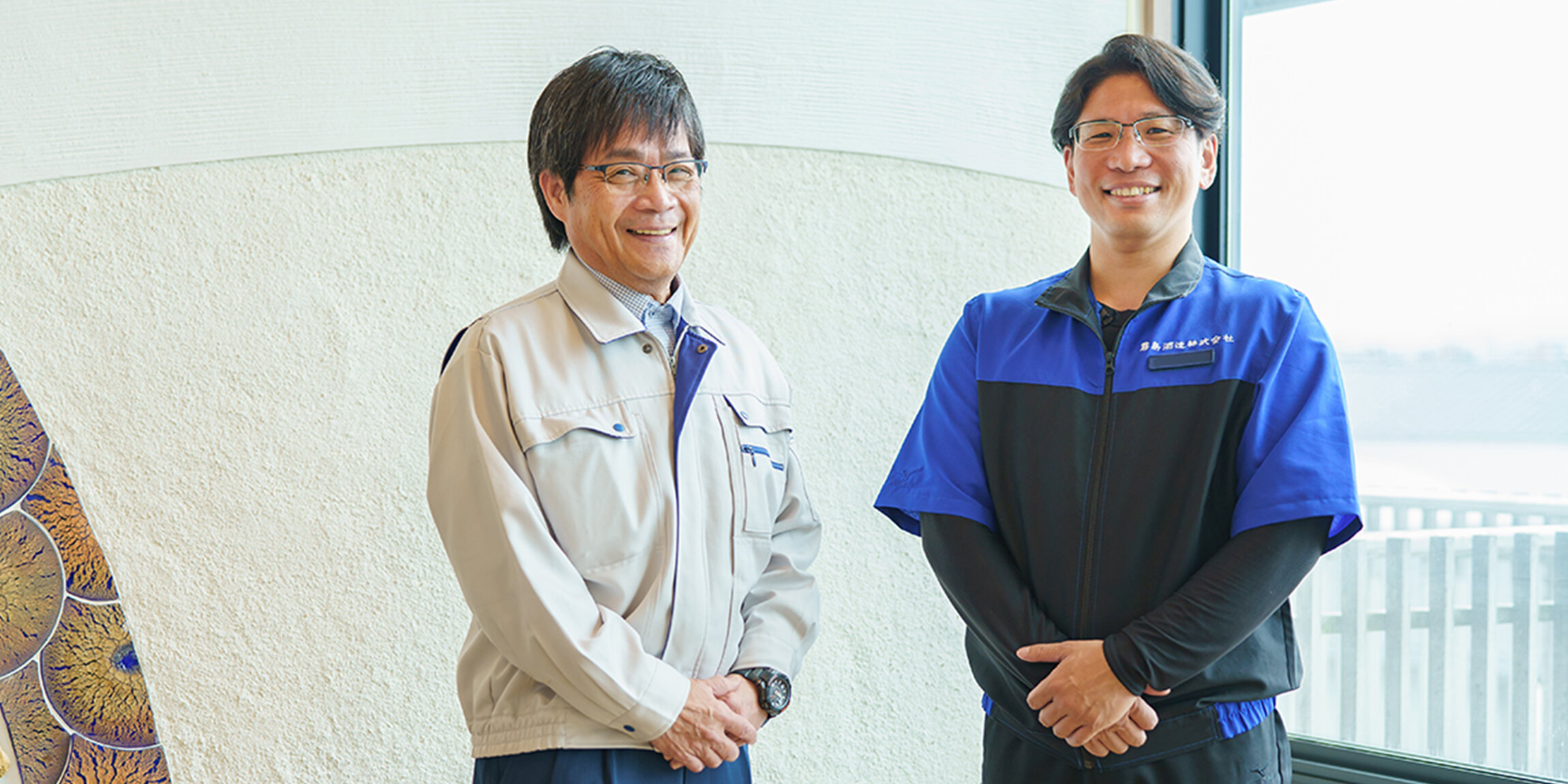
"Based on my own experience working in manufacturing, I felt that there was a need for safety education that would make people take workplace accidents more personally."
These are the words of Norihito Yokoyama of the Workplace Safety Promotion Office, who was in charge of establishing the department.
The Workplace Safety Promotion Office undertakes various initiatives to improve the working environment within the company. These include promoting safe driving to prevent traffic accidents, providing safety training for new employees, conducting in-house study sessions tailored to specific purposes and themes, and conducting regular internal audits. These efforts are carried out in cooperation with the Labor Standards Inspection Office and local police stations.
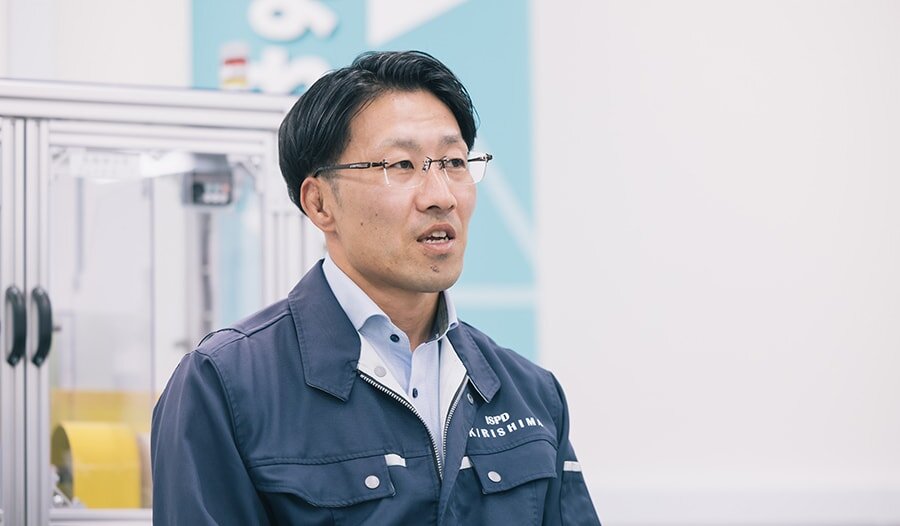
"I want to instill the idea that 'safety takes precedence over everything.' To achieve that, there will be times when I have to say tough things."
Speaking with a determined expression was Yuki Matoba, also from the Workplace Safety Promotion Office.
While it varies by department, their work is wide-ranging, from basic safety measures such as ensuring desks are tidy to providing strict guidance on individual safety awareness.
The annual foreman training is also one of the major tasks.
"Foreman training itself is mandated by law. While many companies send their employees to external specialized institutions for training, we create our own original training materials and implement them in-house," says Matoba.
To conduct foreman training, a specialized qualification called RST (Ministry of Labour-style Site Supervisor Safety and Health Education Trainer) is required. Three members of the Workplace Safety Promotion Office, including Matoba, have already obtained the RST qualification.
"I myself received foreman training through an external course, but since it covered topics from other industries as well, there were parts that didn't quite resonate with me. I thought that by creating original in-house training materials, we could incorporate content that matched our company's challenges and initiatives."
Matoba says that the most important thing in safety training is how to make people feel that it's "their own matter." He makes efforts to keep people engaged and make it "their own matter" by tailoring the content to each department so that it's easy to imagine the actual work environment, changing his speaking style according to years of service and age, and incorporating group work in addition to lectures.
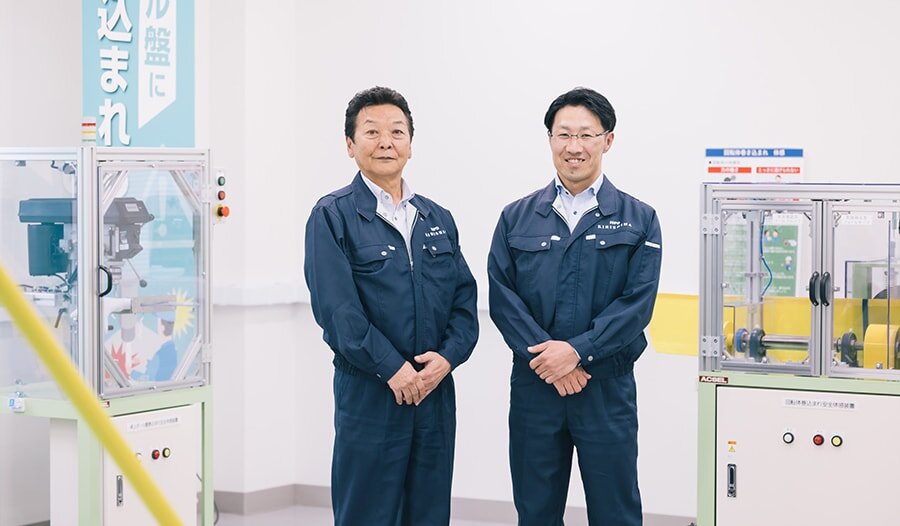
The "Safety Training Center" is the ultimate example of taking this "personalization" approach to the extreme. Here, facilities are equipped to allow people to experience simulated accidents that can occur on the production floor, using machines that closely resemble those in the actual workplace, as well as VR simulators.
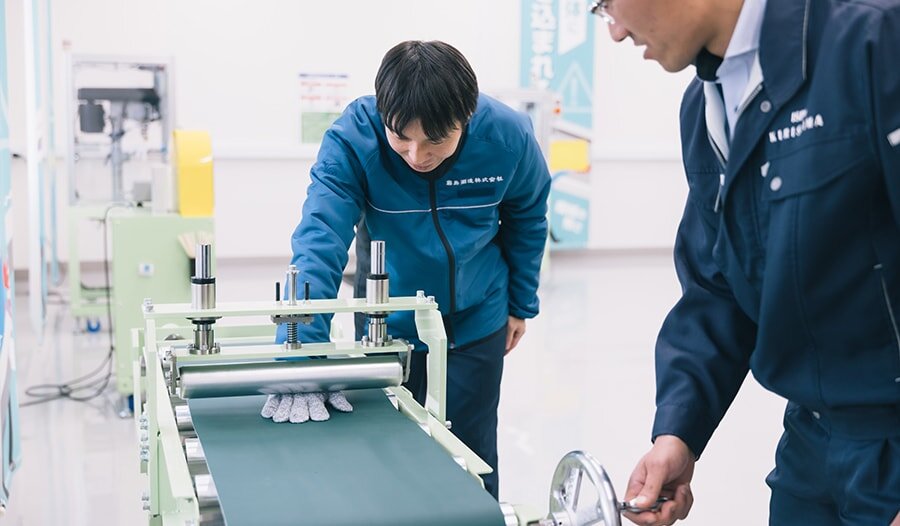
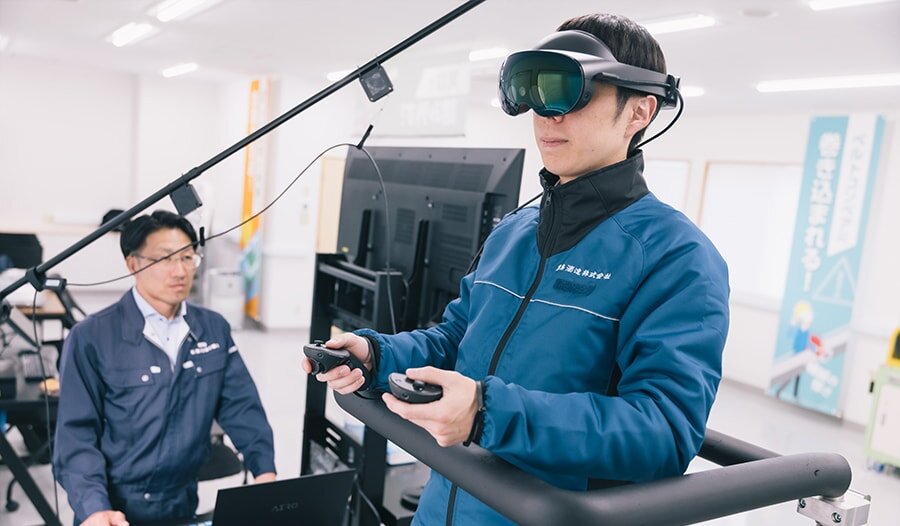
"We started by brainstorming what kind of device we needed," said Yokoyama.
They built the facility while also conducting site visits to companies with similar equipment. Just as they were finalizing the facility's concept, the COVID-19 pandemic hit, creating an uncertain situation. Nevertheless, their strong determination to establish the center, which they considered an indispensable facility for Kirishima Shuzo's future, never wavered.
The center started operations in March 2024. Immediately afterward, a safety training session using tactile equipment was conducted for approximately 700 employees.
"Compared to before the training, the number of workplace accidents decreased significantly after the training," said Yokoyama. A sense of relief, derived from achieving the desired result, was evident on his face.
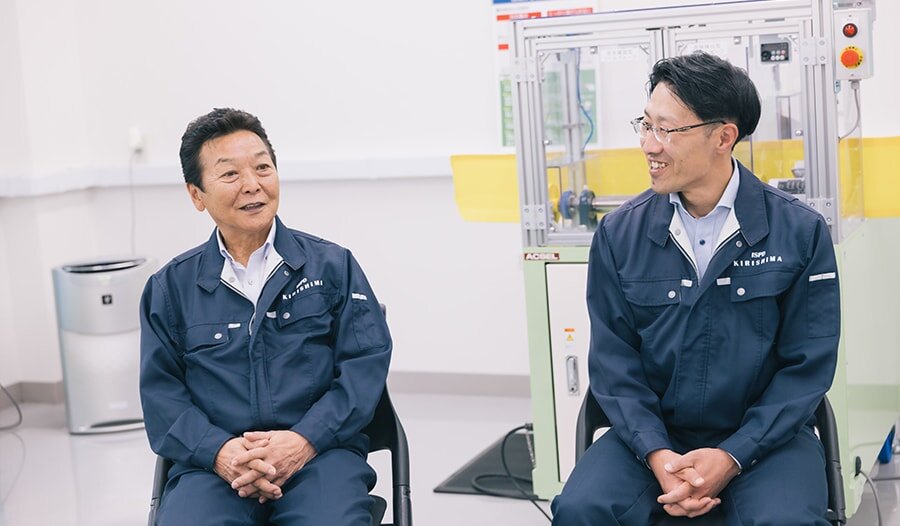
Furthermore, the facility has attracted attention from outside, and they have been receiving requests for interviews from specialized media outlets and invitations for instructors to conduct training courses. In response to this positive feedback, they have been accepting use by external companies and organizations since October 2024. To date, they have accepted 19 organizations, not only from Miyazaki Prefecture but also from the Kansai and Kanto regions. Because the industries of the organizations vary, they change the training content each time.
"The types of accidents that can occur vary depending on the industry. We try to provide training that is as tailored as possible to each organization by having them share information about past accidents in advance and researching machinery we’ve never seen before," says Matoba.
Yokoyama also said, "Since we are doing this free of charge, it does not directly contribute to the company's profits. However, I believe that by letting people from other prefectures know about Kirishima Shuzo, it will also help promote the company and its products."
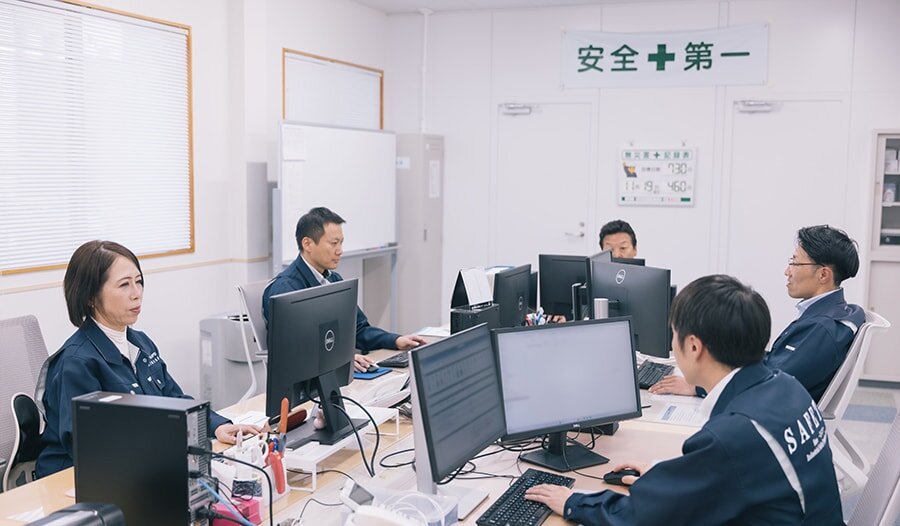
What about the future? They say there is no end to promoting safety.
"Training isn't something that can be done just once; it's important to conduct it regularly to solidify awareness. We will continue our efforts with the goal of achieving zero workplace accidents," said Matoba.
Yokoyama also stated that he wants to establish a system of awards and recognition based on achievements, in addition to providing guidance.
"We are currently working on an accident-free award system. We will also focus on creating a system that can positively boost motivation throughout the entire department."
Indeed, there may be no end to the path to safety. As manufacturing technology advances, the workplace changes accordingly, and new risks increase. That is precisely why we must keep thinking and learning without stopping.
There is no such thing as a perfect safety standard at Kirishima Shuzo. That's because the Safety Training Center is a place where a safety culture is constantly being nurtured—a place that is "still in progress." In order to maintain a state of zero workplace accidents as the norm, they quietly continue their daily efforts.



*Please refrain from sharing alcohol-related information with those under 20 years old.

- From hashtags
Interesting articlesSearch for