Shochu lees are treasures. This idea grew into bread.
Why would a shochu maker bake bread?
Discover the unconventional idea behind “Shochu Moromi Bread.”
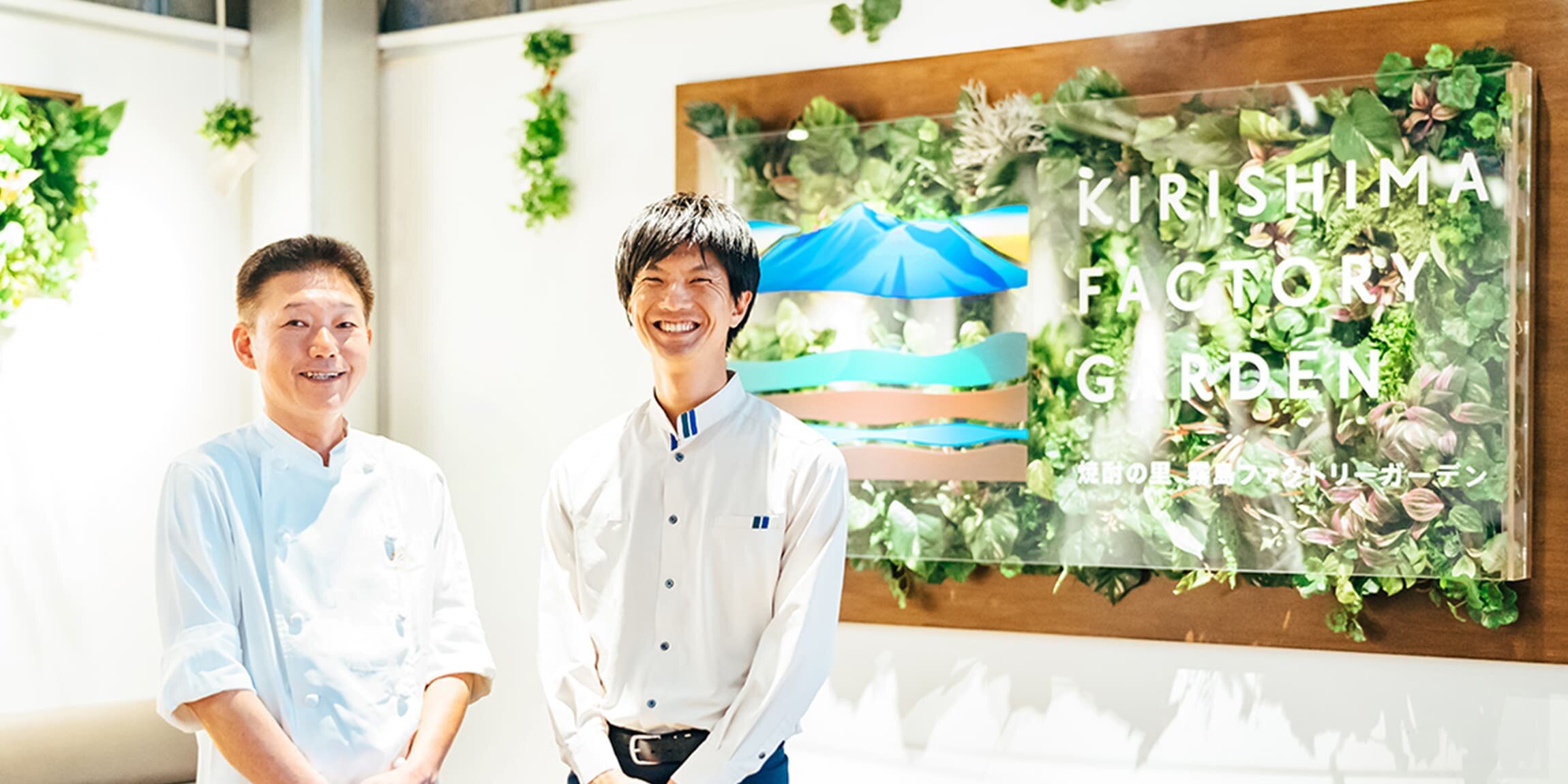
Kirishima Factory Garden Shochu no Sato, a place where you can experience history of Kirishima Shuzo and passion to shochu production, is bustling with visitors every day.
In one corner, there is a place where a fragrant, gentle aroma wafts up.
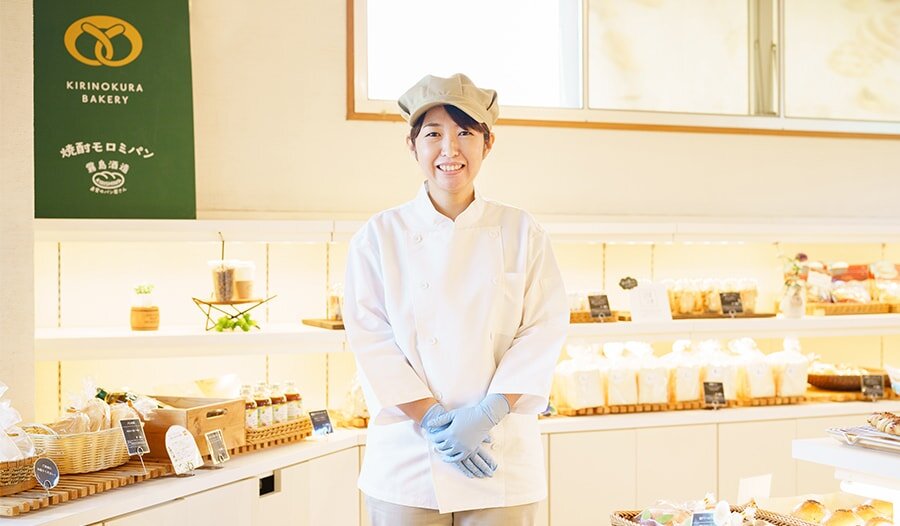
The bakery is called "Kirinokura Bakery" and is run by Kirishima Shuzo.
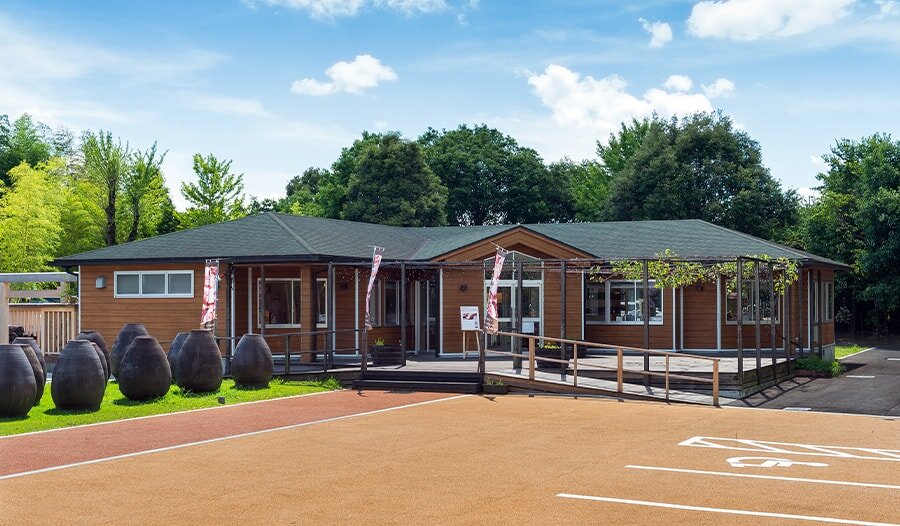
Opened in 2008, Kirinokura Bakery uses Kirishima Rekkasui, the same water used to make Kirishima Shuzo's shochu. The most important feature of the bread is the use of Shochu moromi in the dough.
People from other breweries can't believe it."
That's what Yuki Takehara, the manager of Kirinokura Bakery.
Shochu Moromi (shochu lees) is a byproduct of the shochu distillation process, and in the past had to be discarded. It has a distinctive smell, and the more familiar people are with shochu making, the more surprised they are by the idea of using it for food.
In fact, Shochu there is only one brewing company in the country that makes bread using moromi, Kirishima Shuzo*.*.
*As of December 2024
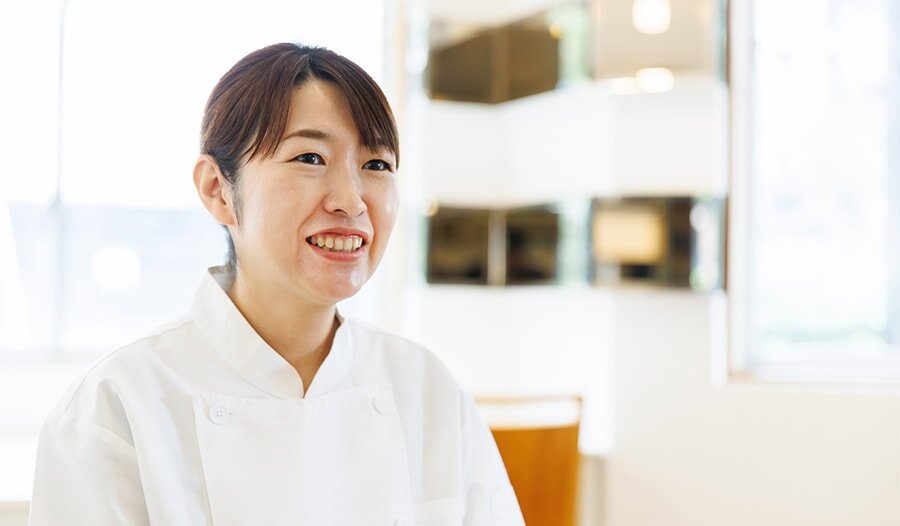
Where did the idea of using shochu moromi in bread come from?
Kirishima Shuzo was originally aware of the high nutritional value of shochu lees and began spreading it on fields as fertilizer and feed.
Around 2000, based on the idea that "shochu lees are a treasure," the company began to consider ways to make more effective use of shochu lees while being more environmentally friendly. As construction of "Shochu lees recycling plant" that use the power of microorganisms to turn shochu lees into energy progressed, the idea of using it in food was raised.
"I heard that in order to spread awareness of the benefits of shochu moromi, which is packed with healthy ingredients, they chose to use it in bread, a food product that can be enjoyed by people of all ages and genders."
The development was carried out through a joint research with the Kyushu Okinawa Agricultural Research Center of the National Agricultural and Food Research Organization.
A method was taken to use the moromi liquid, which is strained into a translucent liquid, as water for preparing bread.
Initially, adding shochu moromi led to a series of failures, such as unstable bread fermentation and an overly persistent distinctive odor.
After repeated trial and error, the final result was the use of moromi liquid in the process of making a starter culturecalled levain, resulting in a bread that took advantage of the goodness of shochu moromi in its taste.
* A mixture of ingredients (wheat flour and water) fermented with yeast and lactic acid bacteria
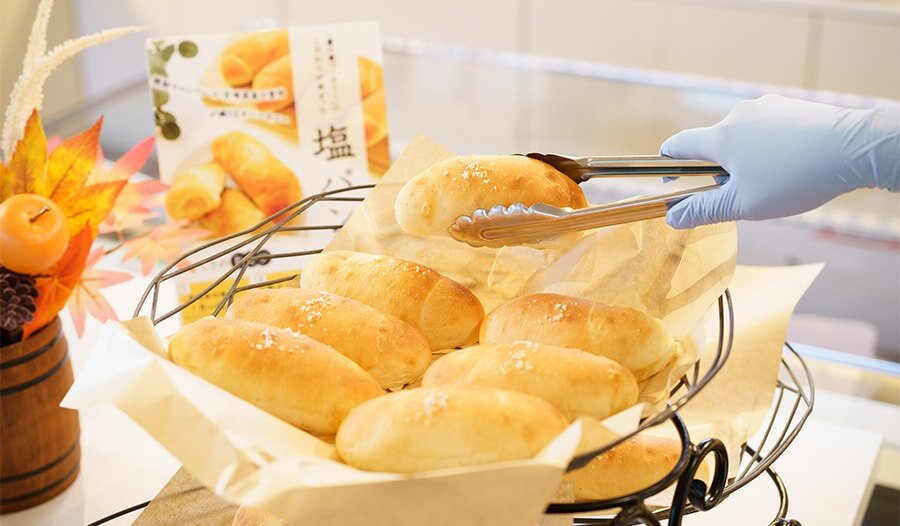
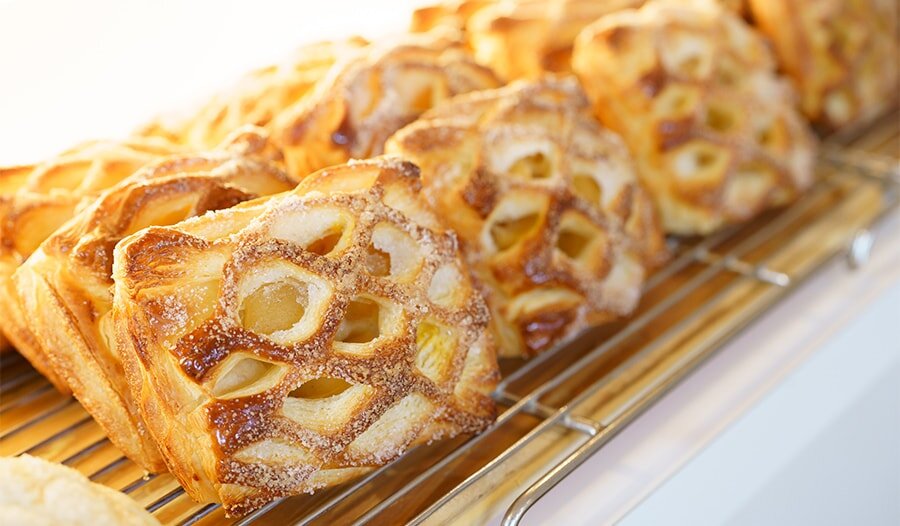
Many people might wonder what changes when shochu moromi is used. In fact, she is often asked, "Does it have the flavor of alcohol?"
"It doesn't have the flavor of alcohol, and its greatest feature is the texture. Using shochu moromi increases the moisture retention, resulting in a soft and chewy texture. It also has a fragrant flavor that comes from shochu moromi, and when you smell the aroma of freshly baked bread, it fills you with happiness."
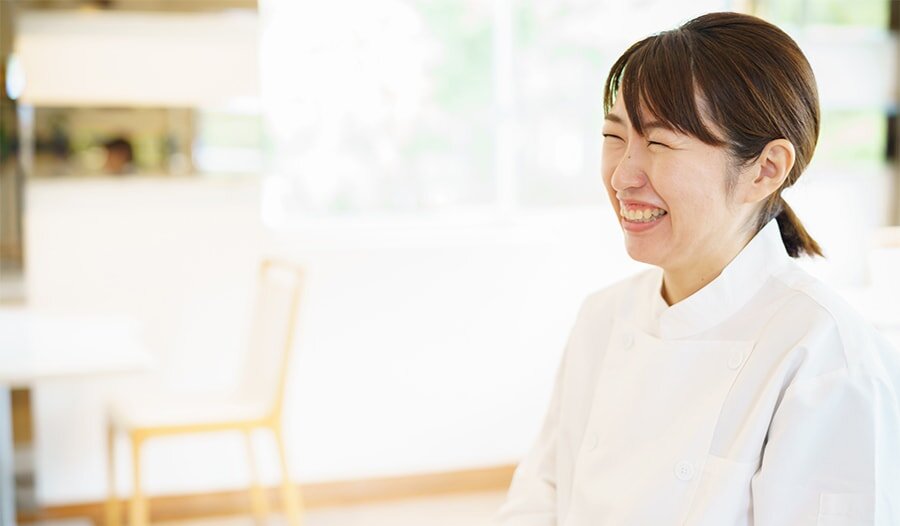
Takehara spoke with a big smile.
The basket bread, made with French bread dough, which is said to best showcase the characteristics of shochu moromi, is a popular item with repeat customers and those who make reservations.
Customers include tourists visiting Kirishima Factory Garden, Shochu no Sato, as well as many locals who visit Kirinokura Bakery.
"Because we use carefully selected ingredients, including shochu moromi, our prices are a little higher than those of local bakeries. But we are very happy that so many customers have discovered the deliciousness of bread made with shochu moromi and are happy to buy our bread, saying, 'I can't live without this bread.'"
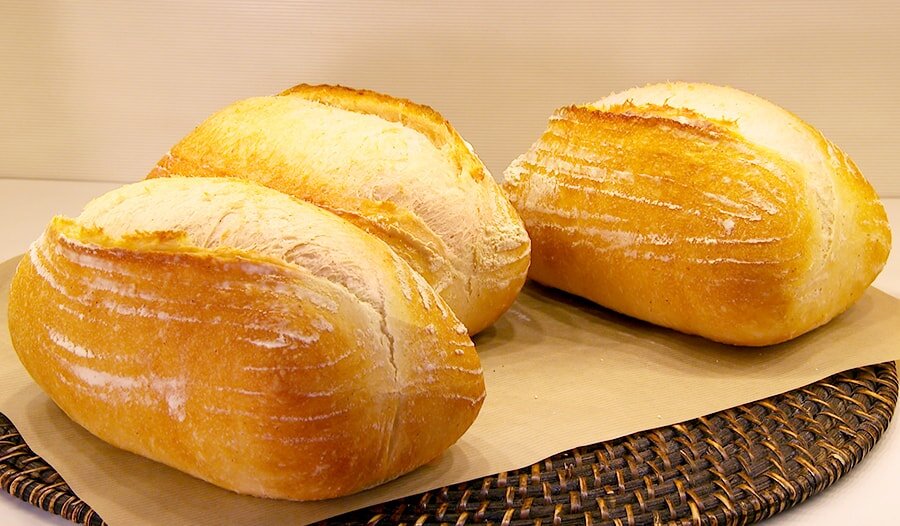
Currently, "Kirinokura Bakery" bread can only be purchased within "Shochu no Sato Kirishima Factory Garden", and some days it is sold out by early afternoon after the store opens at 9:30 in the morning.
"We considered outsourcing production in order to increase production, but since we use ingredients that can only be obtained here, such as shochu moromi and Kirishima Rekkasui, it is quite difficult to make bread outside of this land. That is why we produce all of our bread at 'Kirinokura Bakery'."
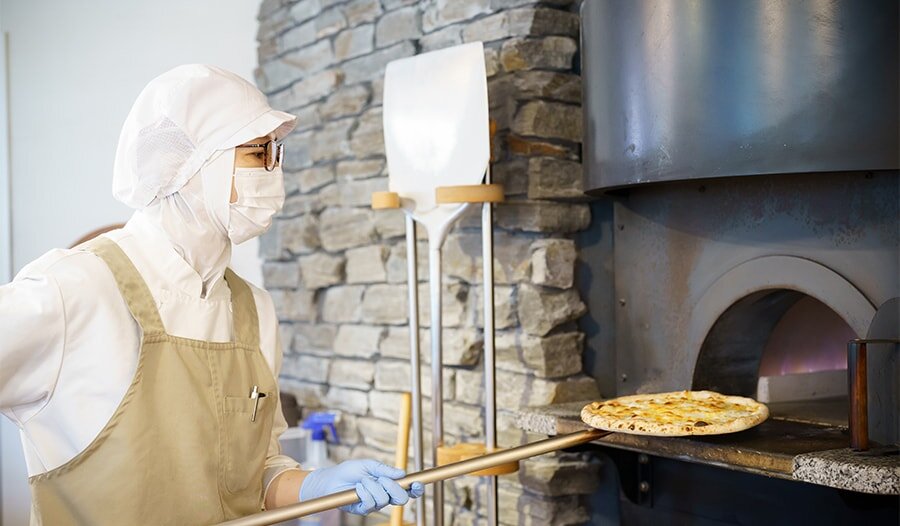
It is not only shochu moromi and Kirishima Rekkasui. They are particular about the ingredients unique to this region, such as butter, salt, and other raw materials, and even the toppings for their pizzas, which are made with ingredients produced in the prefecture.
The pursuit of what can only be made here is what they have always been pursuing in shochu production.
They are also advancing new research focused on koji for bread. Leveraging Kirishima Shuzo's unique approach, ideas, and accumulated research findings, new products will be born.
"We have regular customers at Kirinokura Bakery who are as young as three years old. That connection would never have been formed through shochu alone. We believe that our strength lies in being able to create opportunities for customers who previously had no connection to Kirishima Shuzo to enjoy our products."
While pursuing Kirishima Shuzo’s unique identity, they challenge themselves to do things the traditional Kirishima Shuzo could not.
The possibilities expanded at "Kirinokura Bakery" will surely take Kirishima Shuzo to a new stage.



*Please refrain from sharing alcohol-related information with those under 20 years old.


- From hashtags
Interesting articlesSearch for