The resolve that supported the success of Kuro Kirishima. Exploring the spirit passed down to this day.
Behind the leap forward lies a struggle.
A record of the tireless efforts of those who supported the company during its period of transition.
The birth of Kuro Kirishima in 1998 is undoubtedly the biggest turning point in history of Kirishima Shuzo. What started as a product of a local shochu maker quickly spread throughout the country, and grew into shochu beloved throughout Japan.
Behind this rapid growth are people who support the company even away from shochu production site.
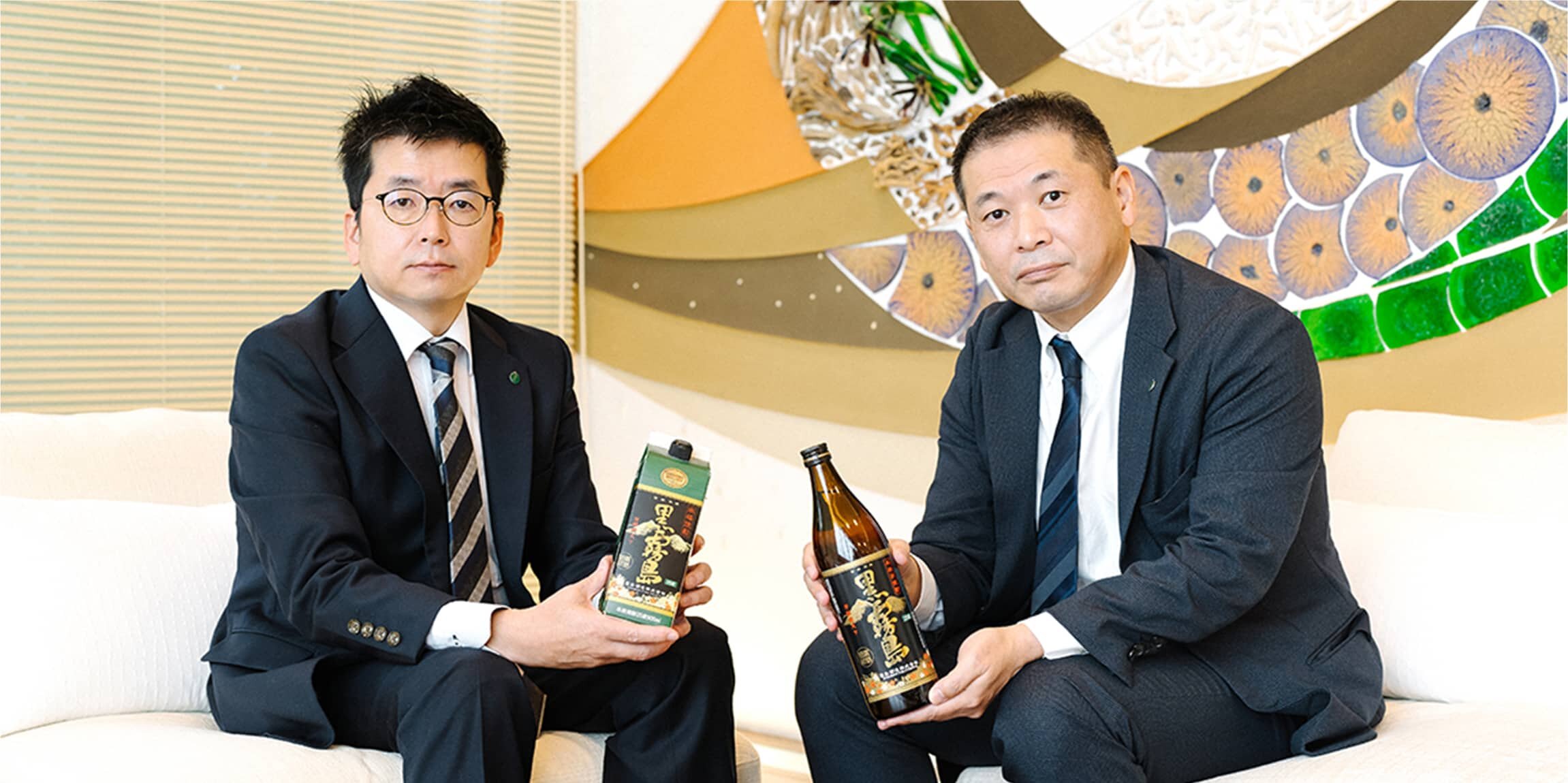
One of them is Shigeru Igasaki, former Managing Director, who has supported Kirishima Shuzo's rapid growth in the Management Headquarters for about 40 years since joining the company.

When Igasaki joined the company in 1986, Kirishima Shuzo was a small company with a total of around 100 employees.
"It was a simple, homey company where I knew everyone's face and name," Igasaki recalls.
Before joining the company, Igasaki worked in a different industry outside the prefecture and had never tried Kirishima shochu, nor did he know anything about the company. When he first tried Kirishima shochu mixed with hot water, he couldn't help but wince at the unique sweet potato aroma.
At the time, sales were around 5 billion yen, and for a company with around 100 employees, performance was very good, but growth was sluggish compared to the top manufacturers in the shochu industry. In order to overcome this situation and increase sales, Igasaki's experience as a managerial accountant in his previous job was exactly what the company needed.

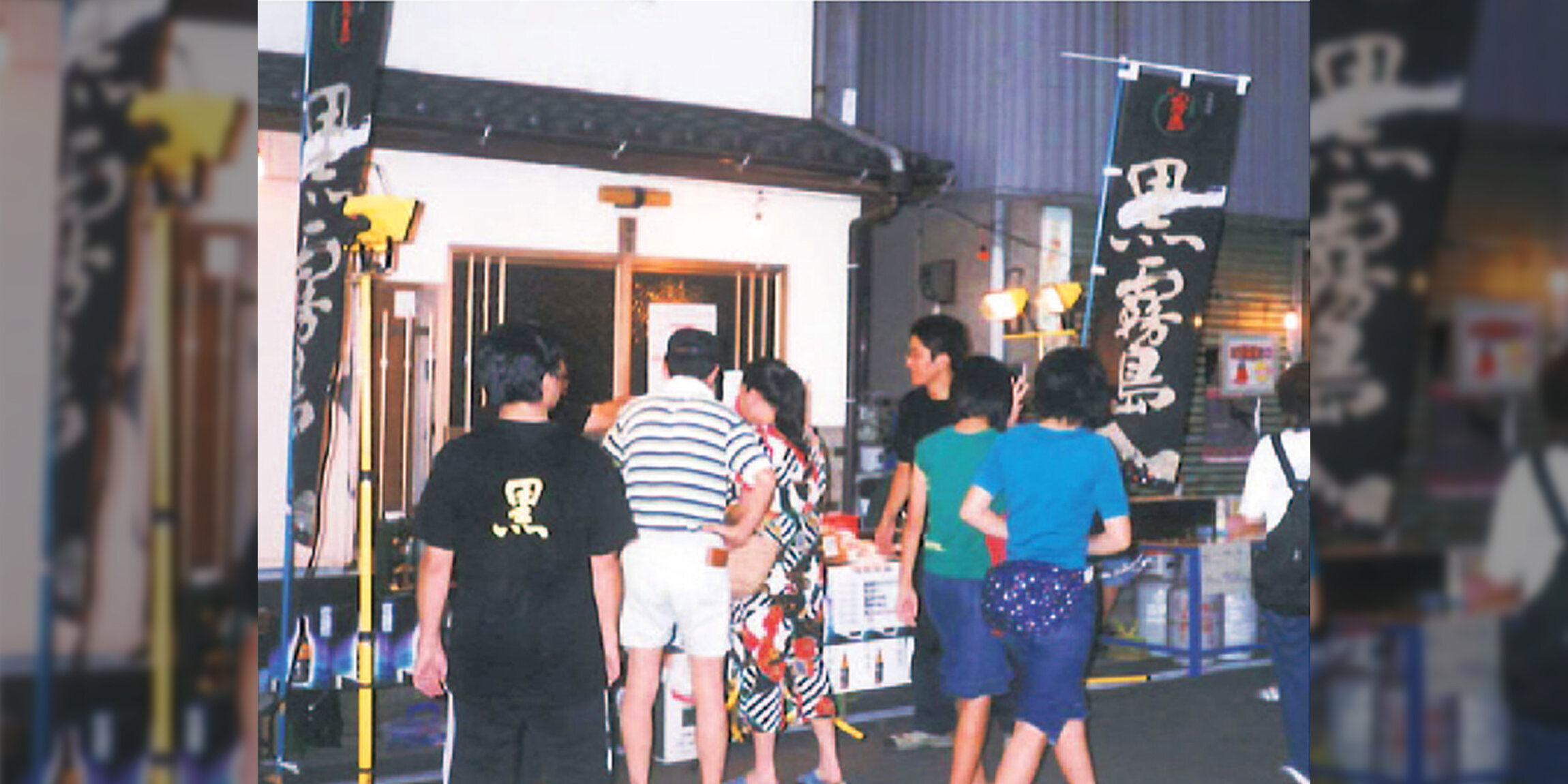
One day, a turning point came with the release of Kuro Kirishima in 1998. Thanks to steady sales efforts and being featured on television by celebrities, Kuro Kirishima's sales grew at an astonishing speed that the production system at the time could not keep up.
"I thought something incredible was happening."
Igasaki recalls the rapid growth of that time. The unprecedented boom was exciting and filled him with joy every day, but at the same time, production could not keep up with shipping volume, and local supermarkets had to put up signs saying "Limit one bottle per customer." At the time, Igasaki was used to drinking sweet potato shochu himself, but he refrained from drinking it so that as much product as possible could reach his customers.
At the time, Igazaki was used to drinking sweet potato Shochu himself, but he refrained from drinking it so that as much product as possible could reach his customers.
Faced with this situation, the management team made a resolute decision.
At the time, production was carried out at two factories, Headquarters Factory and Shibita Factory, but in order to stabilize the supply of Kuro Kirishima as sales continued to grow, it was felt that an expansion of the factory was essential. This decision would determine the future of Kirishima Shuzo, but with the priority being placed on delivering products to customers, Shibita Expanded Factory was built in 2006, followed by Headquarters Expanded Factory in 2011, just five years later, and Shibita Second Expanded Factory in 2018.
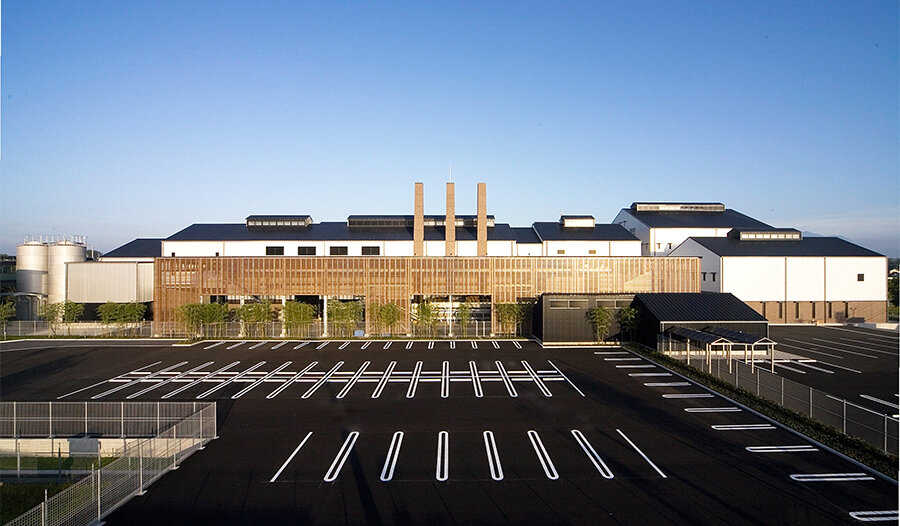
Igasaki worked hard to raise funds and acquire land in order to expand factories. Although he had a good relationship with the bank, there were some concerns about building another factory just five years after the expansion in 2006. To allay these concerns, he submitted various documents, including a financial plan and business plan, and requested financing.
Acquiring the land was particularly challenging. To add another factory, a vast plot of land of approximately 20,000 square meters was required.
"As a condition of the manufacturing license, it was essential to purchase the land around Headquarters Factory and Shibita Factory. To do this, we had to purchase land and farmland and convert it so that we could build a factory. Kirishima Shuzo is rooted in the local community and has grown together with the community, so farmers and other local people are important to us. That's why we were very careful in our negotiations with the landowners."
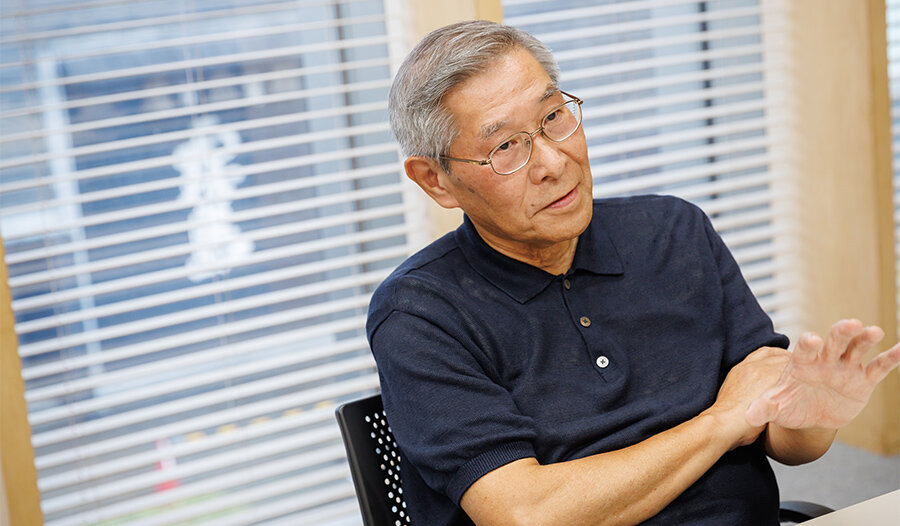
Naturally, some of the farmland was owned by individual farmers. Some readily agreed, saying, "We drink Kuro Kirishima on a regular basis," but others were reluctant for various reasons. We visited each farm and negotiated in good faith.
National agencies, which are in a position to protect the farmland demanded extensive justification: Why use farmland? Had alternative sites been considered? After numerous visits to various places, including the relevant agencies in Miyazaki Prefecture and Miyakonojo City, and resolving each issue one by one, acquiring the land for just one factory took over two years.
Naturally, as the number of factories increased, more manpower was needed, so in addition to securing personnel, the company also worked on training and positioning employees after they joined the company.
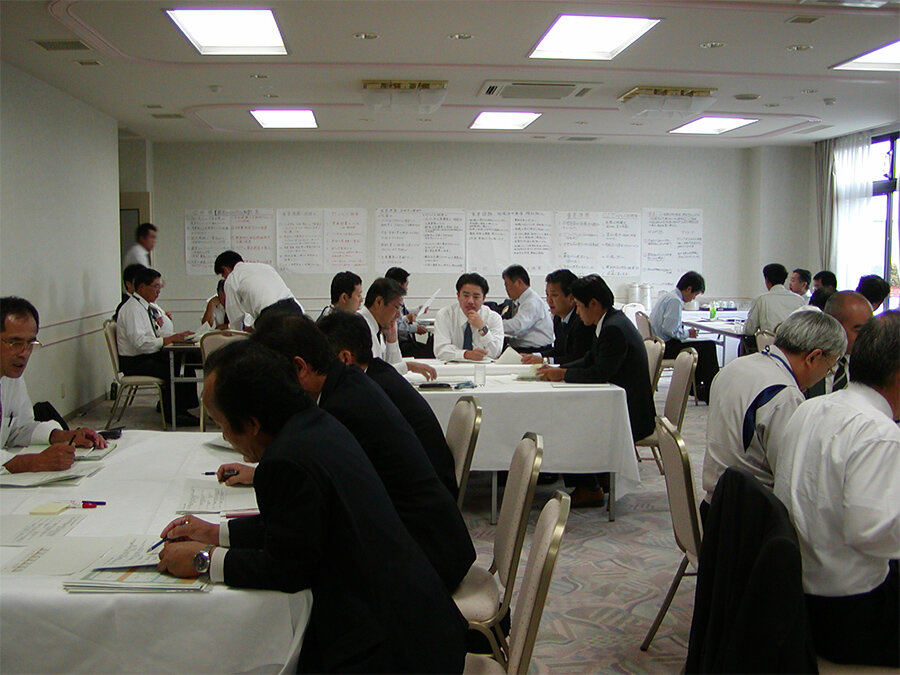
"With plans to build a factory in a few years' time, we had to negotiate and apply for construction, as well as arrange for the necessary additional staff. We repeated this process every time we expanded the factory. As the number of employees increased and the company grew, I also recall introducing a 'goal management system' to align the direction and goals of each department across the entire company. There were times when things didn't go smoothly, and those were hectic days that left a dizzying amount of activity."
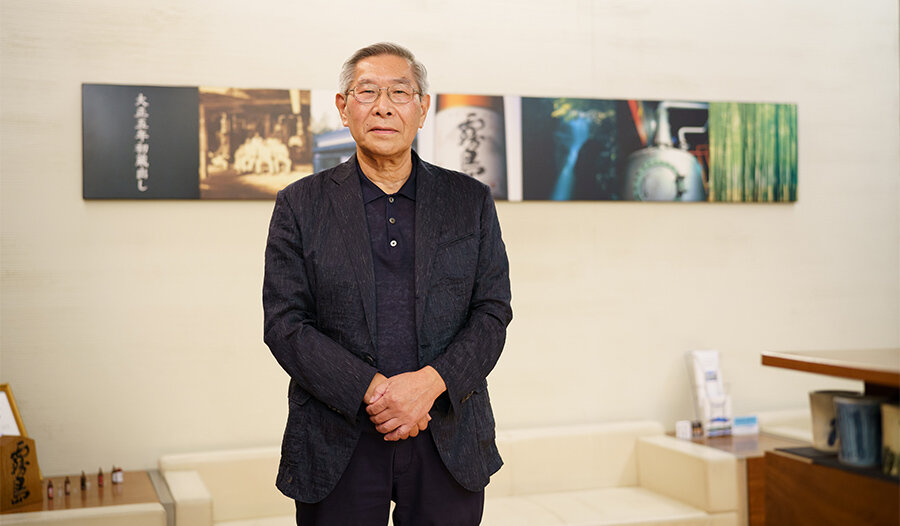
Igasaki, who has continued to support Kuro Kirishima's rapid growth, retired from his position as an executive in 2023, but his passion for Kirishima Shuzo and honkaku shochu remains unchanged.
"First, be true to yourself. Second, be curious and take on big-picture challenges."
This is the belief that Igasaki has upheld in order to deliver delicious shochu. And with a gentle expression, he says he hopes that the employees who will support Kirishima Shuzo in the future will also have this belief.
Without Igasaki and other employees who overcame those turbulent days, Kirishima Shuzo would not be what it is today. And that spirit has certainly been passed down to the employees who support Kirishima Shuzo today, and continues to be honed.



*Please refrain from sharing alcohol-related information with those under 20 years old.

- From hashtags
Interesting articlesSearch for