The shrine was born out of gratitude for the nature of "Kirishima."
Delving into the history of Kirishima Shochu Shrine,
the symbol of the Kirishima Shuzo brand.
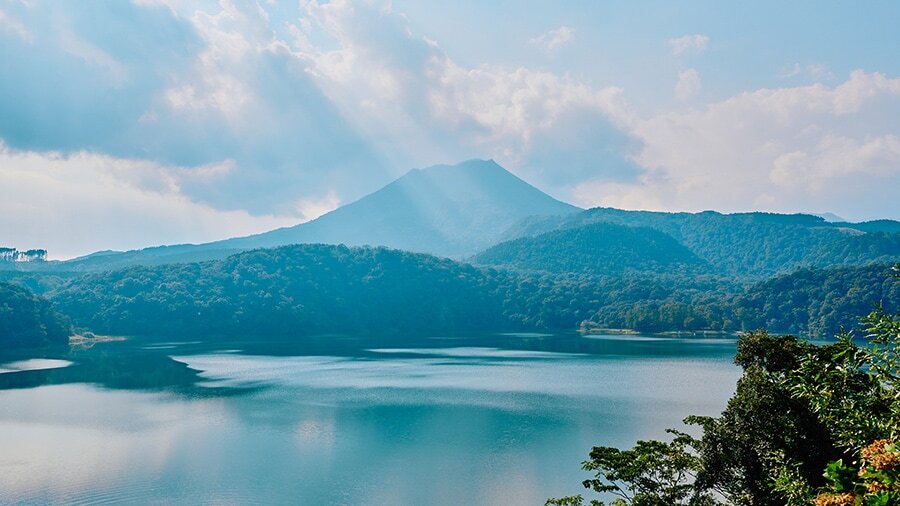
The name "Kirishima" is said to have originated from the fact that when fog rolls in around the foot of the Kirishima Mountains, the mountains appear to float like islands.
On the grounds of Kirishima Shuzo, which bears this mystical place name, stands a venerable shrine that enshrines a branch spirit of Kirishima Jingu, the principal shrine of the Kirishima region spanning the border between Miyazaki and Kagoshima prefectures. This is the Kirishima Shochu Shrine, which enshrines Ninigi-no-Mikoto, the ancestral deity of the founding of the nation*and also known as the deity of agriculture.
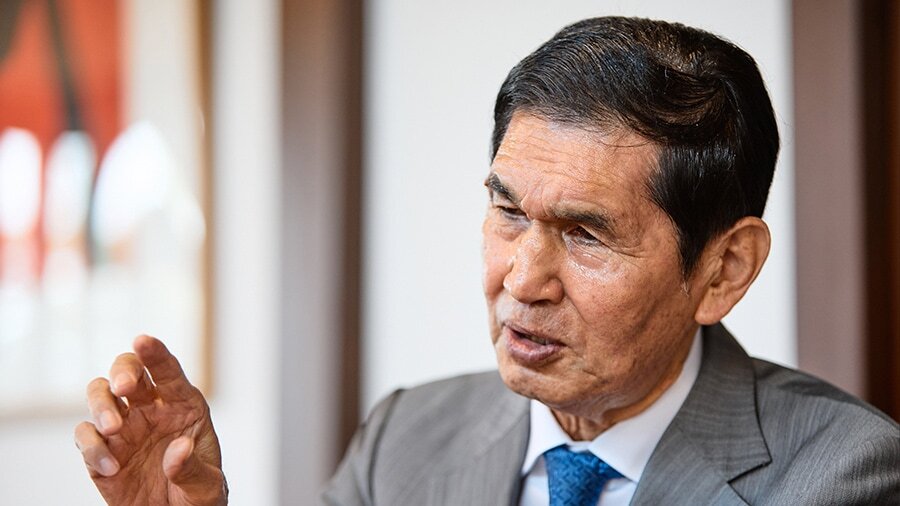
We asked President and CEO Yoriyuki Enatsu about the thoughts and aspirations behind the shrine's establishment.
*In Japanese, this concept is referred to as "chokoku"
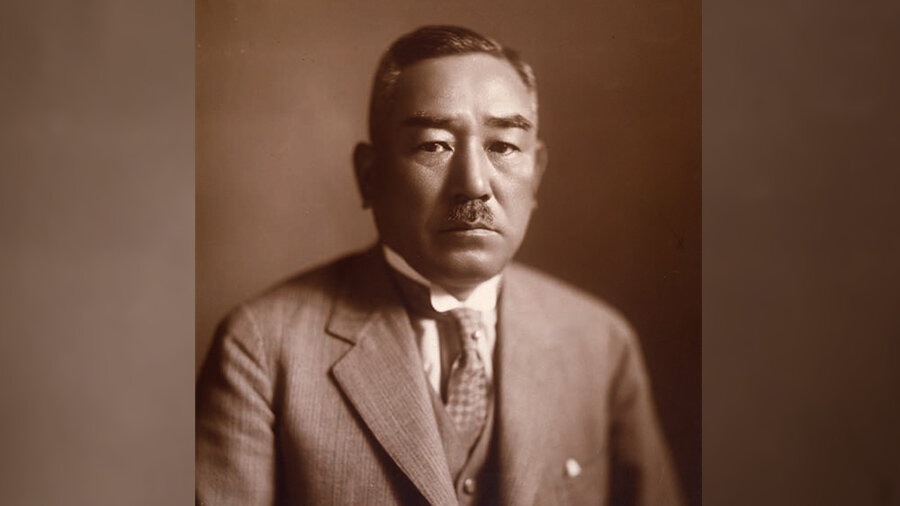
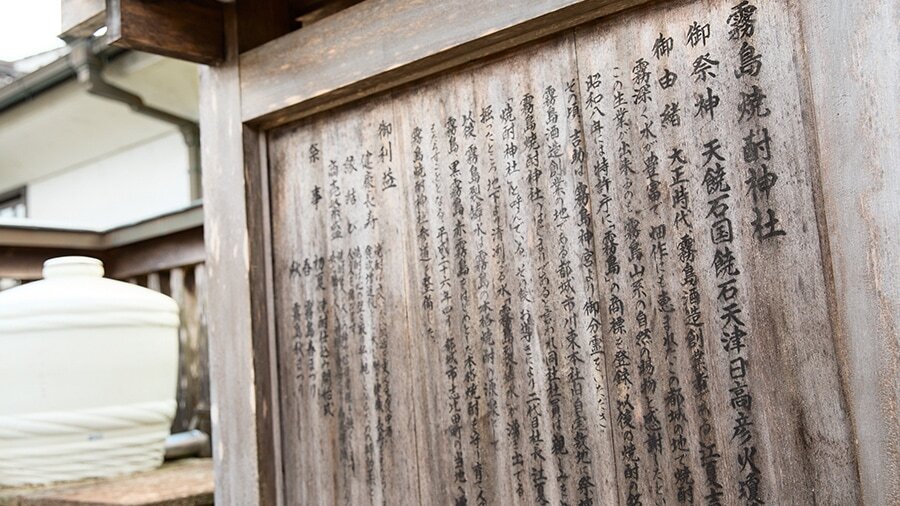
Kichisuke Enatsu, the first president of Kirishima Shuzo, which was founded in 1916, dedicated amulets from local shrines, including Kirishima Jingu, to the company's headquarters in Shimokawahigashi, Miyakonojo City, as a token of gratitude for the blessings of nature, and set up an altar, which he revered as the guardian deity of the company. Although the exact circumstances are unclear, it is believed that the company received a branch spirit from Kirishima Jingu around 1933, when it registered the "Kirishima" trademark.
The enshrinement of a branch spirit involves an extremely important ceremony performed by the chief priest of the Jingu over seven days and seven nights.
It is said to be highly unusual for Kirishima Jingu to grant a branch spirit to a private company such as Kirishima Shuzo.
According to a person associated with Kirishima Jingu, “The head of Kirishima Jingu at the time was aware that Kichisuke had long held the deities in deep reverence and frequently visited the Jingu to worship. Believing that Kirishima Shuzo was a company that would continue to cherish and faithfully enshrine the spirit for generations to come, he made the exceptional decision to grant it a branch spirit.”
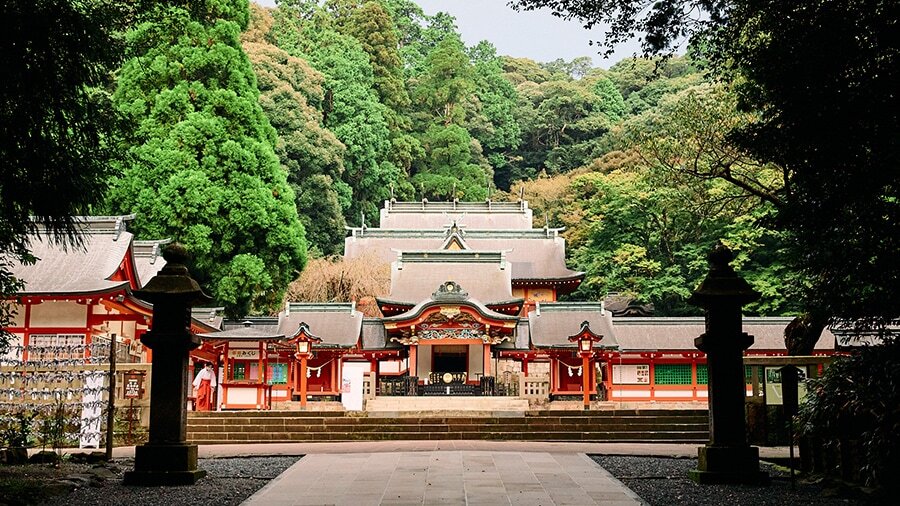
Against this backdrop, in 1983, second president Junkichi Enatsu received another branch spirit from Kirishima Jingu during the construction of the new factory (now the Shibita Factory), which was completed in 1986, and established an altar in Shibita. That branch spirit became the origin of today's Kirishima Shochu Shrine.
Yoriyuki believed that the Kirishima Shochu Shrine was indispensable to expressing the Kirishima Shuzo brand.
"For a company to endure over the long term, it needs added value such as tradition. The Kirishima Shochu Shrine embodies many elements that evoke a sense of tradition. In addition to enshrining a branch spirit of Kirishima Jingu, the father of Konohanasakuya-hime—the consort of the shrine's enshrined deity, Ninigi-no-Mikoto—is the deity of sake."
To help those who enjoy Kirishima Shochu feel this traditional heritage more closely, the shrine was relocated in April 2014 to Shochu no Sato at Kirishima Factory Garden, with the approval of Kirishima Jingu, and redesigned as a shrine complete with a sando (approach path), torii gate, and other traditional features.
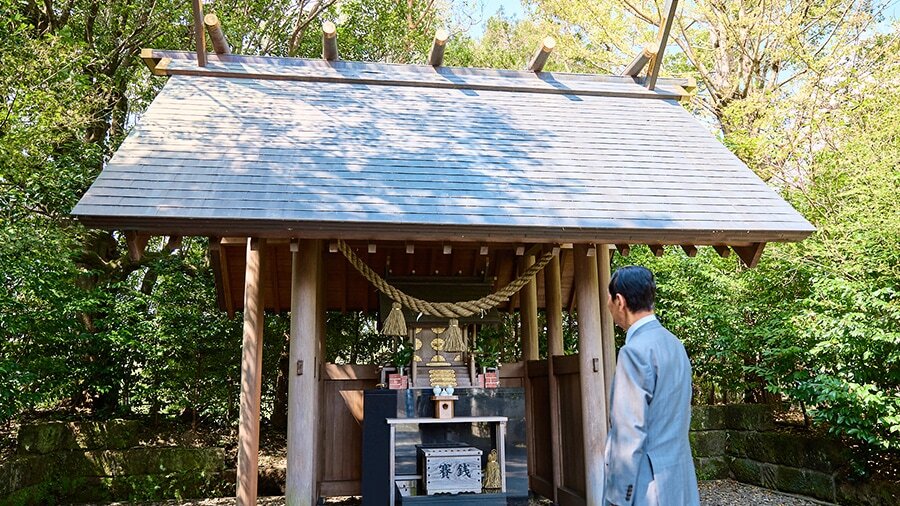
When the shrine was built, Yoriyuki personally visited shrines located on the grounds of various private companies, incorporating thoughtful details throughout the design.
As a young man, Yoriyuki spent about two weeks at Ise Jingu, where he was deeply impressed by the Shinmei-zukuri architectural style. He chose to build the shrine as a traditional timber structure and specially sourced cypress logs dressed on all four sides.
In the area before the torii gate, where the sacred precincts have not yet begun, Yoriyuki felt it was appropriate to reflect the character of a shochu maker. One idea he incorporated was to repurpose an earthenware jar once used to sell shochu as a temizu water basin for ritual purification.
The relocation ceremony is normally conducted only by those who serve at the main shrine, Kirishima Jingu. On this occasion, however, in recognition of the family's long-standing devotion dating back to Kichisuke, Kirishima Shuzo employees were exceptionally entrusted with ceremonial roles and took part in the ritual.
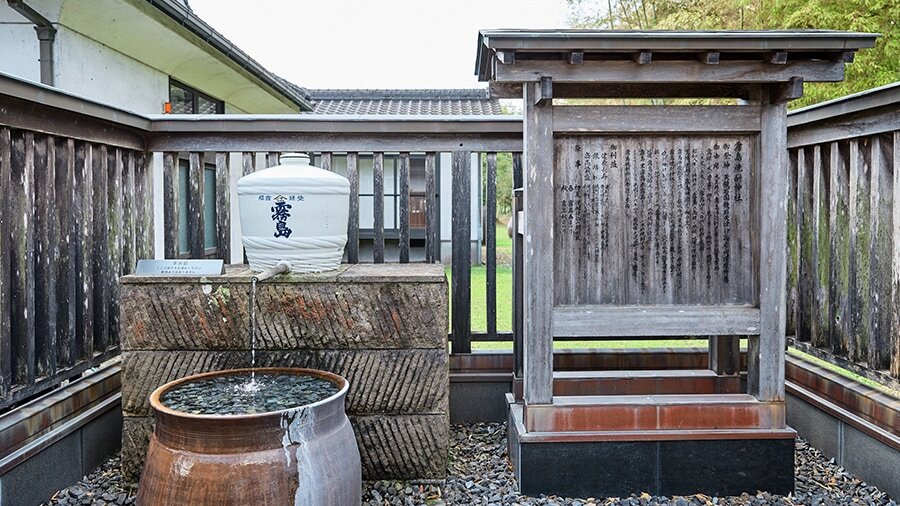
Even today, the Kirishima Shochu Shrine remains open to everyone, and many visitors who come for factory tours also stop by.
The shrine is believed to bestow blessings such as health and longevity, reflecting shochu's role in supporting a healthy appetite and enjoyable meals; meaningful connections, as sharing shochu helps bring people closer together; and business prosperity, as it strengthens bonds of trust and fosters good relationships with those you work with.
For centuries, shrines have been places where people gather and connect, often over shared drinks. The Kirishima Shochu Shrine carries forward that tradition with the hope of becoming a place that brings people closer together.
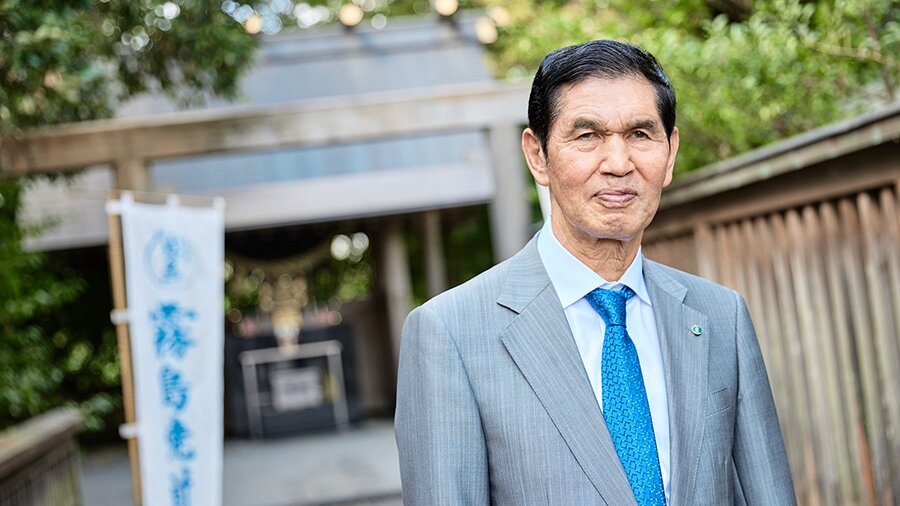
"Creating a brand is like a long journey, and it requires patience. We have to build it together with our customers. It would be wonderful if, when people pick up Kirishima shochu, they can picture the scenery of Kirishima behind it," says Yoriyuki.
Tracing its origins to the historic Kirishima Jingu, the Kirishima Shochu Shrine has been cherished for generations and will continue to stand as a symbol of the Kirishima Shuzo brand.



*Please refrain from sharing alcohol-related information with those under 20 years old.

- From hashtags
Interesting articlesSearch for