There are guardians who protects the usual deliciousness.
What is the "SQ Check" that was born from Kirishima Shuzo's relentless pursuit of "quality"?
"Spurring passion from quality"
This company slogan was introduced by the current third-generation president, Yoriyuki Enatsu, when he took office.
Inheriting the motto of the previous president, Junkichi Enatsu who himself tasted shochu as a blender, "Quality is the greatest service we can provide to our customers," Kirishima Shuzo has established its mission as delivering excitement to customers by providing high-quality products and services.
"Quality" can be broad, encompassing everything from the flavor of shochu to the packaging, manufacturing process, services, events, and information dissemination. Kirishima Shuzo sees all of these aspects, including its corporate activities, as "quality."
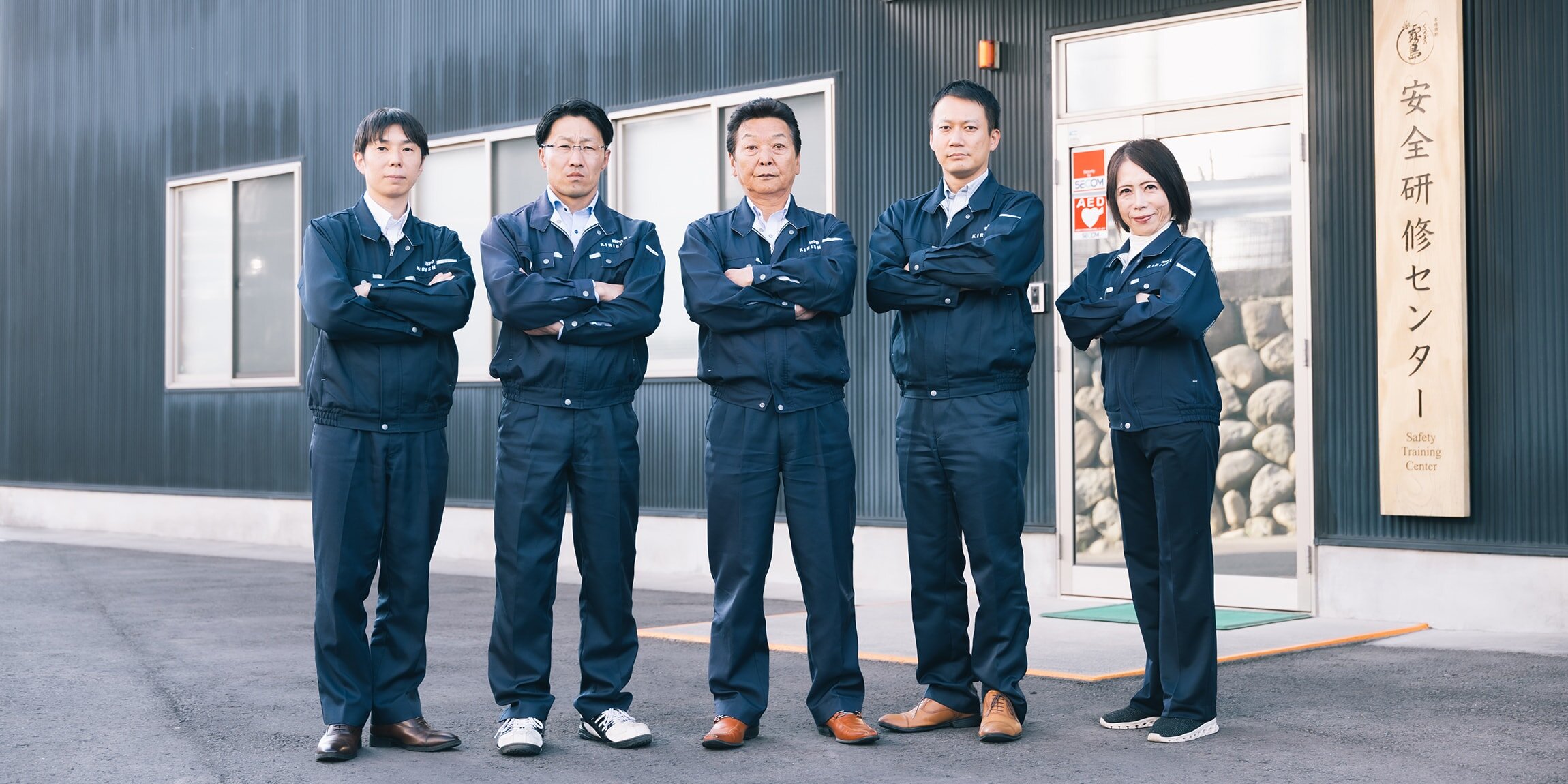
The Quality Assurance Department plays an extremely important role in maintaining reliable quality. In this article, Hironori Okuno, General Manager of the Quality Development Division, and Hidetsune Todoroki of the Quality Assurance Department talk about their efforts to control the quality of flavor, among other things.
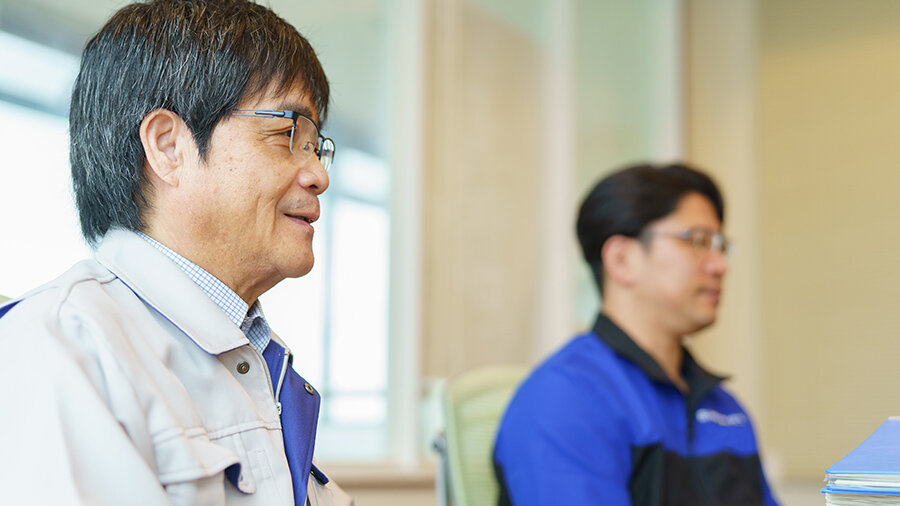
When the Quality Assurance Department was established in 2012, issues such as falsified origin labeling were occurring one after another, and awareness of food safety was on the rise. "Kirishima Shuzo also felt that it needed a system to assure the quality of its products from a more third-party perspective, and that is why we established the new department," says Okuno.
In addition, the company conducts a pre-shipment quality inspection called "SQ Check," which is unique to Kirishima Shuzo.
"Originally, we called it "pre-packing inspection" or "sensory inspection" before shochu was packed in containers, but we named the inspection itself so that it would be familiar and easy to remember internally," says Todoroki.
The name "SQ Check" was derived from the initial letters of "sensory" and "quality," meaning sensory quality inspection.
Until the SQ Check was started, the blender, who designs the flavor of the product, was responsible for checking the product.
"When blenders do the checking, they’re essentially evaluating the flavors they created themselves. This makes them less objective and more likely to be unaware of the product's issues. To avoid that, we needed a third party—a guardian to protect the taste and ensure customer safety,” Okuno explains.
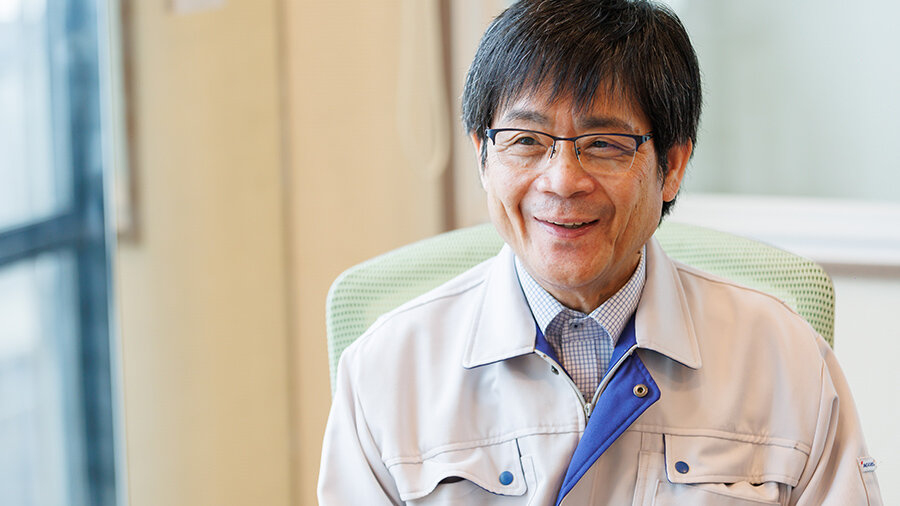
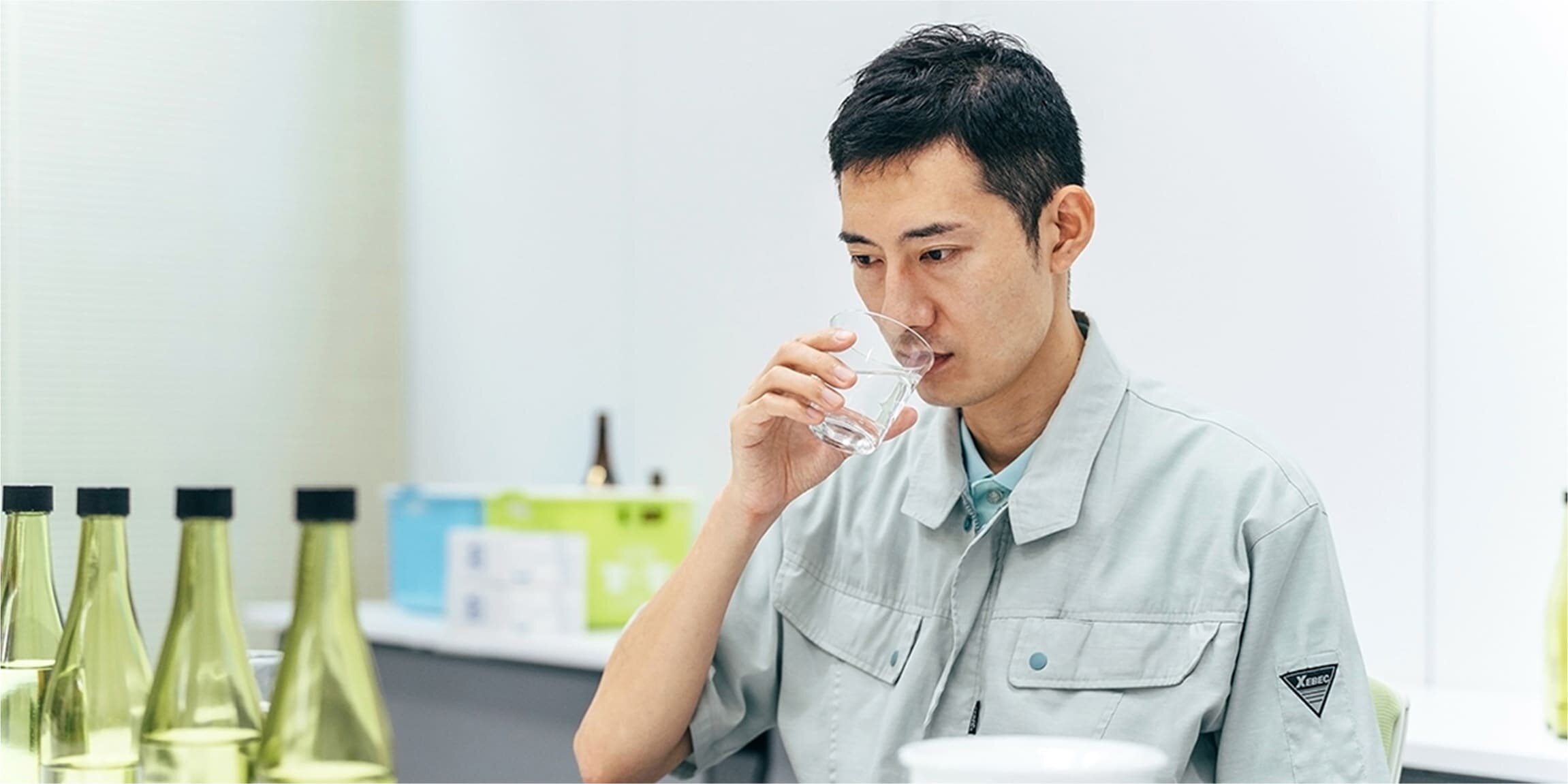
The SQ Check consists of two types of tests: an analysis (pH, conductivity) that numerically checks whether there are any foreign objects in shochu, and a sensory test that uses the five senses to evaluate the taste and aroma. These two types of tests are carried out on both the kuradashishu (shochu after the undiluted shochu has been diluted with water) and the tsumeguchishu (shochu just before being bottled). This is an important pre-shipment test, and if the shochu does not pass this test, the process of filling it into containers, known as bottling, cannot begin.
Not just anyone can perform an SQ Check; it requires sensory testing skills on a par with those of a blender. There is an in-house certification system, and only employees who have undergone training and passed a test are recognized for the role. Managing one's physical condition is also an important part of the job, as it affects the sensory evaluation. Apparently, it is also essential to take measures such as avoiding stimulants such as coffee and spices during daily work.
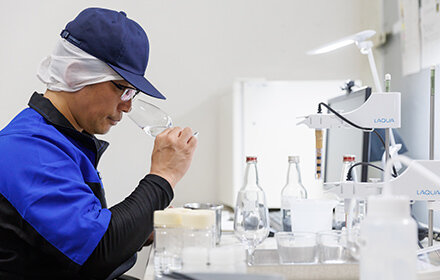
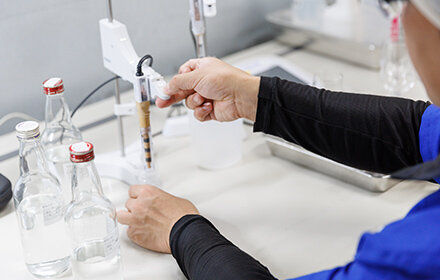
"This is purely personal, but while conducting sensory evaluations, I noticed my sensitivity is particularly sharp in the mornings. Since then, I've made sure to eat the same lunch every day at work: unseasoned chicken breast, boiled eggs, and a moderate amount of carbohydrates (rice). I want to keep my body consistent," Todoroki says with the stoicism of an athlete.
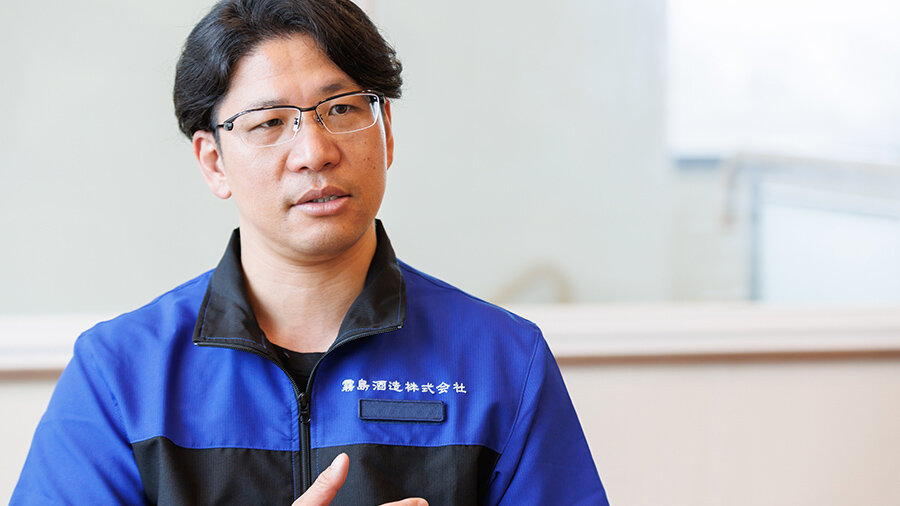
There have been instances where SQ checks prevented deviations from the flavor standard.
Because shochu is made from agricultural ingredients, there can be slight variations in taste and aroma. When the SQ Check for Aka Kirishima detected a slightly stronger burnt smell than normal, they immediately coordinated with production-related departments. By temporarily adjusting the manufacturing process, they were able to restore the flavor that customers expect. Regular training and relationship-building with related departments, which are conducted in anticipation of quality-related emergencies, proved effective.
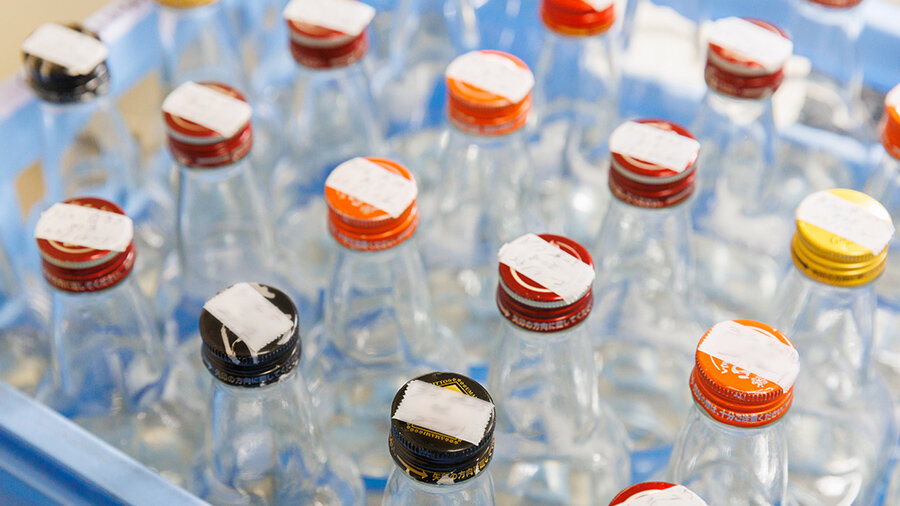
"We believe that the SQ Check is the final line of quality assurance. Our customers are waiting right at the end of our process. That's why we put our customers first and strive every day to provide high-quality products," says Todoroki.
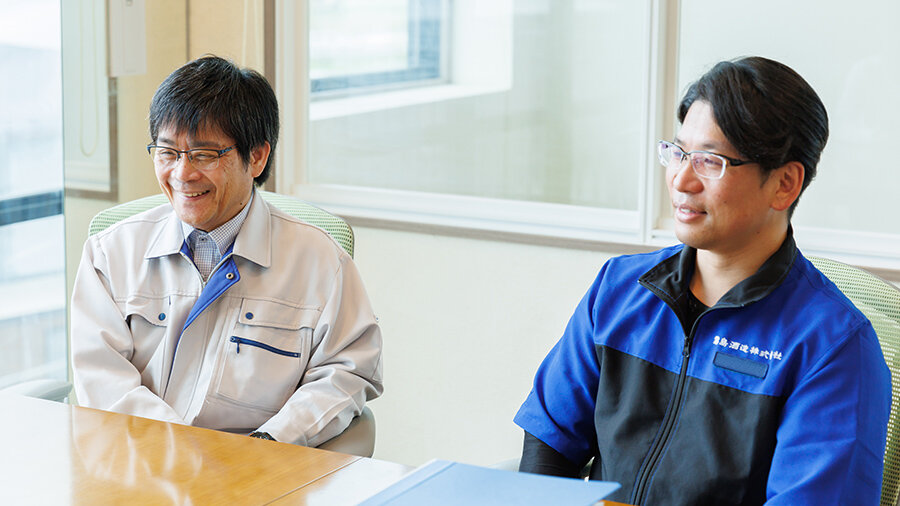
"Our previous president was particular about blending to thousandths of a point in order to create a taste that he was completely satisfied with. Since shochu is a beverage of personal preference, customers have different perceptions of what is delicious. In order to pursue a taste that transcends these individual differences, I believe there is no other way than to continue making steady efforts and conducting tests satisfy ourselves," says Okuno.
Your usual shochu tastes as good as always. Behind this simple fact are people who passionately and stoically continue to protect its deliciousness.



*Please refrain from sharing alcohol-related information with those under 20 years old.

- From hashtags
Interesting articlesSearch for