A sweet potato shochu manufacturer growing sweet potato seedlings — a closer look at the unique challenge
An unprecedented crisis strikes sweet potatoes.
Taking on the challenge side by side with farmers.
The environment surrounding sweet potato production is currently facing headwinds.
Kirishima Shuzo uses 100,000 tons of sweet potatoes per year. The cultivation area is the size of more than 600 Tokyo Domes, and they insist on sourcing all of this enormous amount of sweet potatoes exclusively from Kyushu. Takanori Nakano of the Ingredients Department, who works hard to secure raw materials, speaks with a serious expression.
"We were already facing the problem of a decline in the number of sweet potato farmers due to factors such as an aging population and a lack of successors. Then, a sweet potato disease broke out."

Sweet potato root rot is a disease that spreads through seedlings and soil, causing sweet potatoes to rot. Since 2018, registered farmers who grow sweet potatoes, the raw material for Kirishima Shuzo's shochu, have also suffered significant damage. The number of farms, which exceeded 2,000 around 2014, has dropped to 1,200.
If things continued like this, it will become impossible to deliver shochu to customers in a satisfactory manner. Drastic and urgent measures were needed.

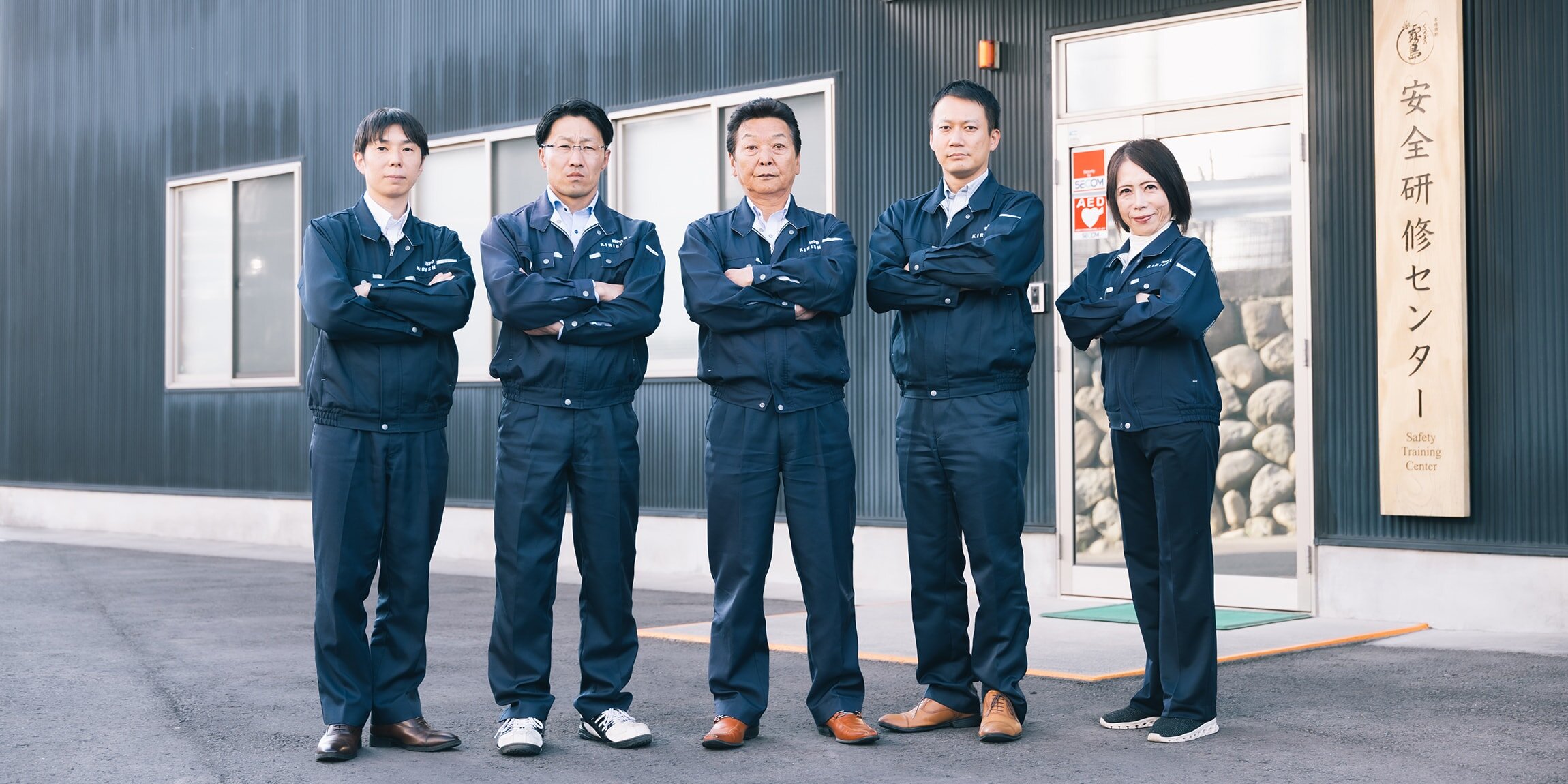
A special team was established in 2022 to support producer farmers.
While platforms for exchange already existed, such as the "Sweet Potato Conference," where people could exchange opinions with the middlemen who collect sweet potatoes from farmers and deliver them, this alone was not enough.
It was necessary to communicate more closely than ever before with producers and middlemen, build stronger relationships, and work together as a team to address the issue.
In response, various measures were implemented, including reviewing the purchase price of sweet potatoes, securing disease-free seed potatoes, introducing vapor heat treatment equipment to sterilize the seed potatoes, and spraying pesticides using drones. However, the damage did not improve easily.
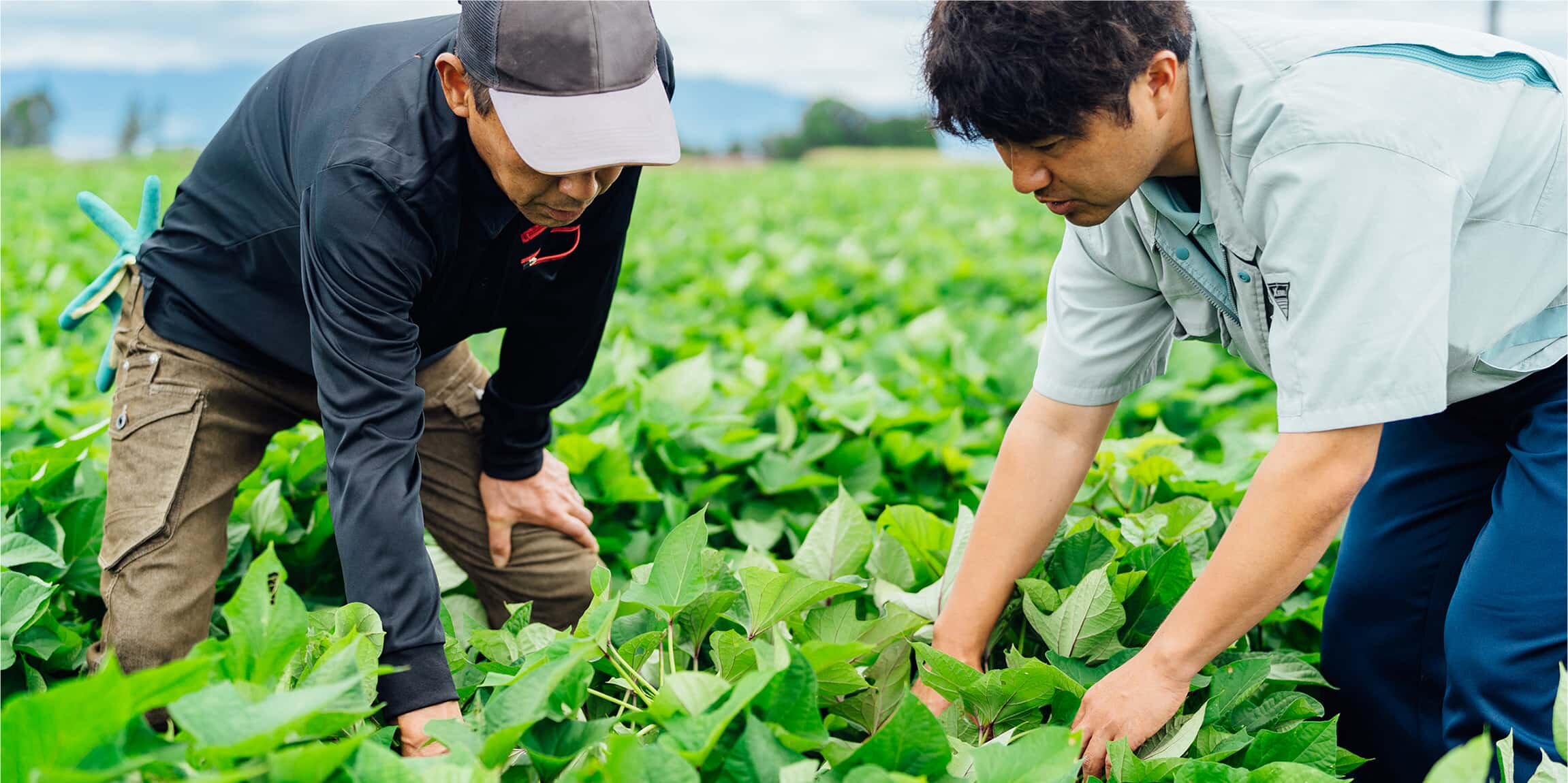
"The shortage of sweet potato seedlings was an issue even before the sweet potato root rot outbreak. What's more, the work required to secure the seedlings was physically demanding and took a toll on us," says Takahiro Takada, who has been involved in sweet potato production for nearly 30 years and is the representative of a sweet potato brokerage company.
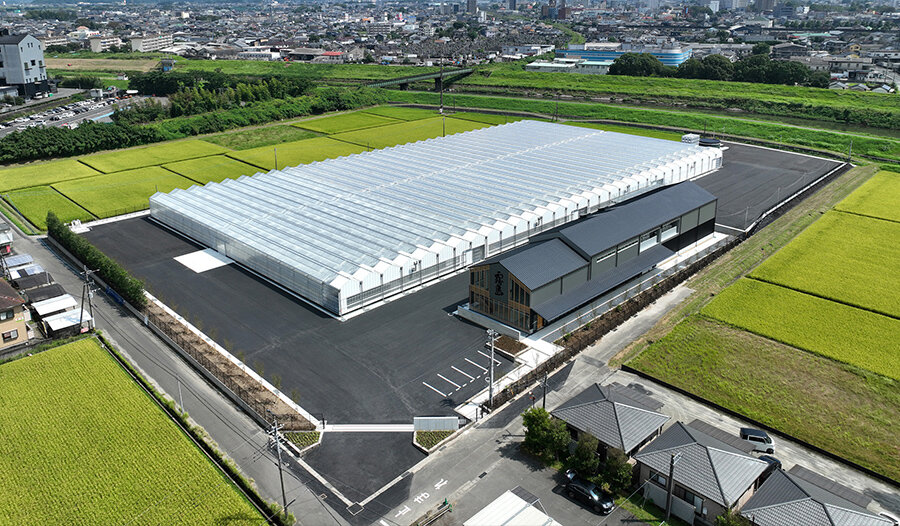
Shochu production is possible thanks to the support of farmers. To enable more proactive support, Kirishima Shuzo made a significant decision.
The project involves the construction of Kirishima Sweet Potato Plant "Imo-Terasu" dedicated to supplying healthy seedlings.
Shochu manufacturer grows seedlings. This challenge, literally a completely different field, involved countless hardships. With no know-how, they first had to learn how to grow seedlings from scratch.
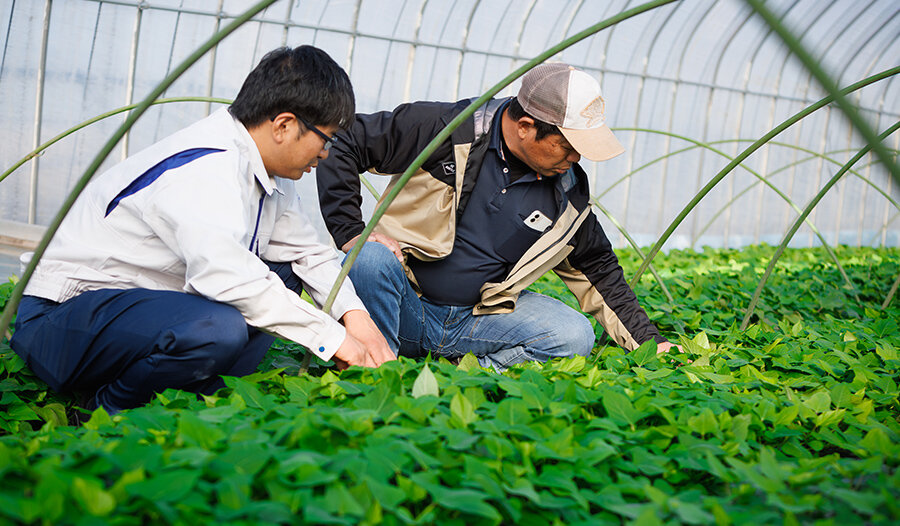
Takada's farm had already put into practice a method of multiplying seedlings from sweet potatoes known as seed potatoes. Nakano actually visited the farm and learned the technique while receiving advice.
However, once they started cultivation, things didn't go as planned. When nearly 2,000 seedlings failed to root properly due to the intense heat and withered away, Nakano was deeply disheartened.
"I felt really depressed when I had to throw away the damaged seedlings. But at the same time, I got to experience firsthand the feelings that farmers have every day as they work."
Even though the greenhouses are managed with the latest equipment, careful management is required depending on the temperature and humidity on a given day. Takada gave him lots of advice based on his many years of experience.
I told him, "Efficiency is important, but you also have to put in the detailed effort. This is something every farmer does."
After many difficult days, the supply of seedlings produced by Imo-Terasu finally began in October 2023.
In the first year, the company plans to supply approximately 2.5 million cut seedlings, which are expected to produce a harvest of approximately 2,500 to 3,000 tons of sweet potatoes in the fall.
Although this amount only accounts for 3% of all the sweet potatoes used by Kirishima Shuzo, it undoubtedly represents significant hope for both the company and the farming community.
We asked Takada what he expects from Imo-Terasu in the future as a sweet potato farmer.
"Even if the disease subsides, problems such as an aging population and labor shortages remain. I'd be happy to see progress in research and development, like machines to boost production efficiency or new varieties that make work easier."
Nakano nodded in agreement.
"You cannot make shochu without the ingredients. This is a phrase that has been said for a long time at Kirishima Shuzo, but I feel it firsthand. I would like to continue to work sincerely on sweet potato production together with the farmers."
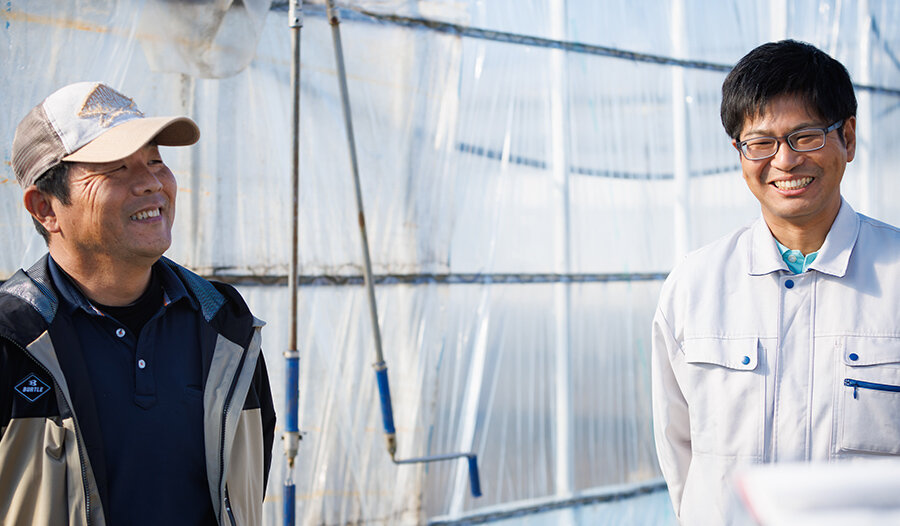
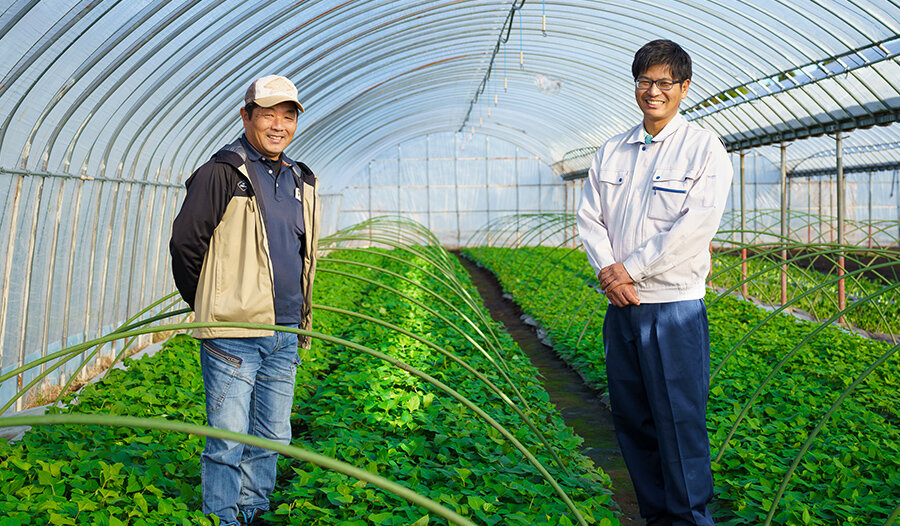
Farmers with years of experience and production techniques. A shochu manufacturer with large-scale facilities and cutting-edge research equipment.
Both parties have joined forces based on the trust they have built up over the years, and are generously contributing their respective technologies towards a common goal.
"Imo-Terasu," inspired by the sun goddess Amaterasu Omikami. Its existence, connecting the bonds with farmers, will surely illuminate the future of sweet potatoes.



*Please refrain from sharing alcohol-related information with those under 20 years old.

- From hashtags
Interesting articlesSearch for