People have been passionate about sweet potatoes across the ages.
What is the charm of sweet potatoes?
Unraveling the history of Japanese sweet potatoes from Kawagoe City.
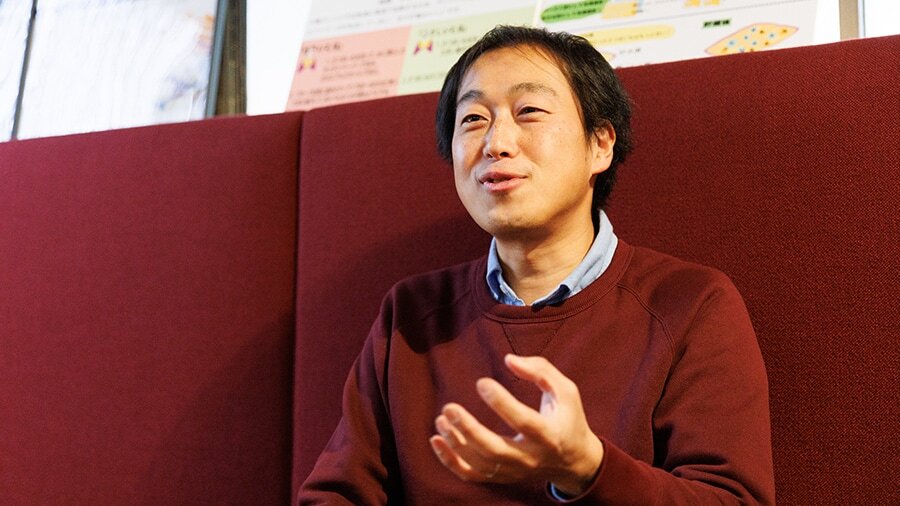
"I call myself the biggest sweet potato nerd in Japan. Ask me anything about sweet potatoes."
These are the words of Ayuki Hashimoto, President of Sweet Potato Company Inc., who regularly disseminates information about sweet potatoes through various media outlets and lectures.
Sweet potatoes are an essential ingredient in Kirishima Shuzo's shochu production. We spoke to Mr. Hashimoto about the history of sweet potatoes, starting from Kawagoe City, Saitama Prefecture, which is a place essential to discussing the roots of sweet potatoes in Japan.
"Better than chestnuts (nine ri), sweeter by four ri—thirteen ri."* (*An Edo-period pun, where "nine ri" sounds like the word for chestnut.)
During the Edo period, sweet potatoes swept through the city of Edo in a great boom, along with this catchy phrase. At the time, sweet foods that were affordable for the common people were rare. Kawagoe was located 13 ri (1 ri=about 4 km) away from Edo, the center of consumption, but because it was connected to the city by a river, the heavy and bulky sweet potatoes could be transported by boat, and it became established as a production area.
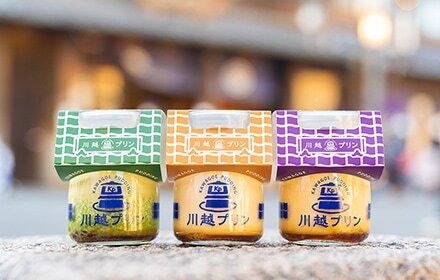
"Kawagoe has a sweets culture. Sweet potato crackers and sweet potato natto are unique to Kawagoe, where sweet potatoes are very familiar," says Mr. Hashimoto. The Beniaka variety of sweet potato that has been cultivated in Kawagoe has a light flavor, and confectionery making flourished by capitalizing on this characteristic.
The sweets culture evolved with the times, and today Kawagoe thrives as a tourist destination. It's said that the now nationwide tourist activity of sweet potato digging actually began in Kawagoe. The declaration of October 13th as Sweet Potato Day was made by the Kawagoe Sweet Potato Friends Association based in Kawagoe.

While the Kanto region, including Kawagoe, has a widespread culture of sweet potatoes as desserts, Kyushu primarily produces them for primary processing like shochu. One theory links this to Kyushu's shirasu plateau being unsuitable for rice cultivation.
Sake production is quite challenging. However, there is a constant demand for alcohol as a daily comfort. As a result, the culture of shochu made from easily available sweet potatoes, has taken root.
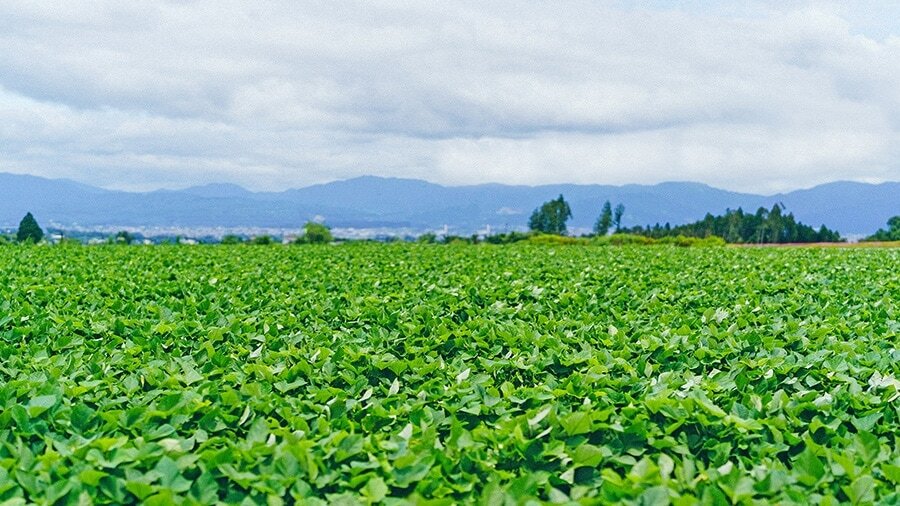
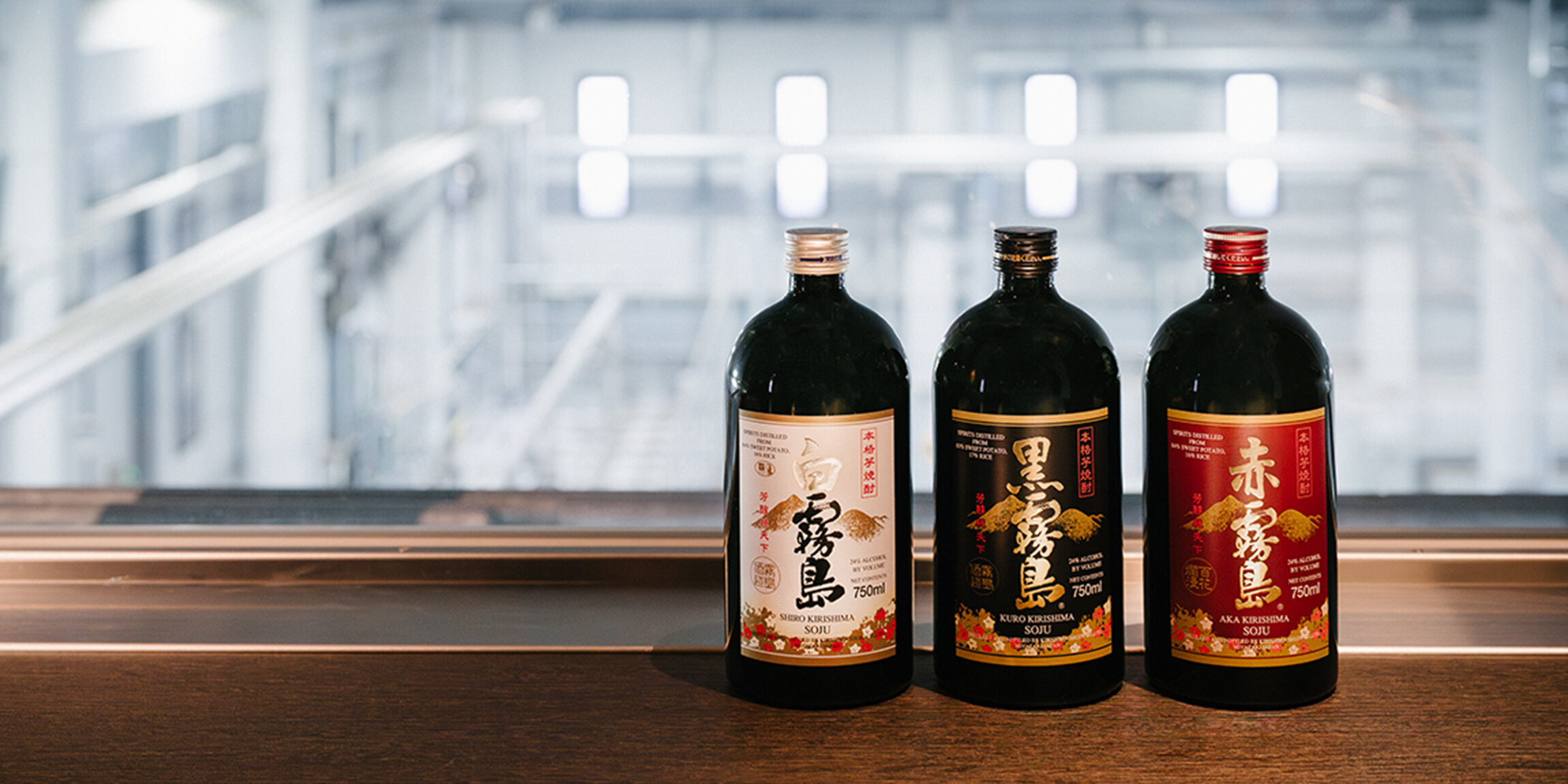
Kirishima Shuzo uses approximately 100,000 tons of sweet potatoes annually. This represents a significant proportion of Japan's total sweet potato harvest. Mr. Hashimoto speaks about sweet potato shochu:
"Kyushu's sweet potato shochu culture continues to support the demand for sweet potatoes. I think that's very valuable. What's more, some of the sweet potatoes used for shochu are surprisingly delicious to eat as well. I feel like it would be a waste to just use them for shochu, as they have so much potential."
Mr. Hashimoto's interest in sweet potatoes first began when he visited the Osaka Flower Expo in 1990 as a junior high school student. "At the time, topics like environmental destruction, desertification, and food crises were being discussed. So I started reading books and learned that in Japan, people had historically relied on sweet potatoes to sustain life during the Edo period and wartime. I thought, 'What an amazing food!'"
To the eyes of the junior high student Hashimoto, sweet potatoes shone brightly.
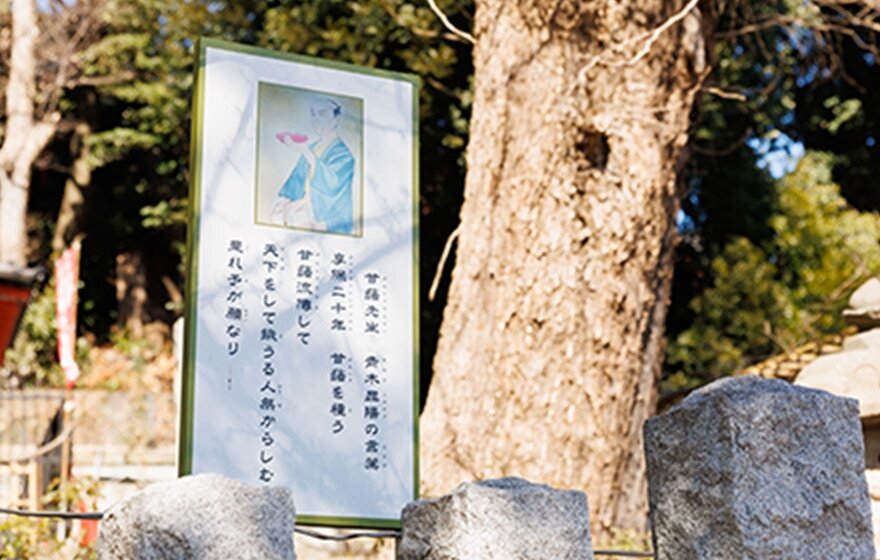
Even in the Edo period, there was a man who, like Mr. Hashimoto, became fascinated with sweet potatoes.
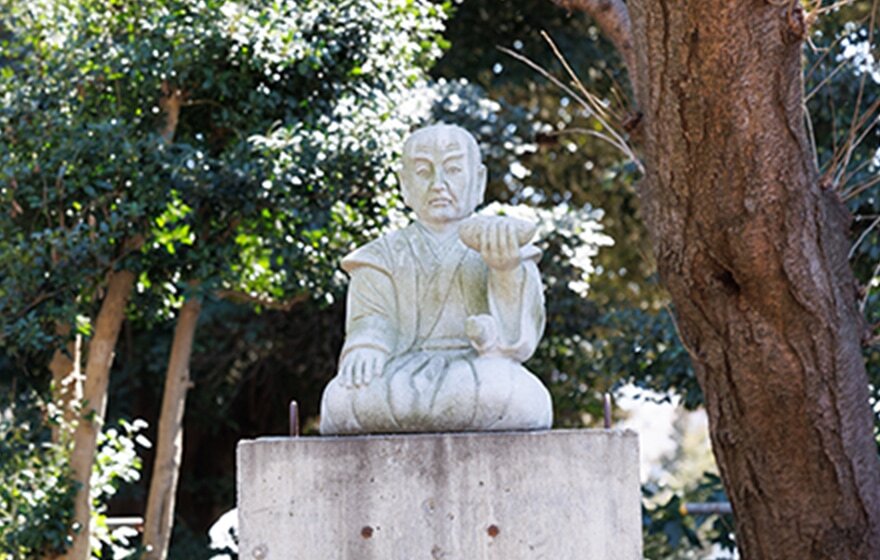
It was Konyo Aoki, a Dutch-learning scholar also known as the "Sweet Potato Professor." Believing that sweet potatoes—highly nutritious and easy to cultivate—would be an essential crop during times of famine, he had long been conducting research on their cultivation. When the Great Kyoho Famine struck, Shogun Tokugawa Yoshimune also took notice of Aoki's efforts to promote sweet potato cultivation. This became the catalyst for spreading sweet potatoes throughout Japan, and the crop would go on to help sustain the population through many subsequent famines.
"Just as Konyo Aoki popularized sweet potatoes in Japan, I have always wanted to spread them to countries with food problems. It would be interesting if one day there was a record of a Japanese person spreading the sweet potato in some country," says Mr. Hashimoto.

Sweet potatoes have traveled all the way to Japan, passing through the hands of many different people and crossing the ocean. In Pacific island nations, they are considered a sacred crop, while in some areas, they are valued as a staple food.
What was the value that allowed it to spread worldwide? Kirishima Shuzo launched its Roots Project in 2009 to explore the academic background of sweet potatoes. Yet, many mysteries surround their true origins, and the desire to learn more about sweet potatoes only grows.
Like Konyo Aoki and Mr. Hashimoto, Kirishima Shuzo is one of the companies that has long been fascinated by sweet potatoes. Sweet potatoes possess a charm powerful enough to connect people across the ages.



*Please refrain from sharing alcohol-related information with those under 20 years old.

- From hashtags
Interesting articlesSearch for