A purple sweet potato developed to help shochu become more widely loved
Exploring the birth of Aka Kirishima
from the perspective of sweet potato breeding
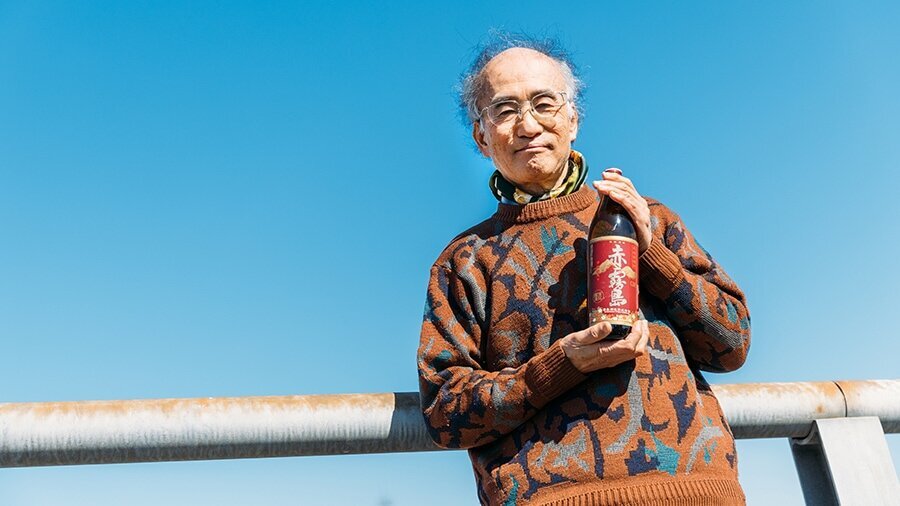
"Aka Kirishima is truly amazing. I wondered if it was really shochu. I was convinced that this would work," recalls Dr. Osamu Yamakawa, a leading authority in sweet potato research, including the development of Murasaki Masari—the raw sweet potato for Aka Kirishima. Speaking about that first encounter, he still struggles to contain his excitement at the memory of the impact it made.
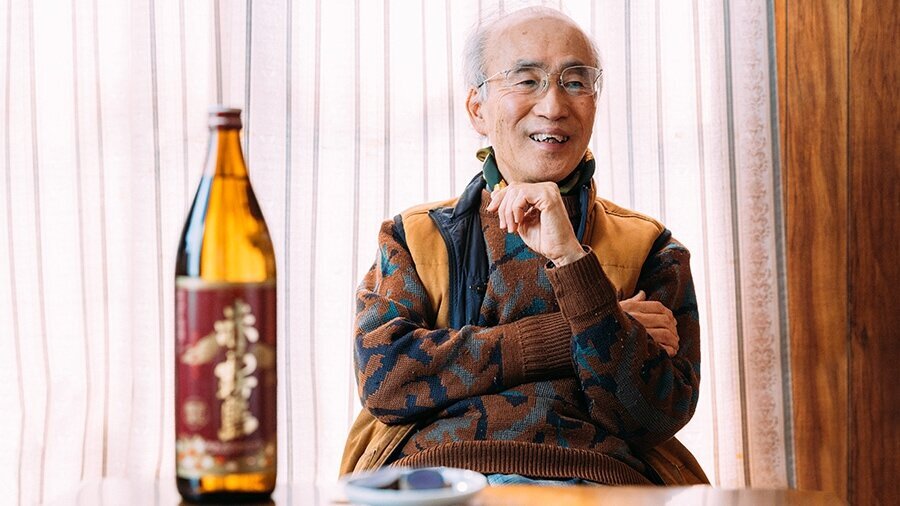
Dr. Yamakawa's encounter with Kirishima Shuzo dates back to around 1972. Dr. Yamakawa was conducting research on sweet potatoes in Miyakonojo City, Miyazaki Prefecture, when he first tried Kirishima Shuzo's shochu. It had a taste without any potato smell, and was refreshing to drink. He was surprised and impressed by the new possibilities of shochu.
At the time, there was a meeting held once a year in Miyakonojo City where shochu companies would share information, and Dr. Yamakawa attended the meeting with the role of promoting the joint use of sweet potatoes with private companies. Kirishima Shuzo was also in attendance. As the discussion grew lively, Dr. Yamakawa made up his mind and said, "It's no good if you keep making shochu only with Kogane-Sengan. We must use more diverse varieties to create shochu that will be accepted beyond Kyushu." The room instantly fell silent. An atmosphere settled over the gathering, as if to say, "This researcher, who knows nothing about shochu production, is speaking out of turn."
However, this was the "candid" opinion of Dr. Yamakawa, who has built a career as a sweet potato researcher outside shochu culture sphere.
The Kogane-Sengan variety, registered in 1966, has been highly valued in shochu production in southern Kyushu. Yet, considering the future of shochu, he wanted people to look at other varieties, too. He believed they should create unprecedented flavors and expand into regions outside Kyushu where shochu isn't commonly enjoyed. That was Dr. Yamakawa's conviction.
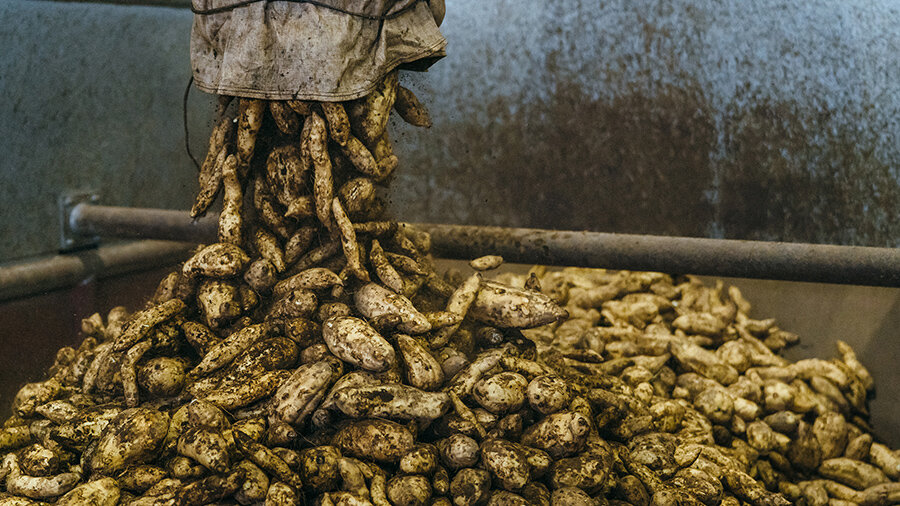
Time passed, and around 1991, Dr. Yamakawa was tasked by the government with restoring demand for sweet potato cultivation. His proposal was to develop sweet potatoes with flesh colors such as purple and orange, which could be used as a pigment, unlike the mainstream sweet potatoes that had been used up until then.
" I'm not the type to get too hung up on things. No matter how much tradition there is, if I think the future doesn't look promising, I'll drop it right away. I'm only interested in new things."
This challenge represented a major change in Kyushu, where the development of sweet potatoes for starch had long been the norm. However, the time available was short.
"Normally, breeding takes about 10 years, but they said they couldn't wait that long and wanted it done in three to five years. I realized I had to take responsibility and push forward to make it happen in time."
There was no choice but to crossbreed relentlessly. Resolved to immerse himself in this seemingly endless task, he continued the repetitive work day after day.
And finally, it appeared. Ayamurasaki, a highly fragrant variety with a vibrant purple color derived from anthocyanin pigments. Surprisingly, this Ayamurasaki was the result of crossbreeding with a variety that lacked pigments. The persistent crossbreeding had paid off.
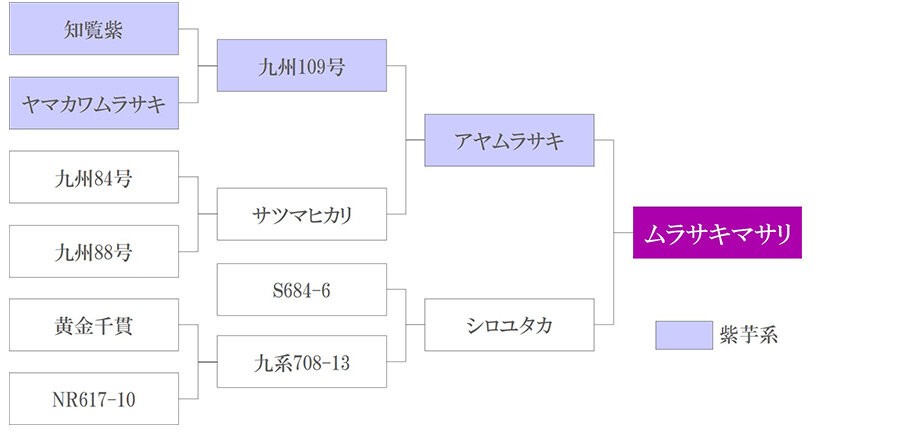
Though developed as a pigment source, demand for Ayamurasaki was minimal at the time. There was little hope of it becoming popular in the market. The only option was to change perspective.
Dr. Yamakawa teamed up with Kirishima Shuzo, which was keen to try making shochu using new varieties, and began test production using the new variety as a shochu ingredient. While Ayamurasaki was excellent for coloring, it was not suitable as a shochu ingredient. It had a bitter taste and an iron-like aroma. Its shape was also uneven, making it difficult to handle. But that didn't mean he could stop.
Dr. Yamakawa patiently continued to improve the varieties until he found one suitable for shochu production. He tried and tested again and again, conducting brewing tests every time a new variety was released. It was through this accumulation of failures that Murasaki Masari was born. As a shochu ingredient, it far surpassed Ayamurasaki.
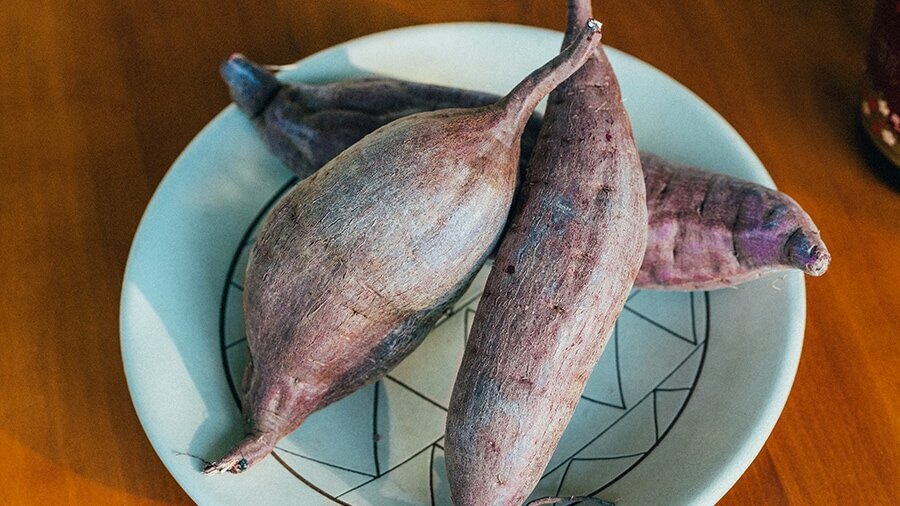
The development team at Kirishima Shuzo also persisted tenaciously for six long years, aiming for commercialization, and finally completed Aka Kirishima. It was served to Dr. Yamakawa shortly after its completion.
Even Dr. Yamakawa, who doesn't normally drink alcohol, was impressed by its excellent aroma, sweetness, and smooth mouthfeel.
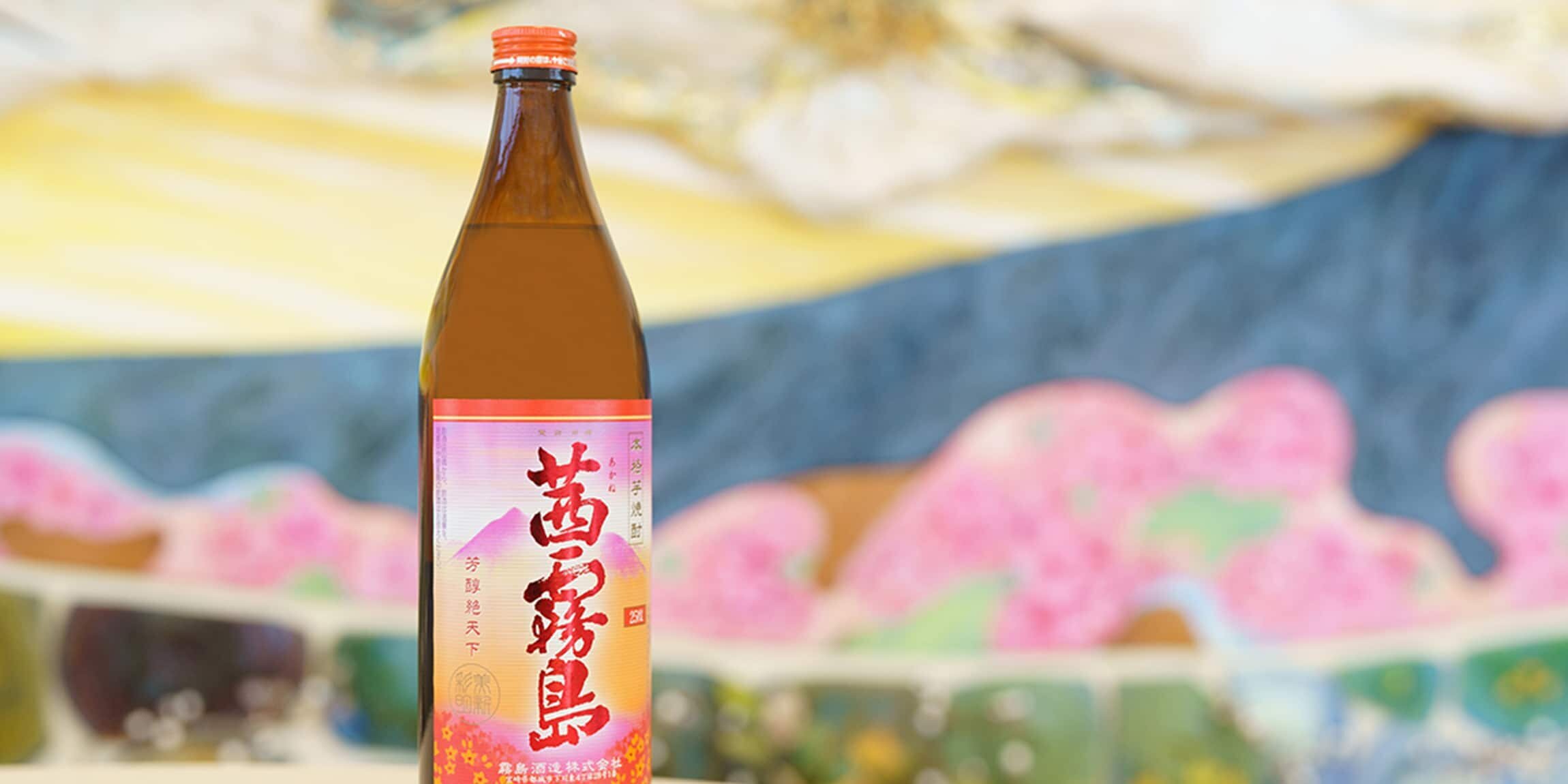
Aka Kirishima has now become a product loved by a wide range of customers for its flavor, which is exactly what Dr. Yamakawa said they should aim for at that meeting.
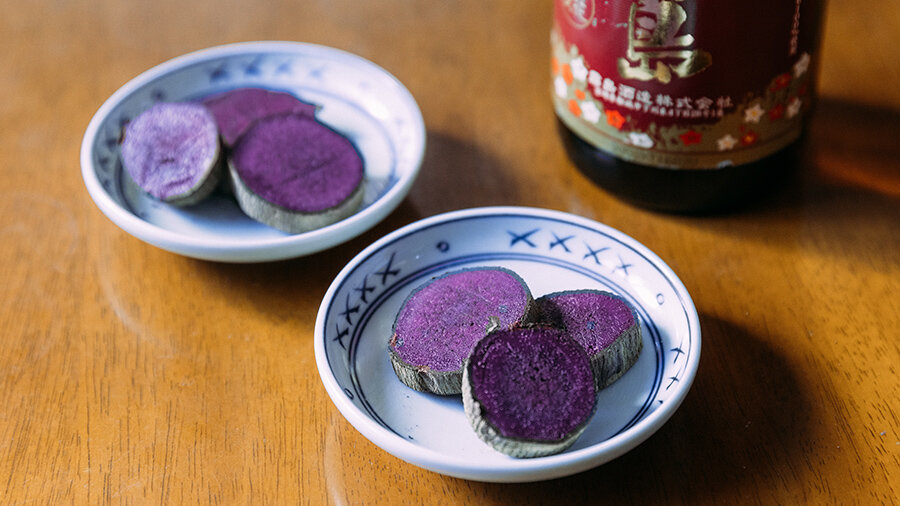
Murasaki Masari is the fruit of Dr. Yamakawa's long and arduous research. When asked why he decided to entrust such an important variety to Kirishima Shuzo, he replied:
"In the end, it all comes down to sincerity. The employees at Kirishima Shuzo were the only ones who persistently continued to consult with me. They always gave me feedback on the varieties I entrusted to them, so I knew I could trust these people."
The nostalgic look on his face as he spoke conveyed the trust that the two had built up.
"There are no treasures on paths already walked," says Dr. Yamakawa. What brought the treasure of Aka Kirishima to Kirishima Shuzo was probably Dr. Yamakawa's own stance—gazing toward a future no one had ever walked before.





*Please refrain from sharing alcohol-related information with those under 20 years old.

- From hashtags
Interesting articlesSearch for