Each serving holds a story. The "water of life" the world craved.
Tracing the history of distilled spirits born around the world,
igniting people's passion.
In French it is called "eau de vie," and in Latin, "aqua vitae."
These words mean "water of life."
They refer to distilled spirits, once believed to have the magical power to prolong life.
Today, distilled spirits such as brandy, whiskey, gin, tequila, and even shochu in Japan have taken root in various regions of the world and have shaped local cultures.
The history of distilled spirits dates back to before the Common Era.
"Distilling seawater yields a drinkable liquid."
"Wine and other beverages could likely be distilled using the same method."
These are the words left behind by Aristotle.
In ancient Greece, when fermented alcoholic beverages like wine already existed, records were left behind that suggest the prototype of brandy.
Around the 12th century, as alchemists pursued their dreams, distilled spirits were created—whether by chance or necessity—as the “water of life” and came to be called medicine.
Having found a place among people, distilled spirits eventually spread throughout the world through various routes.
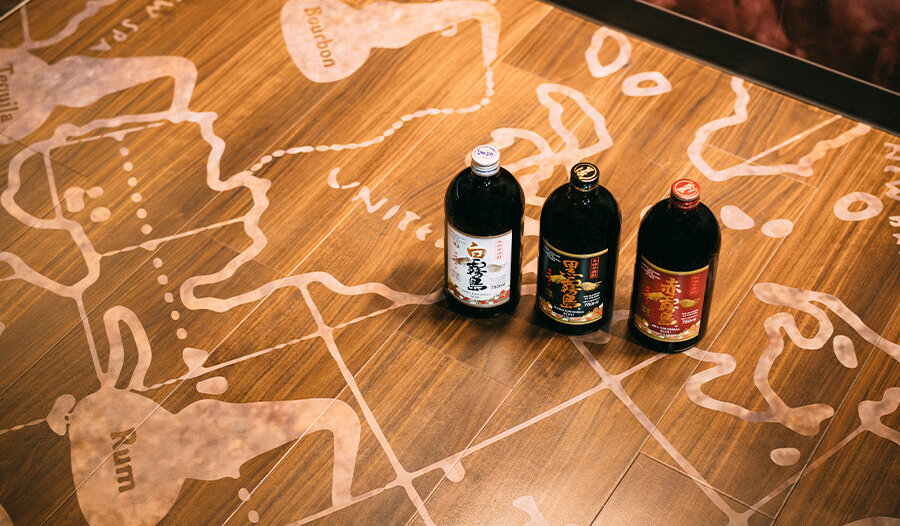
Now, the interesting thing about distilled spirits is that there are actually many different types, each with its own completely different characteristics.
"A cup of coffee inspires, a glass of brandy relieves sorrow."
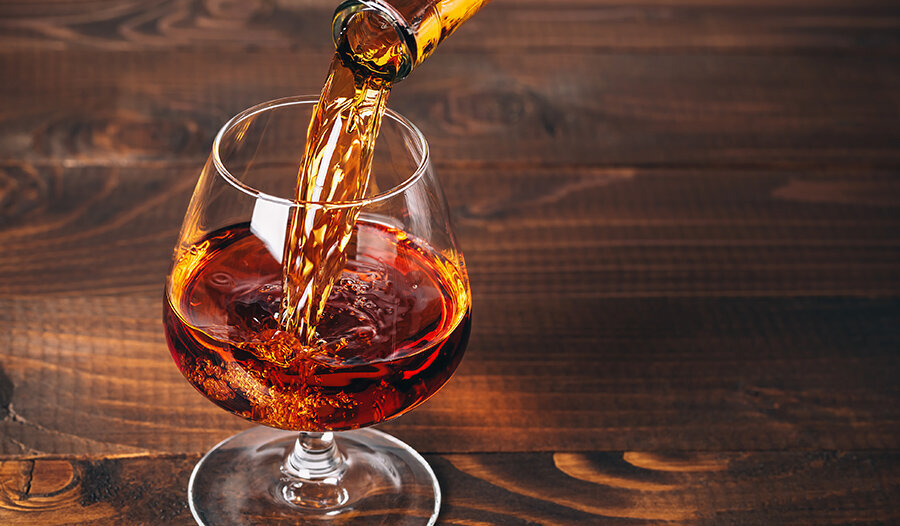
Brandy, known for Beethoven's famous quote, is a distilled fruit drink primarily produced in France. French wine exported by the Dutch often soured during the long voyage. Out of necessity, they distilled it instead, and it received unexpectedly high praise. It's believed that the name brandy was derived from the Dutch word brandewijn, meaning "burnt wine." This is an example of an accidental product finding its niche when combined with a suitable production environment and gaining demand.
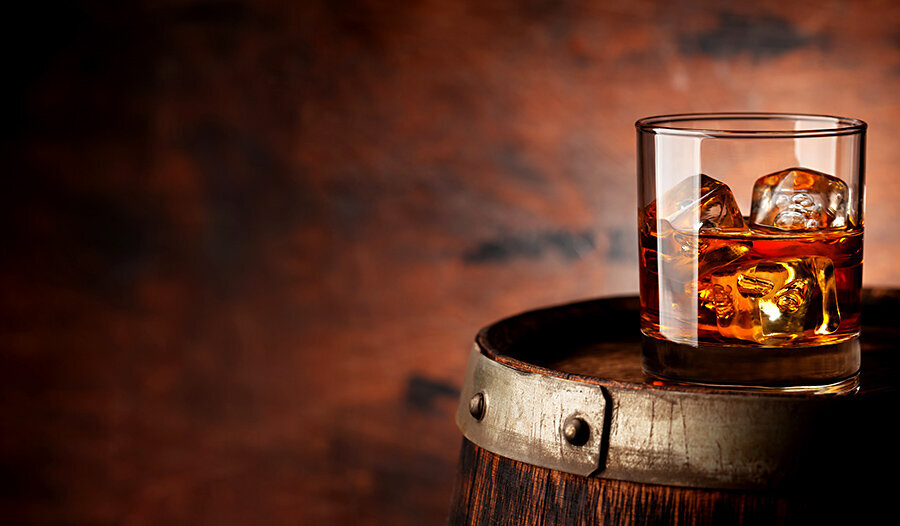
Whiskey's origins are debated, but its crucial aging process in barrels is also considered accidental. Around the 17th century, after the union with England, a Scottish whiskey distillery was unable to withstand the heavy taxes and began illicit production. Hiding whiskey in casks to avoid the government's attention resulted in the creation of a mildly aged, amber-colored whiskey.
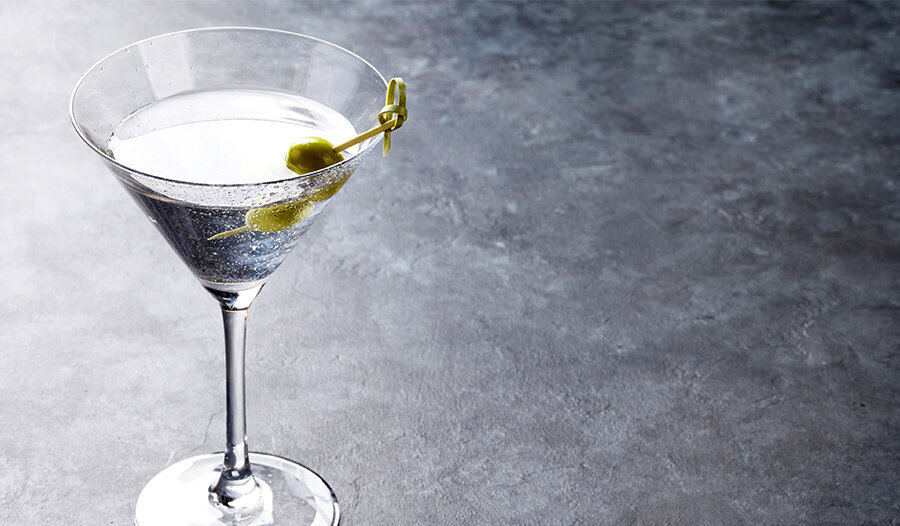
Gin is a distilled alcoholic beverage primarily produced in the UK. It was originally used as a medicinal drink by a Dutch medical professor, taking advantage of the diuretic properties of juniper berries*,but it became popular as a drink due to its smooth texture.
*Coniferous berries used to flavor gin
Mexican tequila is a drink made by fermenting and distilling the juice of the agave plant. Only spirits made in the Tequila region of Jalisco are allowed to be called tequila, and it has earned a place as one of the world's four major spirits*.
In any case, it seems humanity is inextricably bound to distilled spirits, the "water of life."
*Refers to gin, tequila, vodka, and rum.
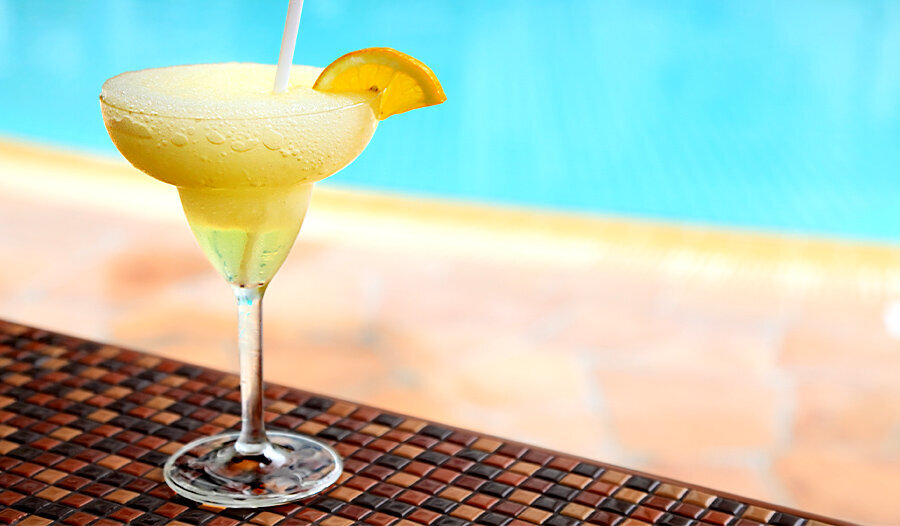
What about Japan?
Distilling culture was introduced to Japan around the 13th or 14th century. While it is unclear how it was introduced, awamori, introduced to the Ryukyu Kingdom, is considered Japan's oldest distilled spirit. Distillation techniques were then introduced to Kyushu, and through the encounter with various ingredients such as sweet potatoes, barley, and rice, shochu was born.
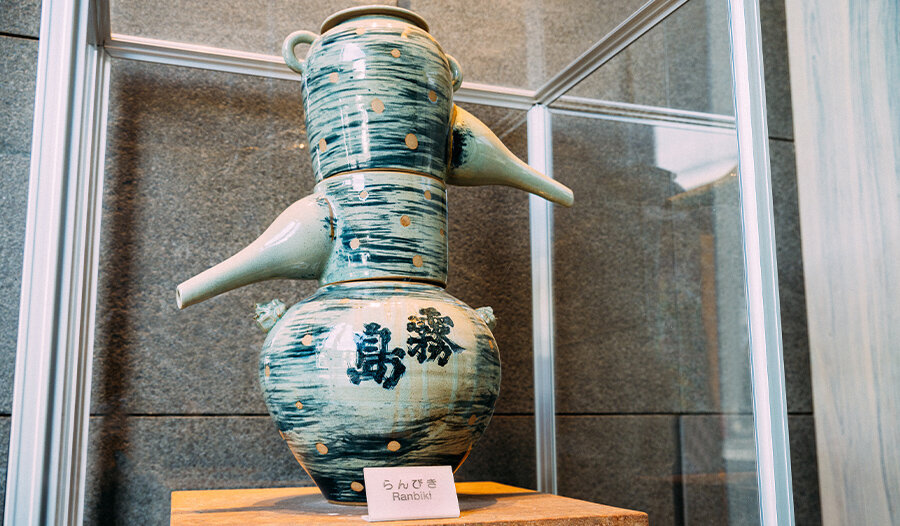
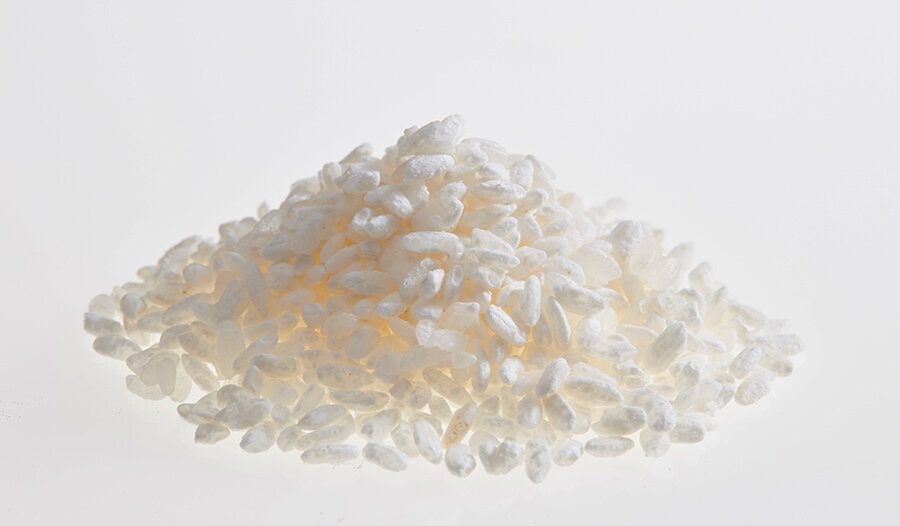
Compared to the distilled spirits of the world mentioned above, a major feature of Japanese distilled spirits is the use of koji. When distillation techniques were first introduced to Japan, shochu was made using the yellow koji used in sake. However, in the warm climate of Kyushu, the mash (moromi) was particularly prone to spoilage. To suppress the growth of unwanted bacteria, black koji, which produces citric acid, was adopted. Furthermore, the discovery of white koji made it easier to handle during production and broadened the range of flavors. Japanese shochu has thus evolved uniquely alongside koji mold.
It is also uniquely Japanese that, during this process, shochu gained its status as a drink consumed during meals, rather than before or after. In regions where it is difficult to produce sake, it is easy to imagine the desire of the people who sought to make delicious shochu by making full use of distillation techniques and local ingredients.
Distilled spirits have traveled around the world with the flow of people who crave for the moisture of life. As you raise your glass, pondering the roots of shochu born along this journey, you might find it quite an enjoyable experience.




*Please refrain from sharing alcohol-related information with those under 20 years old.

- From hashtags
Interesting articlesSearch for