


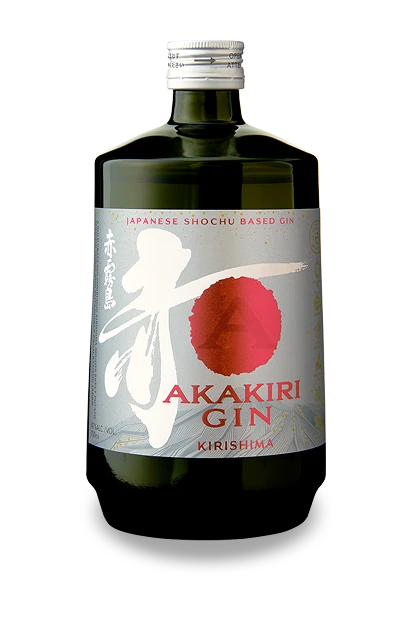






A gin is born where "Aka Kirishima," a sweet potato shochu that carries on a century of craftsmanship, resonates with botanicals from across Kyushu.
A warm climate. Rich bounty nurtured by the land.
And pure water that flows through this land. All come together as one.




A fruity, smooth mouthfeel contrasts with the pleasant, edgy notes of the botanicals.
The distinctive character of each ingredient unfolds in layers, creating a delightful chain of flavors that captures the heart.
Discover a new delight with your every sip.

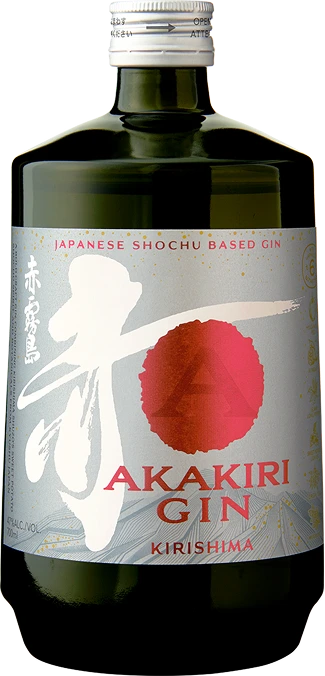
AKAKIRI GIN
Alcohol content : 47%
/Volume : 700ml
*AKAKIRI GIN is a product exclusively for overseas markets.

About AKAKIRI
The base spirit of AKAKIRI GIN is “AKAKIRISHIMA,” a sweet potato shochu made from the purple sweet potato “Murasaki-Masari.”
Characterized by a lingering sweetness and a noble aroma, it is affectionately known by the nickname “AKAKIRI.”
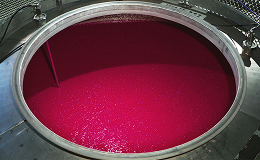
The name "Aka Kirishima" ("aka" means "red") comes from the vivid red color of the mash made from the purple sweet potato "Murasaki-Masari."
Botanicals
Distinctive Botanicals
from Kyushu
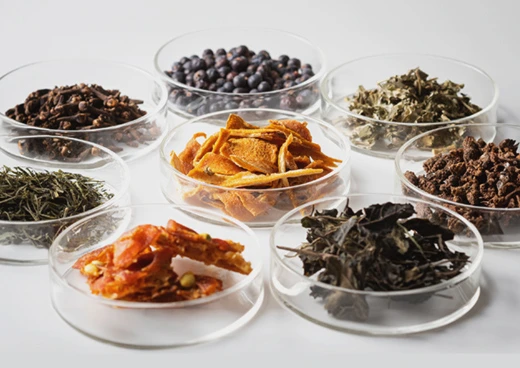
AKAKIRI GIN features six distinctive botanicals nurtured in the warm climate of the Kyushu region, in addition to juniper berries and cloves, which are also used as spices.

 Hyuganatsu

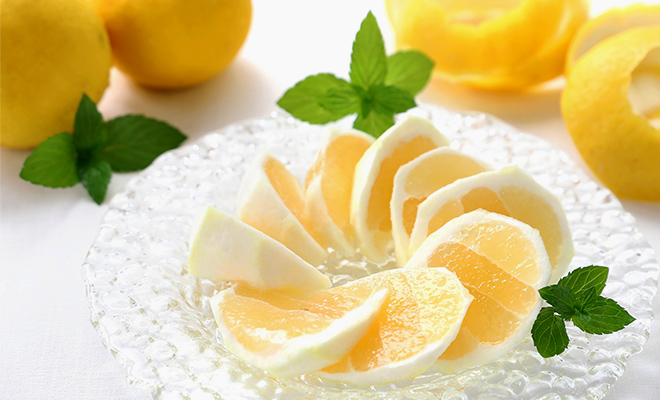
A citrus fruit that originated in warm Miyazaki Prefecture. Together with kumquat, it creates a refreshing yet rich citrus aroma.
“Hyuga” comes from “Hyuga Province,” the former name for the area around present-day Miyazaki Prefecture in southern Kyushu. It can be eaten together with its soft, fluffy white pith.
 Kumquat

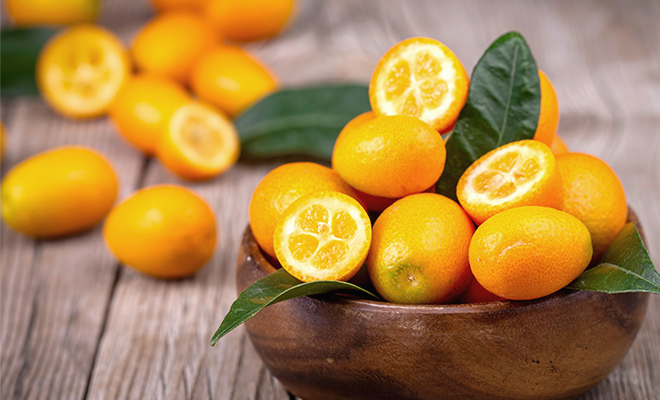
A small citrus fruit for which Miyazaki Prefecture has the highest production volumin Japan.* It lends a subtly sweet citrus aroma.
Around 3 cm in diameter, it can be eaten whole, including the peel. Since its name in Japanese (Kinkan) is pronounced the same as “golden crown,” it symbolizes wealth as a pun. It is sometimes prepared as “kanro-ni”, a sweet simmered preserve, and enjoyed as an auspicious New Year’s food.
*Ministry of Agriculture, Forestry and Fisheries of Japan, 2022.
 Long pepper

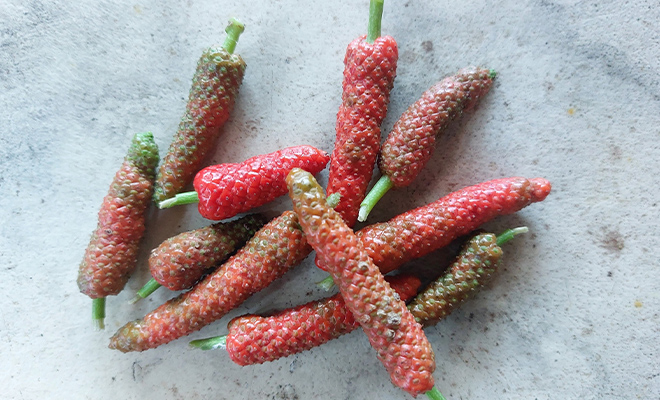
A variety of island pepper native to the Yaeyama Islands, the westernmost part of Okinawa Prefecture. Its flavor, which combines a sweet, cinnamon-like aroma with a spicy kick, makes a strong impression.
In the Yaeyama Islands, it is commonly used as a powdered seasoning and is so beloved that it is traditionally served alongside the local specialty, “Yaeyama Soba.”
 Sweet potato leaf

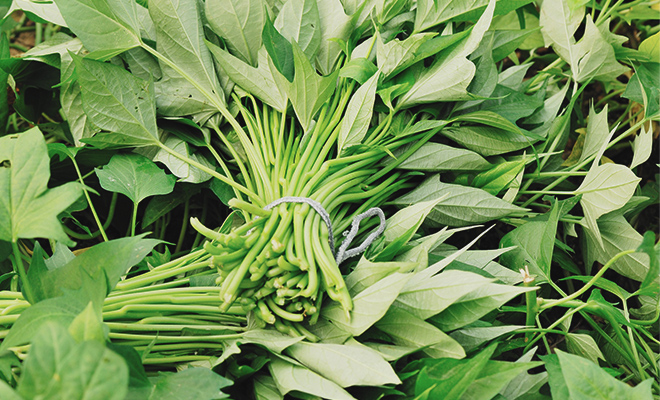
Sweet potato leaves from Miyazaki Prefecture. The sweet aroma, reminiscent of steamed sweet potatoes, adds depth to the flavor.
The name “Satsuma-imo” (“sweet potato” in Japanese) comes from “Satsuma”, the former name of what is now western Kagoshima Prefecture, through which the crop spread across Kyushu before becoming popular throughout Japan. Southern Kyushu is renowned for its production of sweet potato shochu.
 Green tea

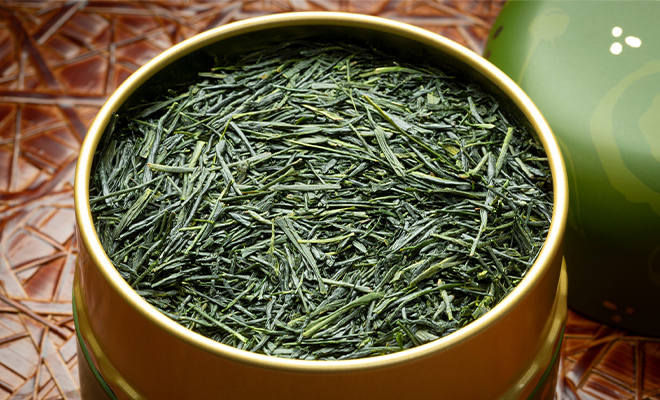
Features tea leaves from “Yame-cha,” a premium tea brand produced in Fukuoka Prefecture. The subtle sweetness within the rich aroma of green tea gives a Japanese feel while harmonizing with AKAKIRISHIMA.
The Yame region experiences significant temperature differences between day and night and is often shrouded in mist. These ideal growing conditions produce tea with exceptional richness and deep umami.
 Mugwort

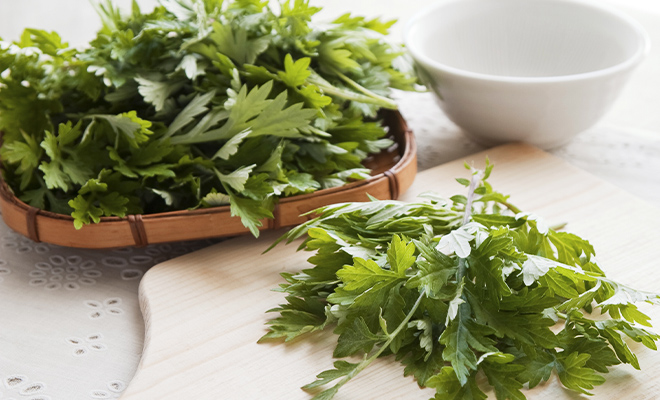
Okinawan mugwort has minimal bitterness. Its elegant, aromatic character joins sweet potato leaves and green tea to create a complex flavor.
Often called the “Queen of Herbs,” mugwort has long been prized as both a medicinal and culinary herb. It is commonly mixed into Japanese rice cakes and dumplings.
 Rekka-sui


The Kirishima mountains stretch across southern Kyushu, a volcanic region of Japan. Rain that falls in this warm, humid area is naturally purified over many years as it passes through volcanic ash soil, eventually being stored in fissures in the bedrock around 100 meters underground. We call this soft water, with its balanced mineral content and smooth taste, “Kirishima Rekka-sui.”
It is the source of excellence that supports the flavor of every honkaku shochu produced by Kirishima Shuzo.
Manufacturing method
Meticulous Crafting Process
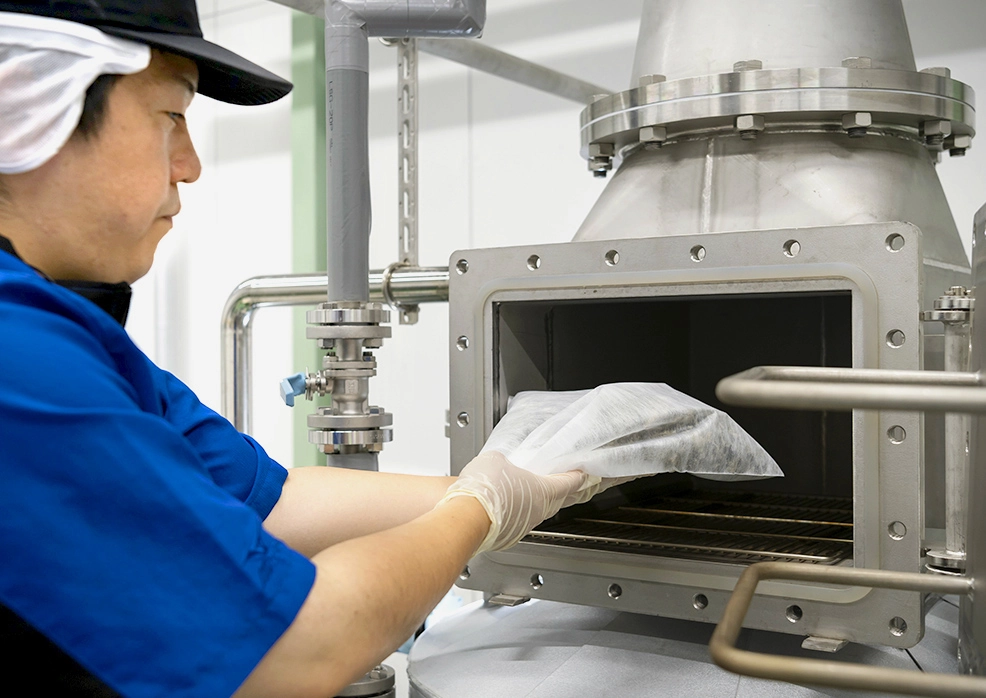
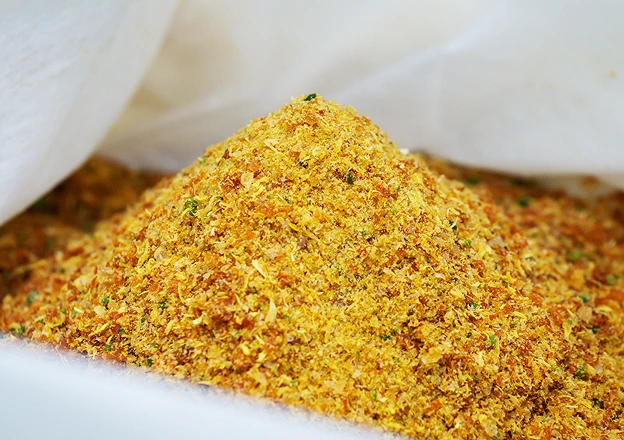
AKAKIRI GIN is crafted using a combination of two techniques: the “maceration method,” in which botanicals are steeped into the base spirit, and the “vapor infusion method,” in which aromatic and flavor compounds are extracted by vapor during distillation.
The Genshu (undiluted shochu) of AKAKIRISHIMA, steeped with juniper berries, cloves, Hyuganatsu, kumquat, and long peppers, is distilled through a basket filled with sweet potato leaves, green tea, and mugwort. This process brings out the unique character of each botanical to its fullest.
The Story Behind the Creation
How Shochu Met Botanicals
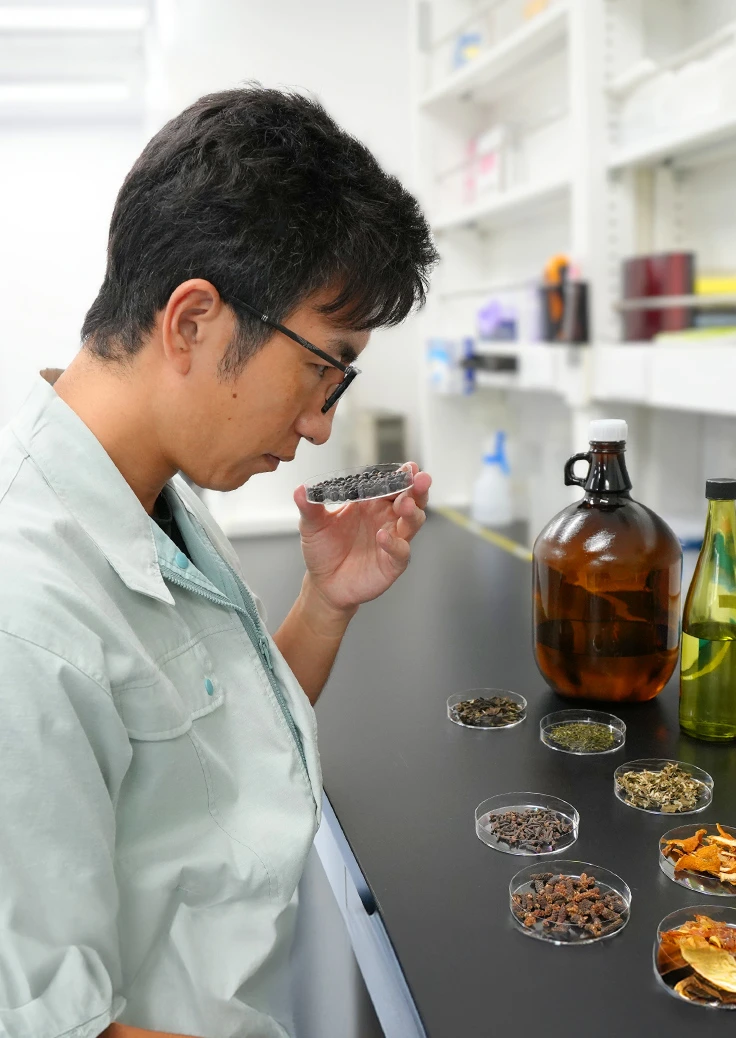
When the idea of developing Kirishima Shuzo's very first gin was proposed, I immediately volunteered to take on the project.
Our initial goal was to create a sweet potato shochu-based gin that bursts with the characteristics of Miyazaki, the home of Kirishima Shuzo. Using fruits grown in Miyazaki Prefecture together with different shochu genshu (undiluted shochu), we created sample after sample, repeatedly refining the combinations and distilling new prototypes.
Among these, an outstanding match proved to be the vacuum distilled genshu of Aka Kirishima combined with Hyuganatsu and kumquat. Mango, one of Miyazaki's signature fruits, lost its distinctive aroma during distillation. Other fruits that developed a stronger aroma through distillation also took on a different character when paired with sweet potato shochu. As we explored what felt like endless combinations, we sensed such potential in the Hyuganatsu and kumquat pairing that we were certain we absolutely had to keep it—and it was the vacuum distilled genshu of Aka Kirishima that truly brought out their fruity aromas.
From there, we eventually arrived at botanicals such as sweet potato leaves, green tea, and mugwort. It took three years before we finally created a prototype we were truly satisfied with.
It was the fateful encounter between botanicals gathered from across Kyushu and the sweet potato shochu “AKAKIRISHIMA” that gave birth to AKAKIRI GIN.
Cocktail
カクテル
Pairing
ペアリング
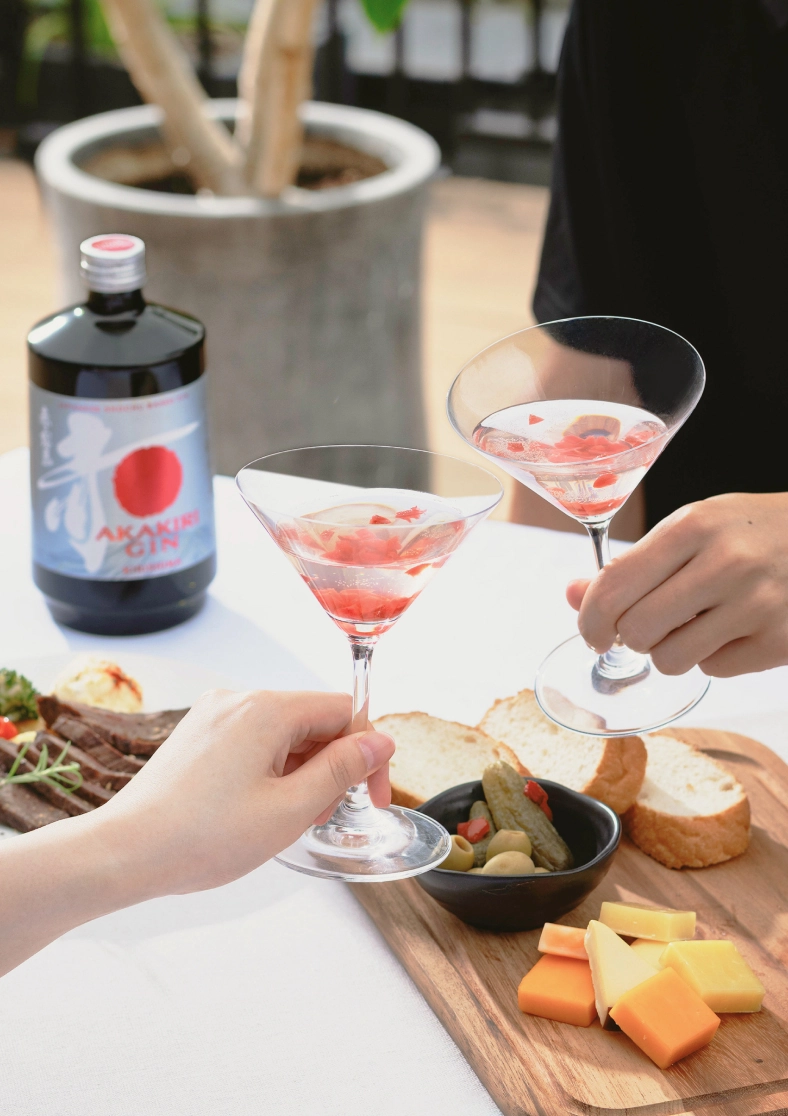
Made with shochu, a spirit long enjoyed alongside meals,
AKAKIRI GIN is an exceptional companion to food.
From Japanese to Western cuisine, it pairs beautifully with a wide variety of dishes.
-
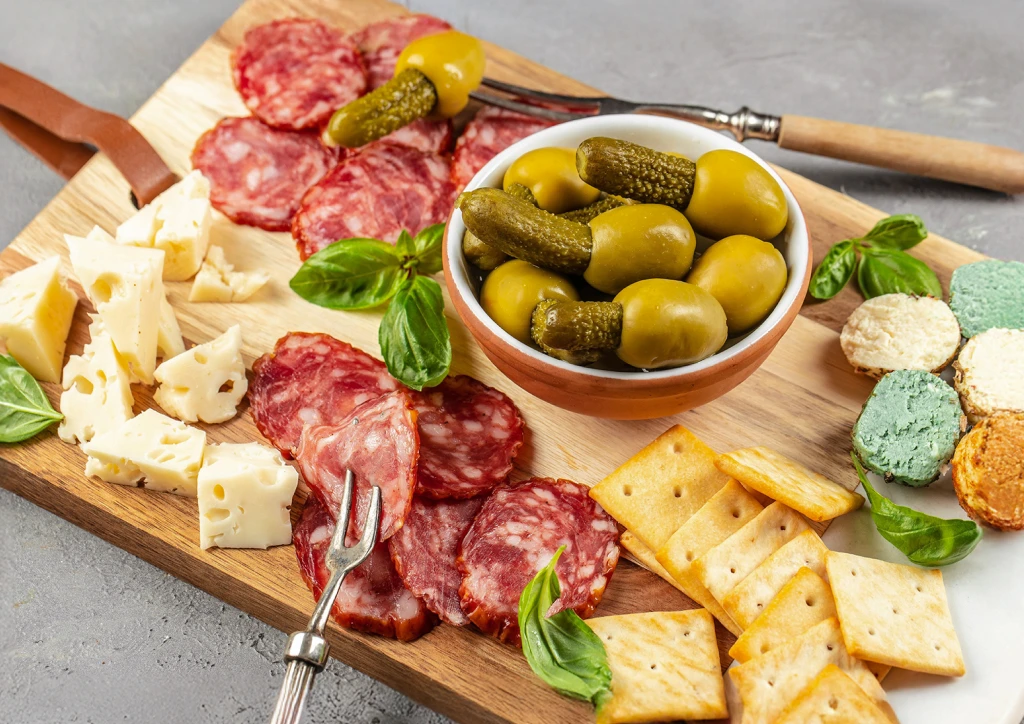
Appetizers such as salami, pickles, and dried fruits
The fruity, rich flavor of AKAKIRI GIN gently complements the saltiness and acidity of these dishes.
-
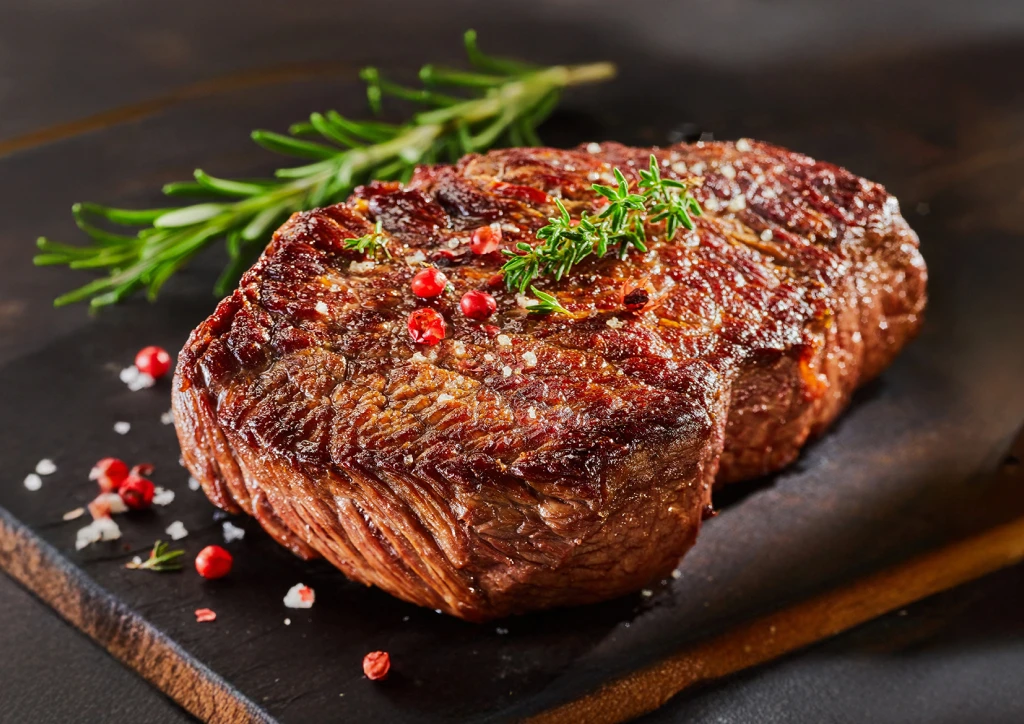
Spicy meat and seafood dishes
The herbs and pepper in these dishes harmonize exquisitely with the edgy, spicy notes of AKAKIRI GIN.
History
History
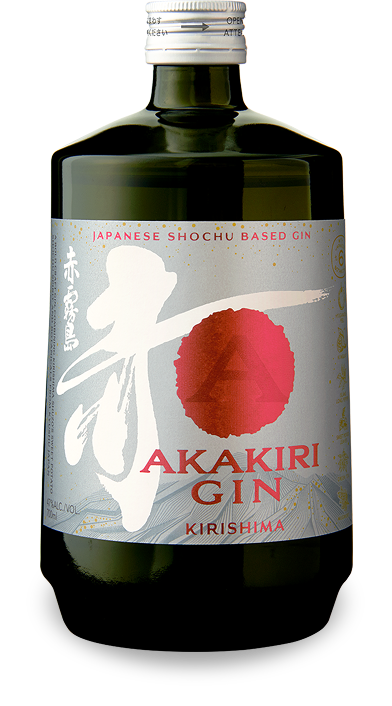

Alcohol content : 47%Volume : 700ml
*AKAKIRI GIN is a product exclusively for overseas markets.